

NASA's Artemis II Mission: A Historic Journey to the Moon with Military Support
NASA is leading the way to the Moon, but the military won't be far behind
 Ars Technica
Image: Ars Technica
NASA's Artemis II mission, launching from Kennedy Space Center in Florida, marks the first crewed flight near the Moon since 1972. The mission includes military personnel, with Navy test pilots at the controls and the Space Force ensuring public safety during the launch.
- 01Artemis II is the first crewed mission to the Moon's vicinity since 1972.
- 02The crew includes Navy test pilots Reid Wiseman and Victor Glover.
- 03The Space Force will track the launch and ensure public safety.
- 04An Air Force rescue team is on standby for emergencies.
- 05The Navy will recover the Orion spacecraft after the mission.
Advertisement
In-Article Ad
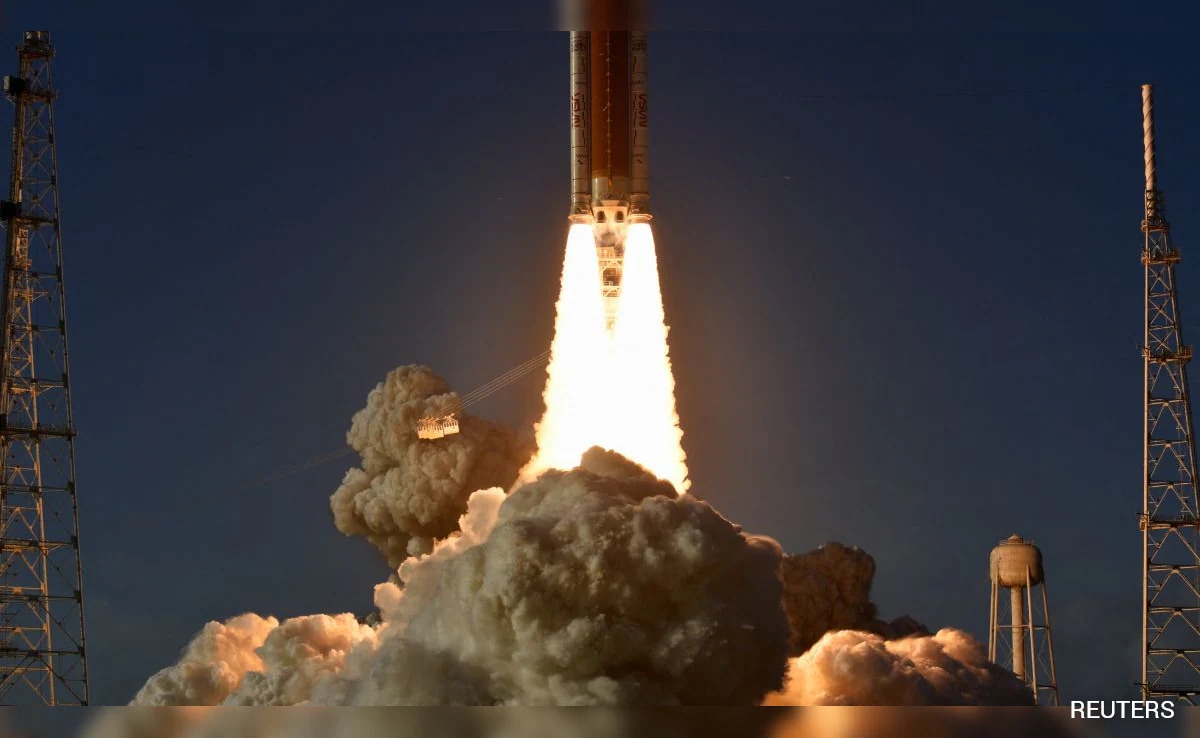
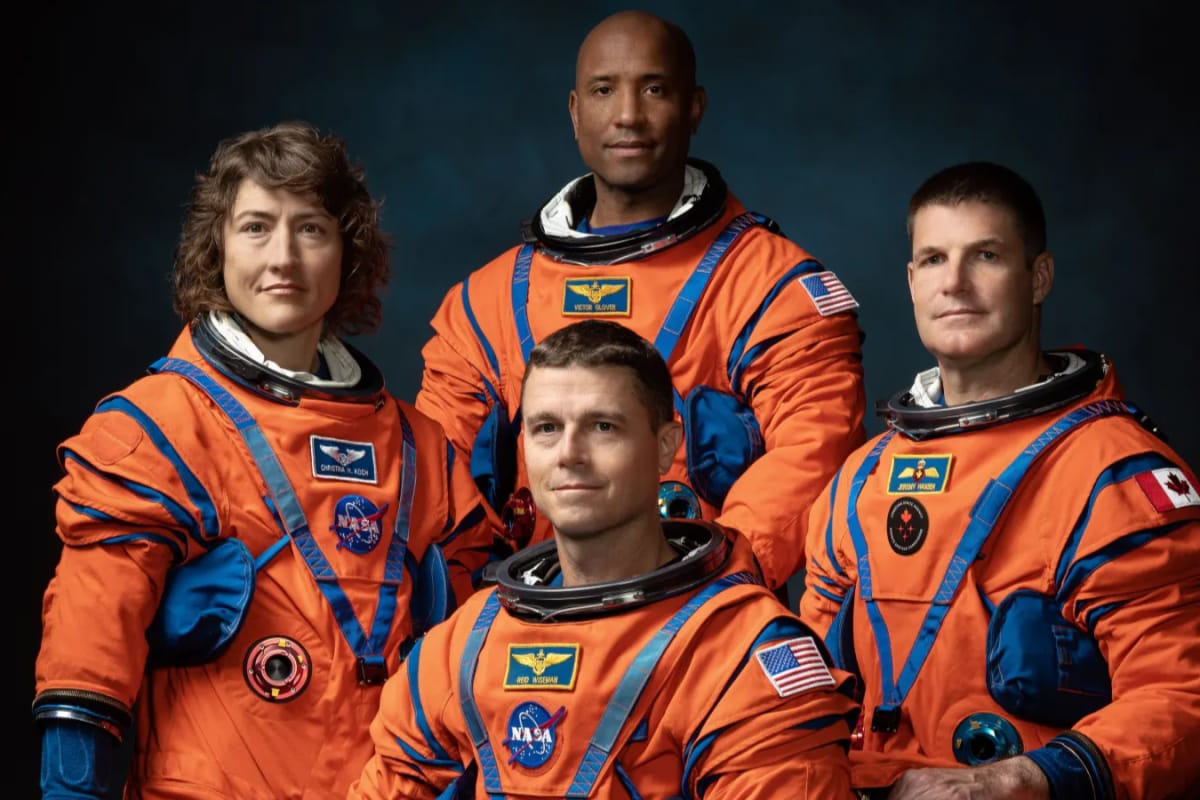
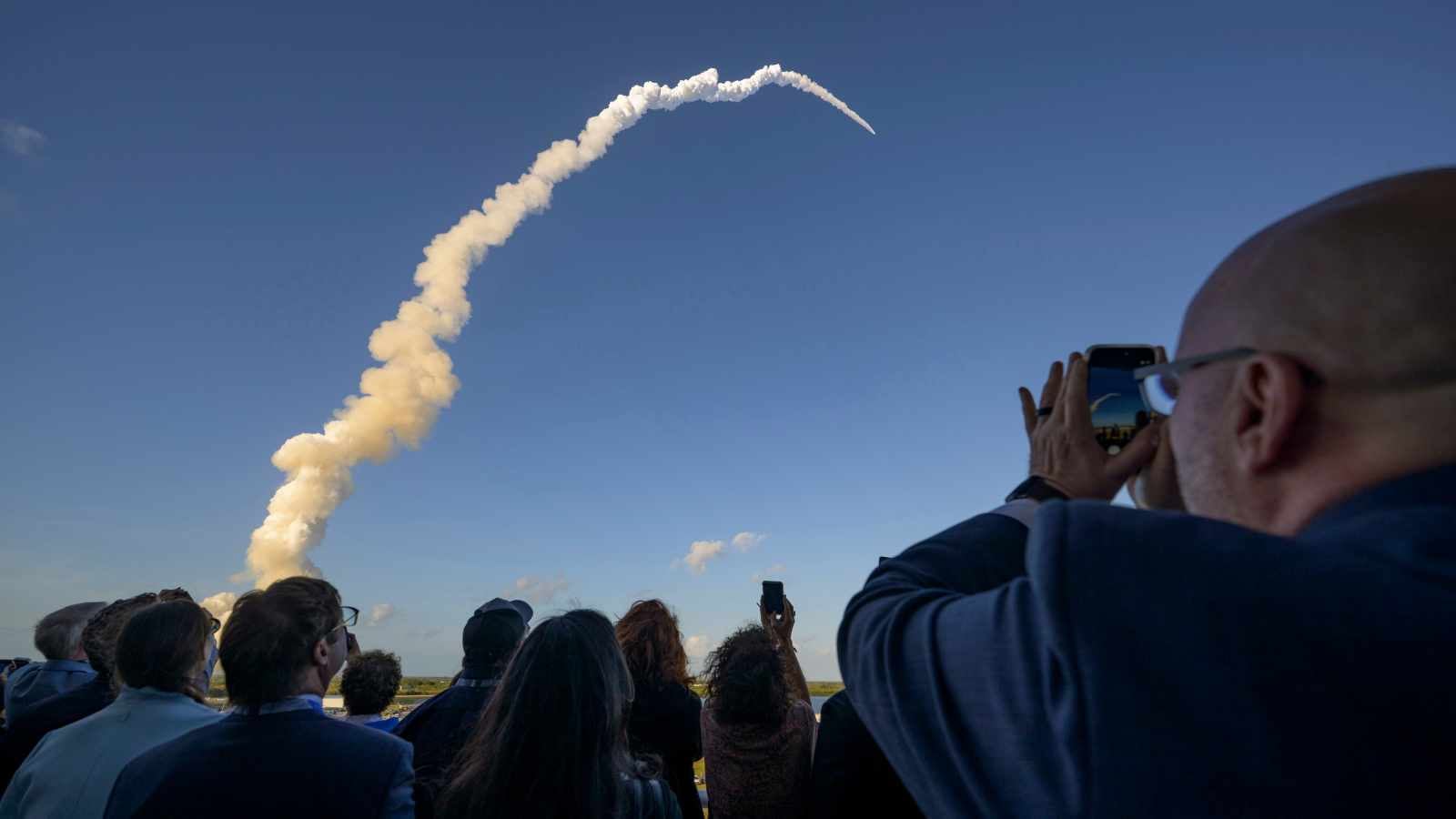
The Artemis II mission, set to launch from Kennedy Space Center in Florida, is a significant milestone for NASA, marking the first crewed journey to the Moon's vicinity since 1972. The mission features a four-person crew, including Navy test pilots Reid Wiseman and Victor Glover, alongside NASA astronaut Christina Koch and Canadian astronaut Jeremy Hansen. As the Space Launch System rocket and Orion spacecraft embark on their nine-day flight, the U.S. military plays a crucial role in ensuring safety. The Space Force will monitor the launch trajectory, ready to send a destruct signal if necessary, while an Air Force rescue team stands by for potential in-flight emergencies. Upon completion of the mission, the Navy will recover the astronauts and the Orion capsule, continuing a long history of military involvement in NASA's human spaceflight endeavors.
Advertisement
In-Article Ad
The Artemis II mission represents a significant advancement in space exploration, showcasing collaboration between NASA and the military, which enhances safety and operational efficiency during space missions.
Advertisement
In-Article Ad
More about NASA
Read the original article
Visit the source for the complete story.