

NASA's Artemis II Mission Faces Glitch in Innovative Space Toilet
Artemis II 1st Mission To Have Toilet On Board - But It Developed A Glitch
 Ndtv
Ndtv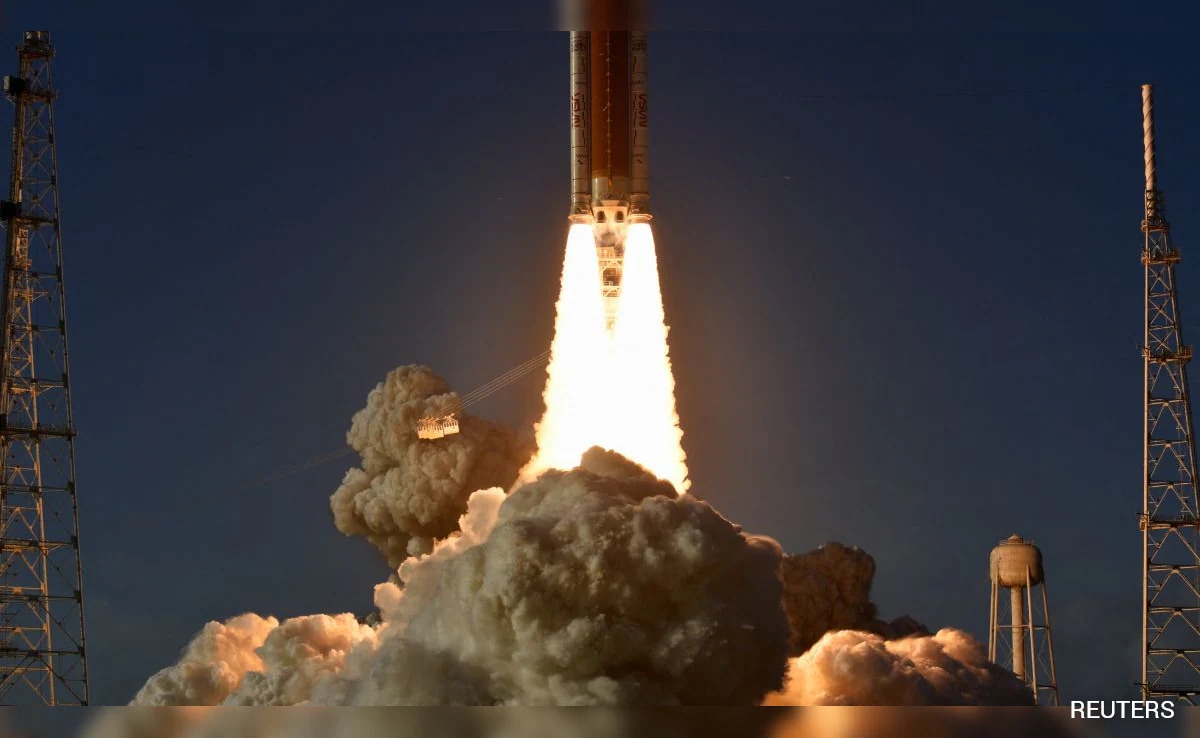
Image: Ndtv
NASA's Artemis II mission, the first crewed flight to the Moon in over 50 years, encountered a glitch in its newly installed toilet system shortly after launch from Cape Canaveral, Florida. Despite the issue, the crew can still use the toilet for solid waste, and troubleshooting is underway.
- 01Artemis II is the first crewed Moon mission in over 50 years.
- 02A glitch was reported in the toilet system, specifically a fan used for urine collection.
- 03The mission aims to pave the way for future lunar landings and Mars exploration.
- 04The crew consists of three Americans and one Canadian astronaut.
- 05This mission will set records for diversity and distance traveled from Earth.
Advertisement
In-Article Ad
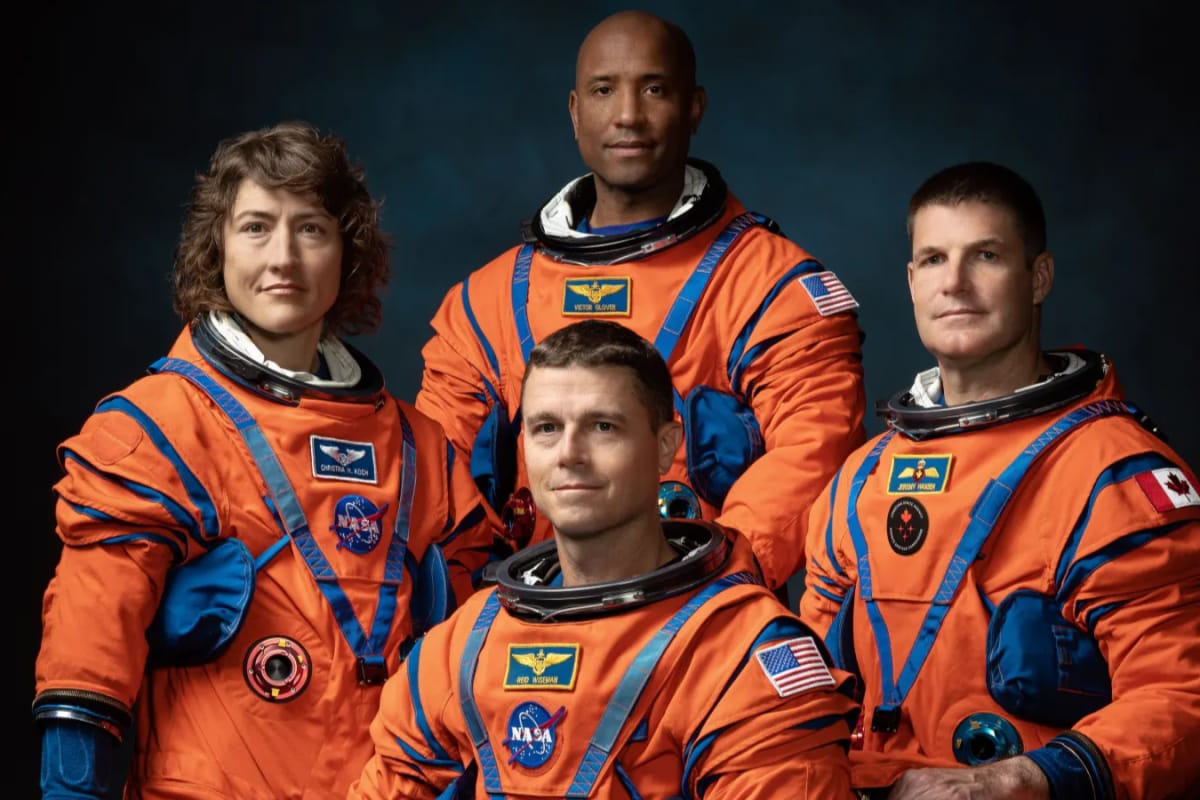
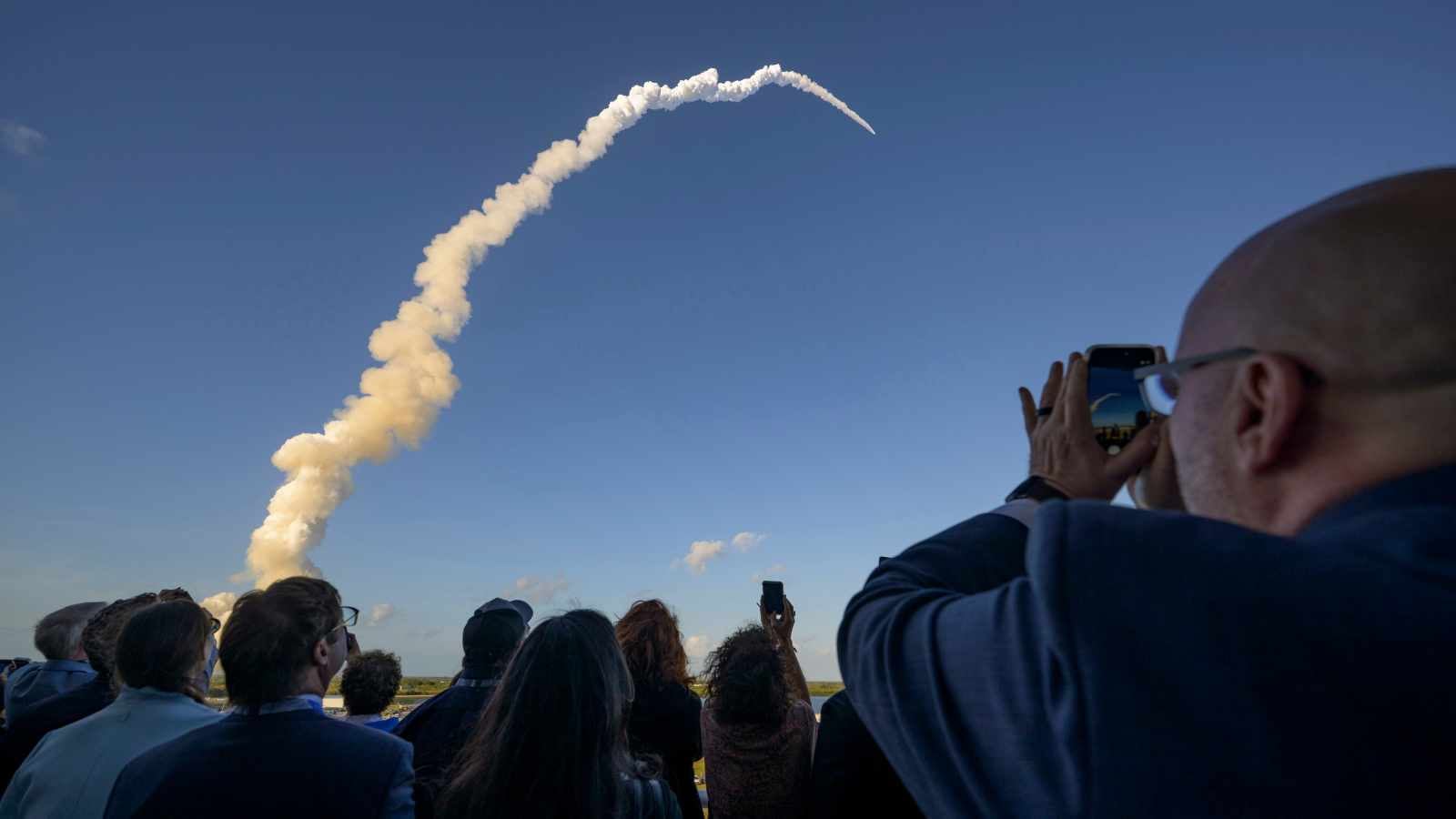
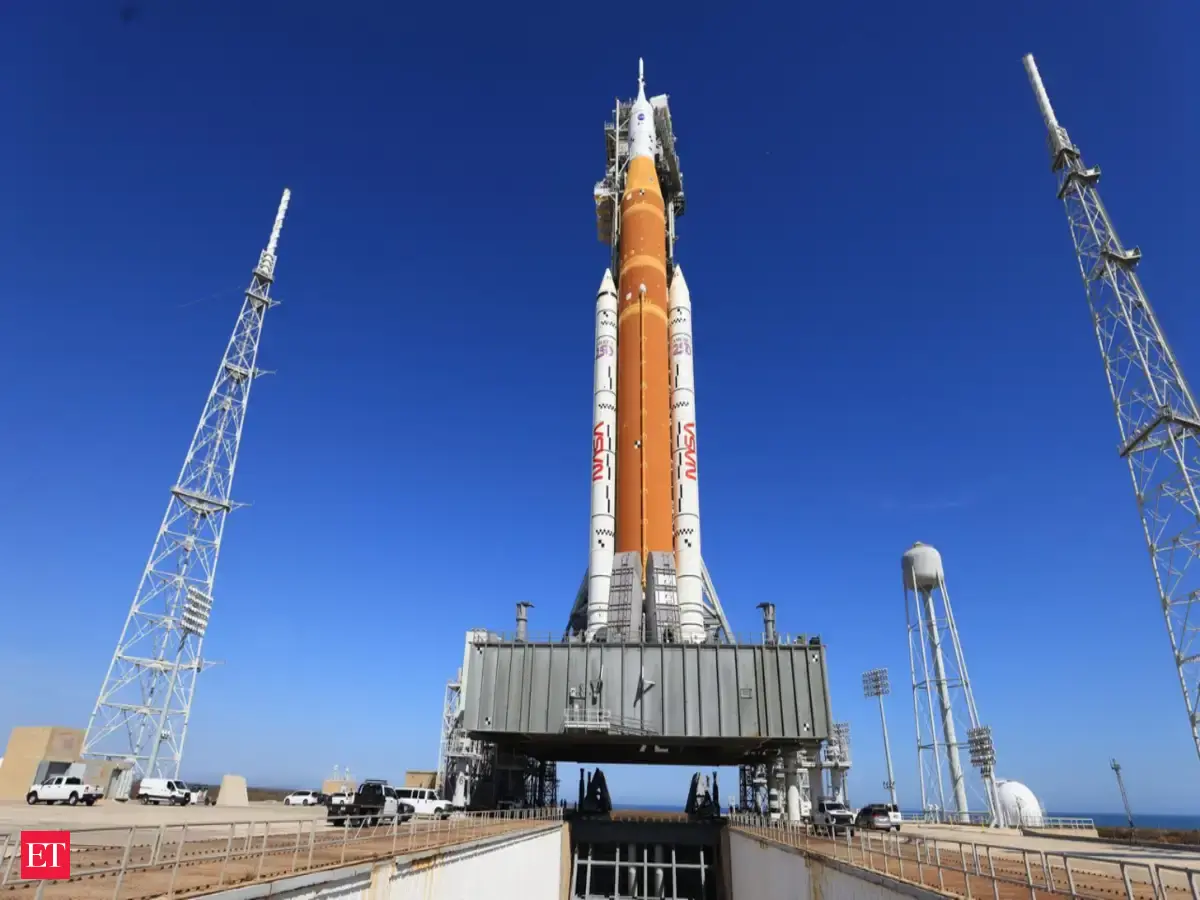
NASA's Artemis II mission launched from Cape Canaveral, Florida, at 6:35 PM ET on April 1, 2026, marking the first crewed flight to the Moon in over five decades. The mission carries four astronauts: Reid Wiseman, Victor Glover, Christina Koch, and Jeremy Hansen. Shortly after liftoff, a glitch was detected in the Universal Waste Management System, specifically a fan linked to urine collection. Despite this, the system remains operational for solid waste. Mission control is working to resolve the issue, ensuring the toilet is ready for use. The mission is designed to test the Orion spacecraft's capabilities and will last approximately 10 days, during which the crew will perform various checks and maneuvers. Artemis II aims to set records by sending the first woman, first person of color, and first non-American on a lunar mission, while also preparing for future lunar landings and establishing a permanent base on the Moon.
Advertisement
In-Article Ad
The success of the Artemis II mission could lead to advancements in space exploration technology and pave the way for future lunar missions, which may inspire interest in STEM fields and space-related careers.
Advertisement
In-Article Ad
More about NASA
Read the original article
Visit the source for the complete story.