


Artemis II Mission Marks a New Era for Lunar Exploration
Artemis II could pave the way for research from the Moon
 The Indian Express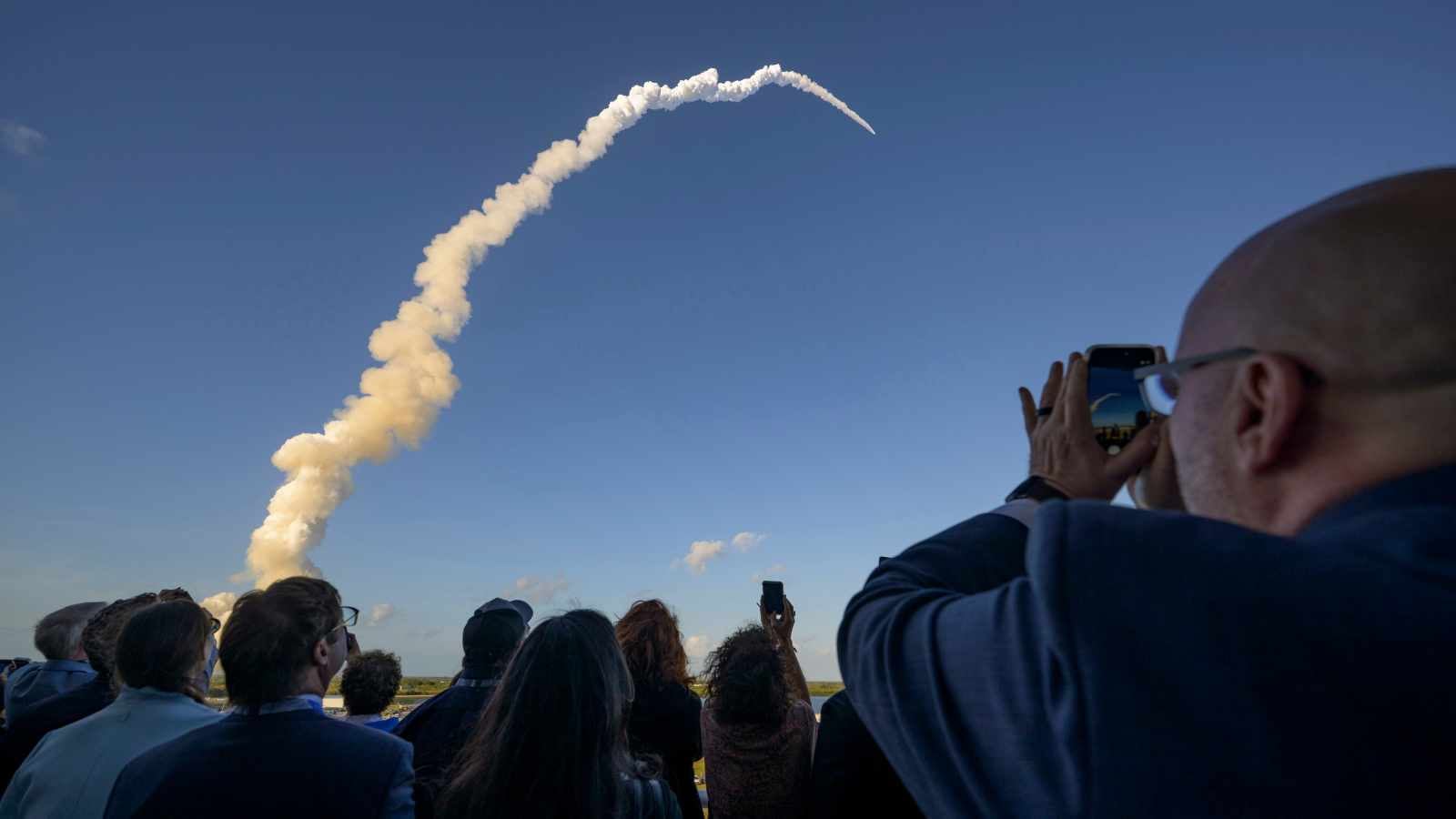
Image: The Indian Express
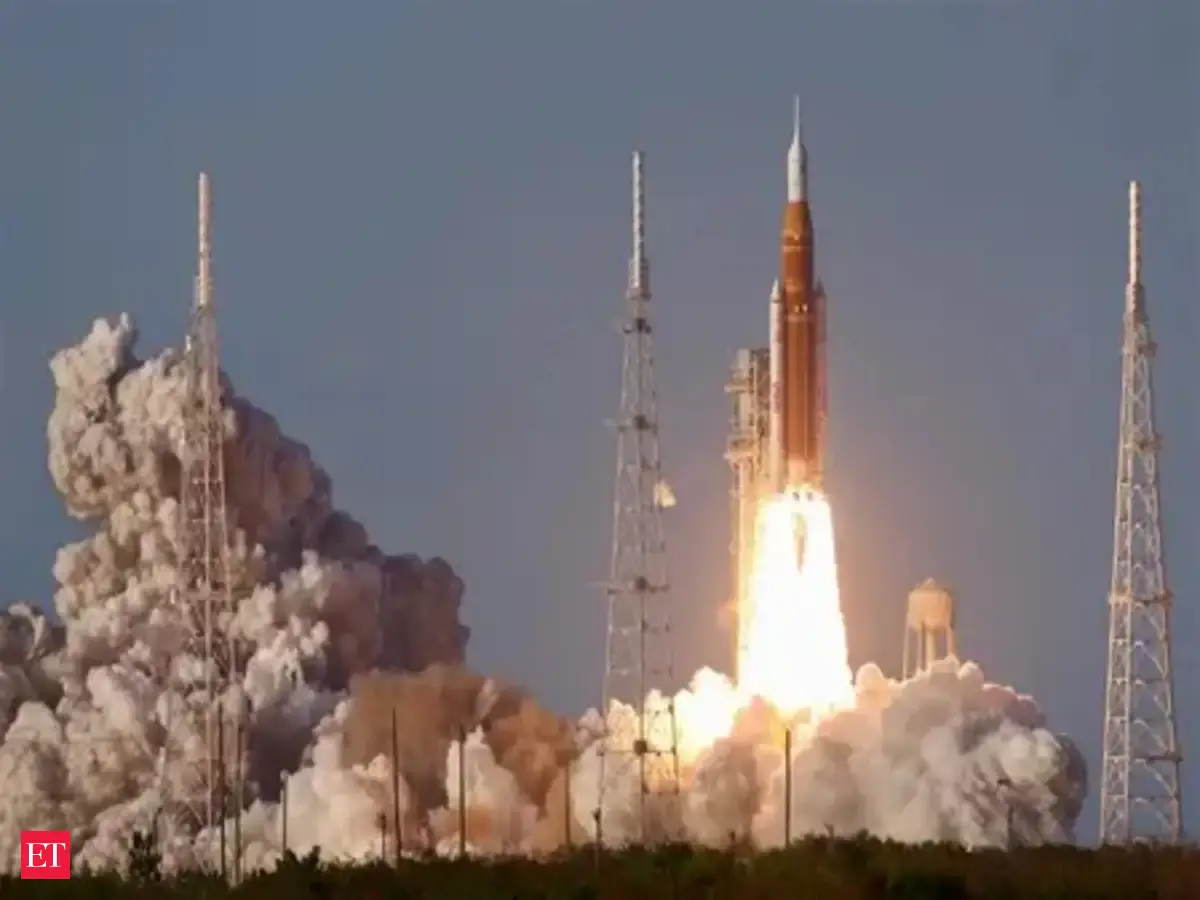
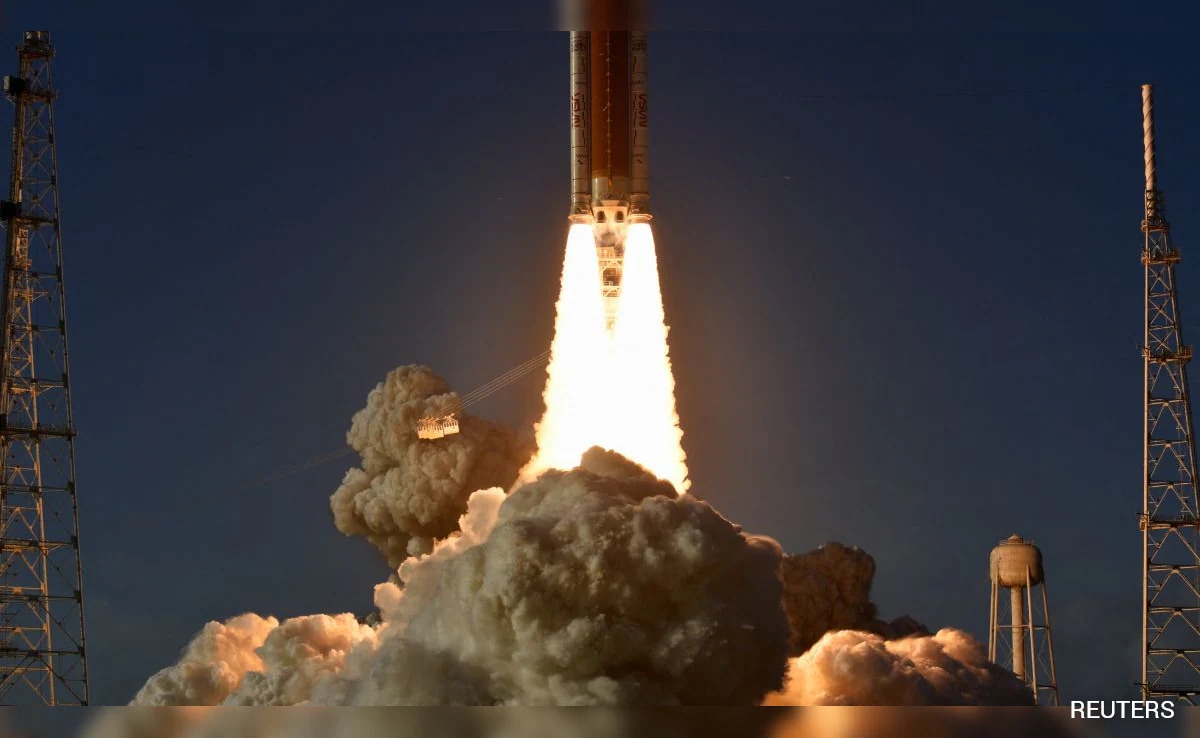
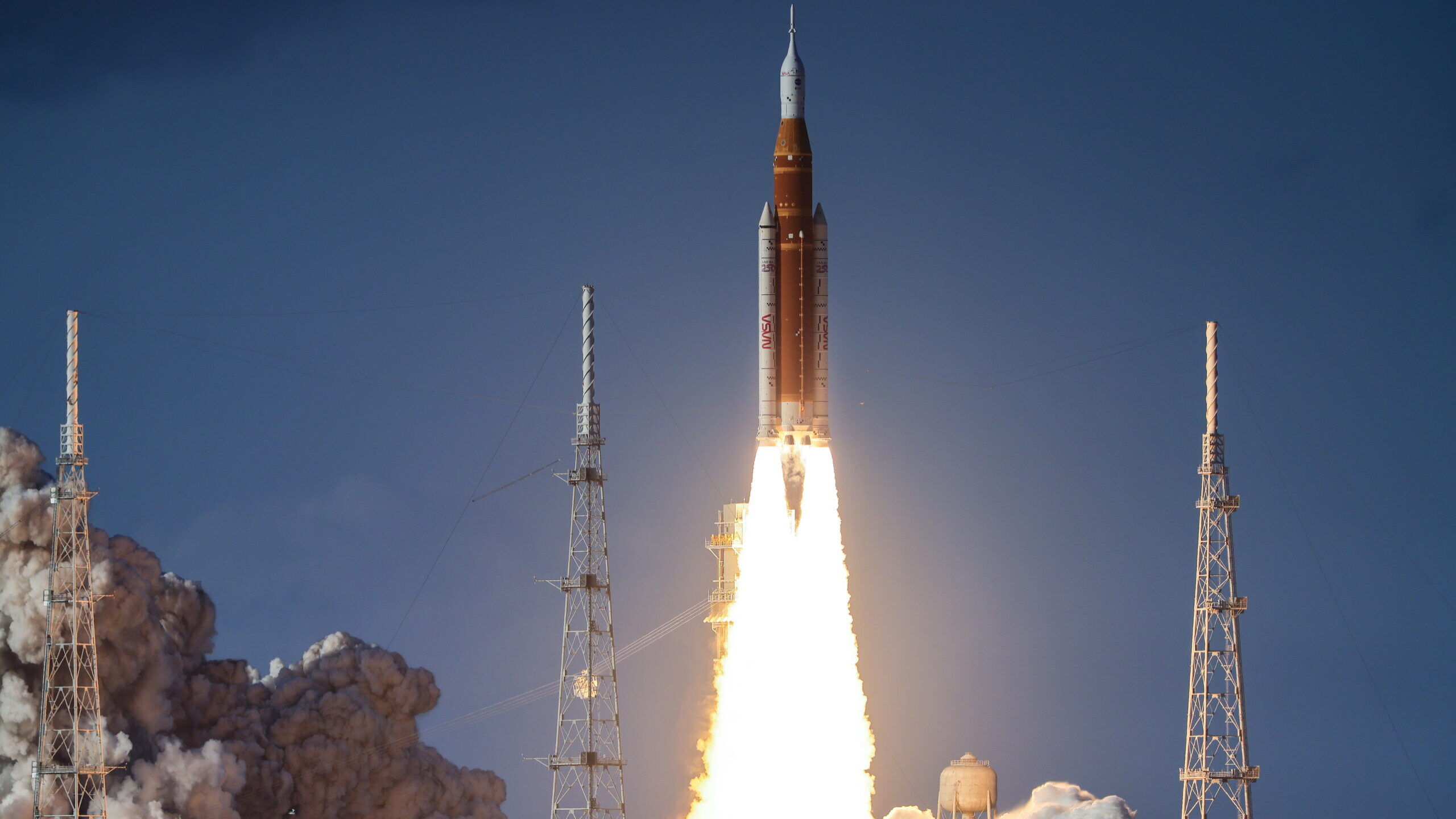
The Artemis II mission will see four astronauts orbit the Moon aboard the Orion spacecraft, marking humanity's return to lunar exploration after nearly 50 years. This flyby mission will test systems for future landings and explore the Moon's potential for scientific research and resource utilization.
- 01Artemis II will orbit the Moon with a crew of four, testing the Orion spacecraft's capabilities.
- 02The mission paves the way for future lunar landings, including Artemis III, scheduled for 2027.
- 03Collaboration with international space agencies enhances technological development and crew participation.
- 04The Moon's resources, including water ice, could support future space missions and scientific research.
- 05The Moon's environment is ideal for advanced telescopes and radio astronomy, offering new insights into the universe.
Advertisement
In-Article Ad
The Artemis II mission, launching with four astronauts aboard the Orion spacecraft, represents a significant milestone in lunar exploration, marking the first human orbit of the Moon since December 1972. This flyby mission will last 10 days and is designed to test the spacecraft's advanced systems, including its radiation shields and life support capabilities. The mission is a precursor to the planned Artemis III, which aims to test docking maneuvers with the Starship Lander in low Earth orbit, paving the way for future lunar landings. The Artemis program, which has already cost over $90 billion, involves collaboration with international space agencies, including contributions from Canada, Europe, and Japan. The return to the Moon is driven by the potential for resource extraction, including water ice, and the establishment of a scientific research platform that could enhance our understanding of the universe through advanced telescopes and radio astronomy. As noted by astrophysicist Joseph Silk, the Moon could become a key site for addressing fundamental questions about our cosmos.
Advertisement
In-Article Ad
The Artemis II mission could lead to advancements in space exploration technology and scientific research, benefiting both the scientific community and the broader public.
Advertisement
In-Article Ad
Reader Poll
Do you support increased funding for lunar exploration missions?
Connecting to poll...
More about NASA
Read the original article
Visit the source for the complete story.