




NASA Develops Revolutionary Nuclear Battery for Long-Duration Space Missions
NASA is developing a new nuclear battery that could run for four centuries or five human lifetimes
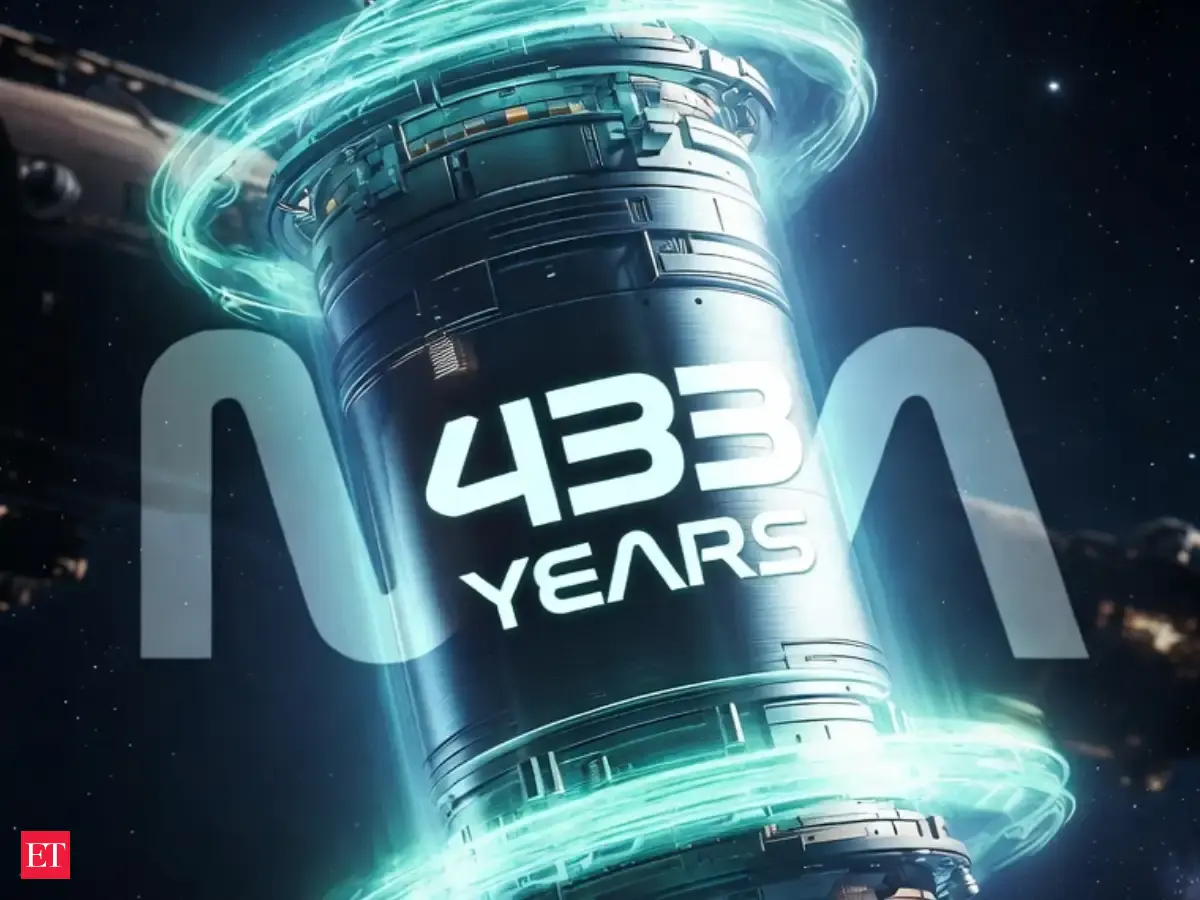
Image: economictimes_indiatimes
NASA is testing a new nuclear battery using americium-241, which has a half-life of 433 years, compared to plutonium-238's 88 years. This technology could power spacecraft for centuries, enabling deep-space exploration without the need for sunlight or recharging.
- 01Americium-241 offers a half-life of 433 years, significantly longer than plutonium-238's 88 years.
- 02The nuclear battery generates electricity from the heat of radioactive decay, ensuring reliable power in deep space.
- 03This technology could support ultra-long-duration missions, expanding exploration possibilities in the Solar System.
- 04NASA is collaborating with the University of Leicester and US national laboratories for development.
- 05The nuclear battery is still in testing and has not yet replaced existing power systems.
Advertisement
In-Article Ad
NASA is exploring a groundbreaking nuclear battery powered by americium-241, which boasts a half-life of 433 years—almost five times longer than the current plutonium-238 used in radioisotope power systems. This innovation generates electricity by converting heat from radioactive decay into power, utilizing free-piston Stirling converters that have proven reliable in microgravity environments. The extended operational life of americium-241 means that spacecraft could potentially operate for centuries without needing sunlight or maintenance. This technology opens up new avenues for deep-space exploration, allowing missions to last far beyond the current limits. While still in the testing phase, early results indicate promising potential for future interstellar probes and long-term planetary missions.
Advertisement
In-Article Ad
Advertisement
In-Article Ad
Reader Poll
Do you support the use of nuclear power for long-duration space missions?
Connecting to poll...
More about NASA
Read the original article
Visit the source for the complete story.