


NASA's Artemis II Mission Marks a New Era in Lunar Exploration
Same moon, different day: Artemis II begins new era of space exploration
 Texas A & M University
Image: Texas A & M University
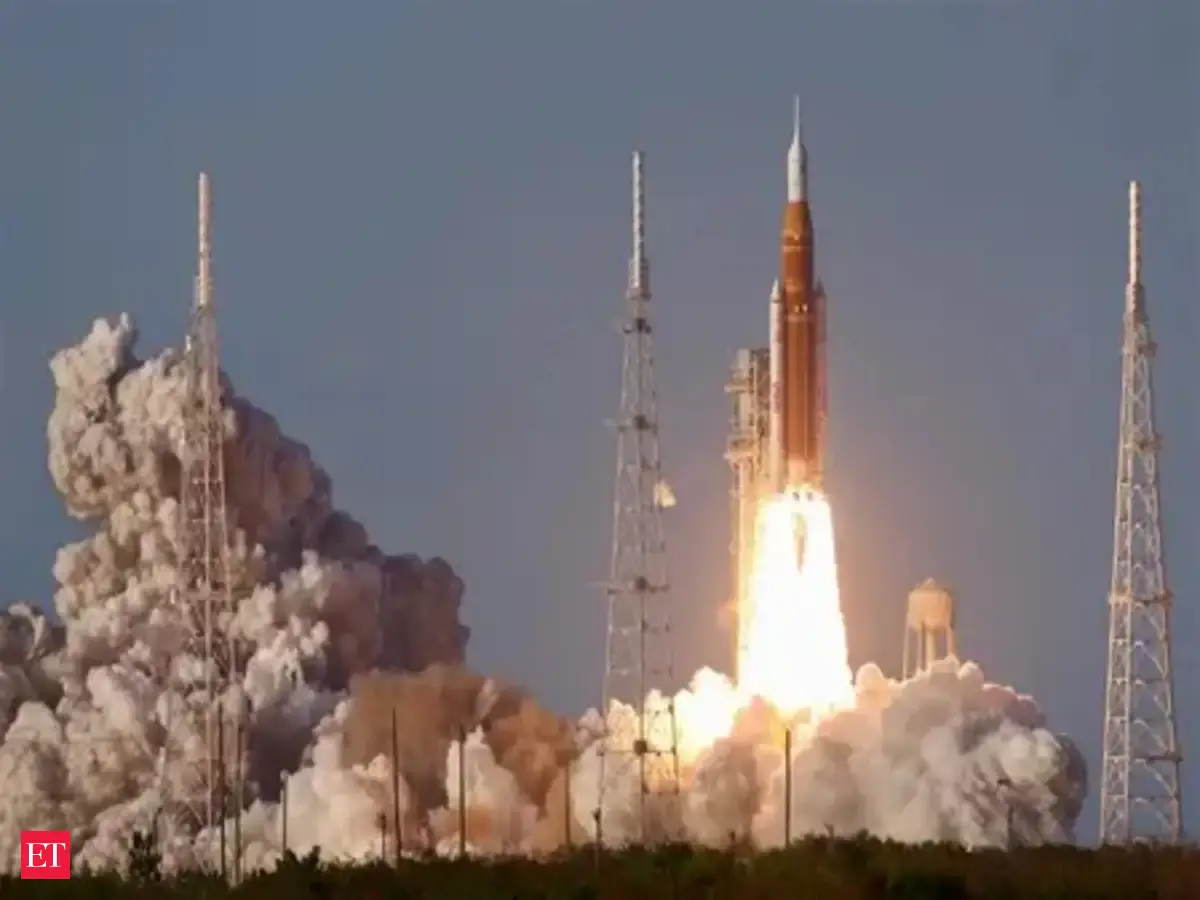
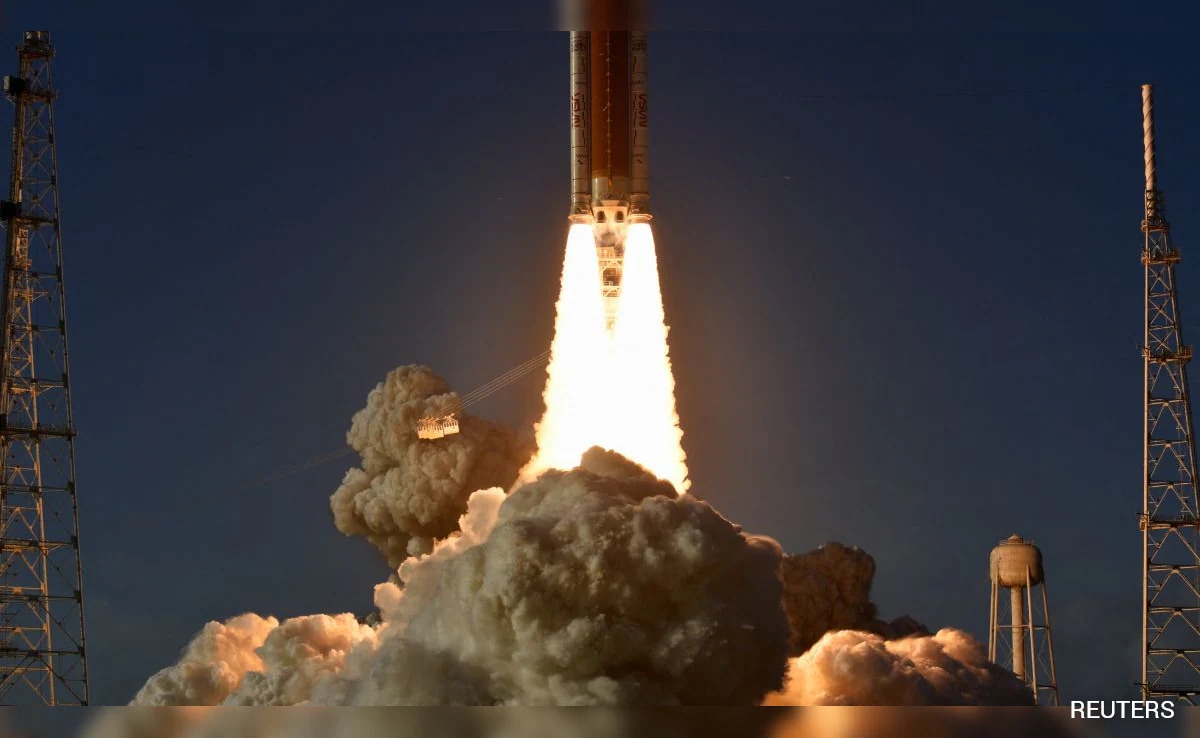
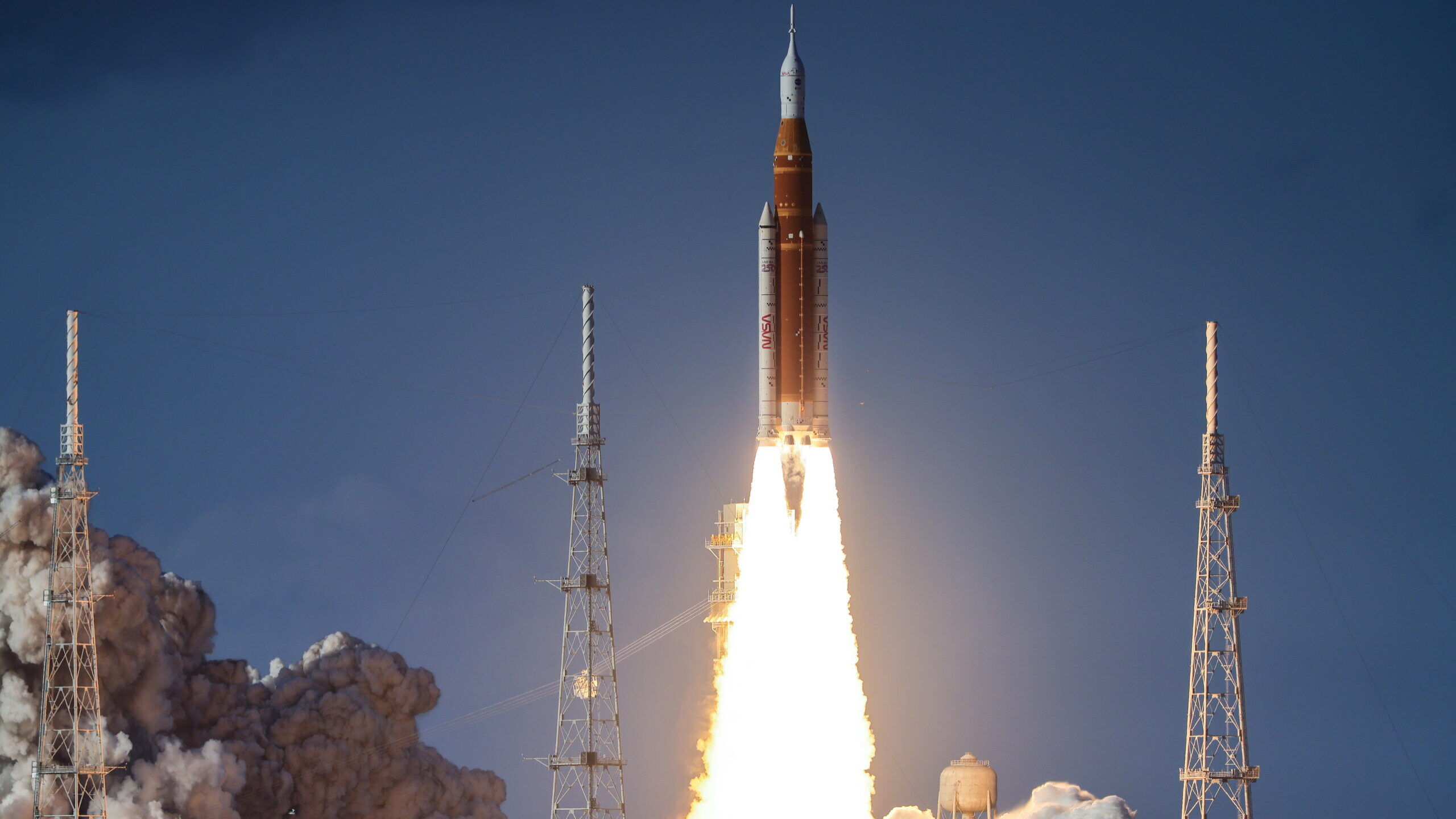
NASA's Artemis II mission, set to launch soon, will be the first crewed lunar mission since 1972, carrying four astronauts on a 10-day lunar flyby. The mission aims to validate essential systems for future deep-space exploration, paving the way for human landings on the Moon and eventually Mars.
- 01Artemis II is NASA's first crewed mission to the Moon since 1972.
- 02The mission will test life-support systems and navigation for future lunar landings.
- 03Texas A&M University is playing a crucial role in modern space exploration.
- 04The mission represents a technological leap from the Apollo era to today's digital capabilities.
- 05Artemis II aims to establish a sustainable human presence on the Moon and prepare for Mars missions.
Advertisement
In-Article Ad
NASA's Artemis II mission is set to launch as the first crewed lunar mission since the Apollo program, which last sent humans to the Moon in 1972. This 10-day mission will carry four astronauts on a lunar flyby, testing critical systems such as life support and navigation. Retired astronaut Dr. Bonnie Dunbar emphasized that Artemis is not merely a return to the Moon but a gateway to future exploration, including Mars. The mission builds on the uncrewed Artemis I, which successfully demonstrated the capabilities of the Orion spacecraft. Texas A&M University is significantly involved in this new era of space exploration, with projects like the Texas A&M Space Institute and TAMU-SPIRIT, which will be utilized on the International Space Station. The advancements since the Apollo missions are remarkable; today's spacecraft utilize digital technology for safer operations, contrasting with the analog systems of the past. Artemis II aims to establish a sustainable human presence on the Moon, focusing on the lunar south pole, which may harbor water ice. This mission not only honors the legacy of Apollo but also embraces new technologies and scientific inquiries for the future.
Advertisement
In-Article Ad
The Artemis II mission will enhance educational opportunities for students at Texas A&M University, providing hands-on experience in space research and technology development.
Advertisement
In-Article Ad
More about NASA
Read the original article
Visit the source for the complete story.