



New Technologies Enable Mapping of Soil Microbes from the Sky
Scientists Are Now Mapping Invisible Soil Life From the Sky
 The Economic Times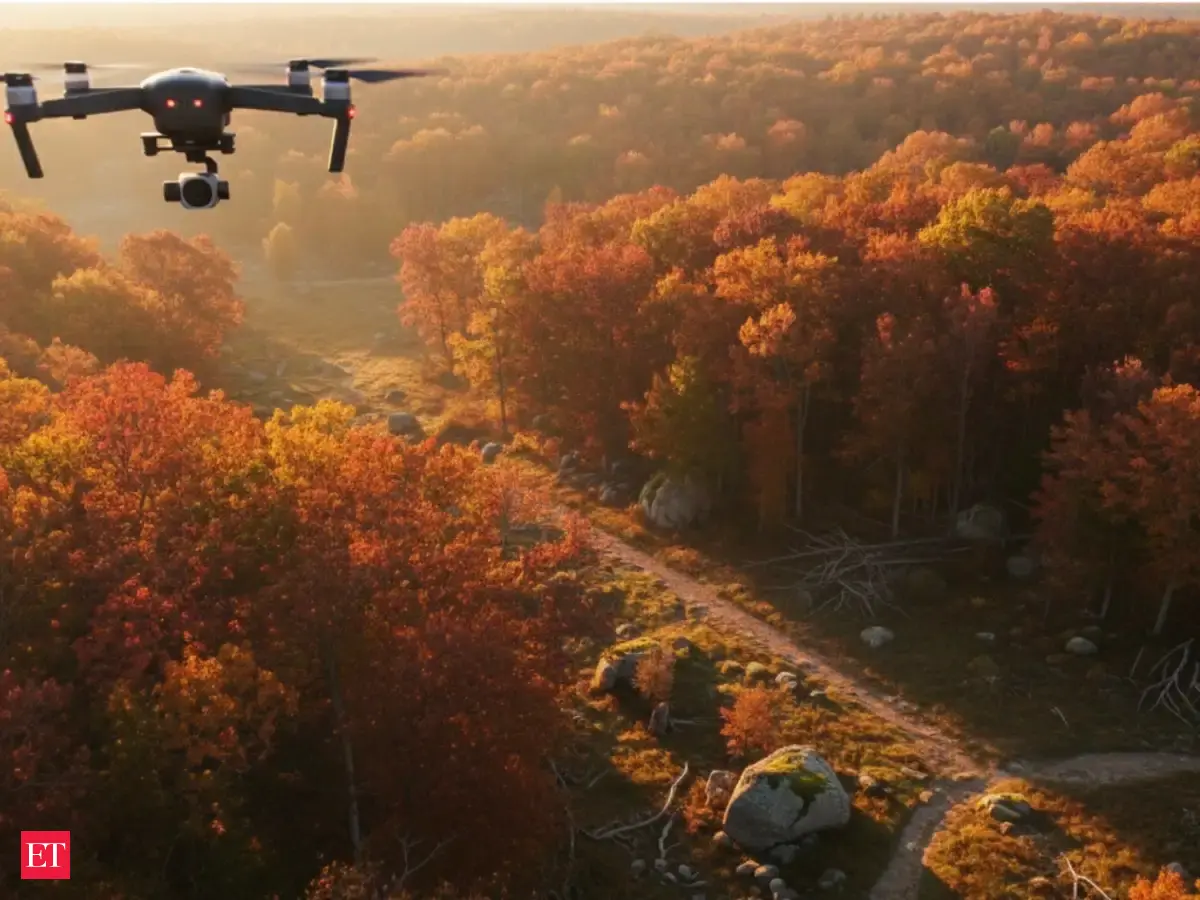
Image: The Economic Times
Recent advancements allow scientists to study soil microbes from the air, enhancing our understanding of soil health and biodiversity. Using airborne sensors and satellite imagery, researchers can now estimate soil organic carbon levels and monitor microbial activity, which is crucial for climate change research.
- 01Airborne sensors can now detect soil microbes from the surface.
- 02The U.S. Geological Survey has utilized unmanned aerial systems for monitoring biological soil crusts.
- 03Hyperspectral satellite imagery has been employed to map soil organic carbon in the U.S., India, and Kenya.
- 04The above-ground vegetation is linked to microbial diversity in the soil.
- 05Challenges remain in interpreting spectral images due to environmental factors.
Advertisement
In-Article Ad
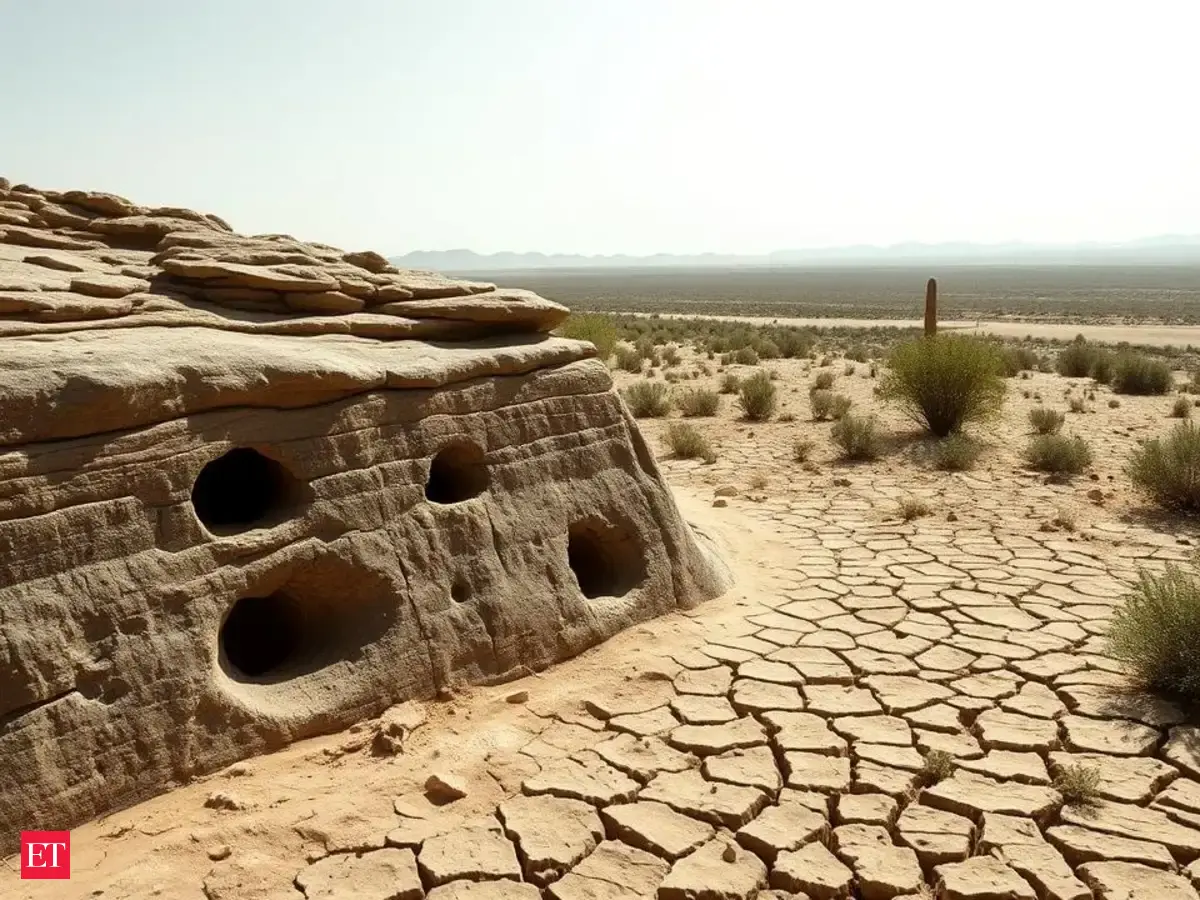
Recent research has revealed that scientists can now map soil microbes from the air, marking a significant advancement in environmental science. Using airborne sensors and satellite imagery, researchers can estimate soil health and biodiversity without the need for physical soil samples. The U.S. Geological Survey has pioneered this approach by employing small unmanned aerial systems to monitor biological soil crusts, which are vital for soil stability in dryland ecosystems. Additionally, the MIT Climate and Sustainability Consortium has utilized hyperspectral satellite imagery to assess soil organic carbon levels in various regions, including the United States, India, and Kenya. This innovative method enhances the accuracy of soil carbon estimations, which is critical in the context of climate change. Above-ground vegetation also plays a role in indicating underground microbial activities, as highlighted by the U.S. Forest Service. Despite these advancements, challenges such as interpreting spectral images due to soil moisture and weather conditions persist. Overall, the ability to observe soil microbes from an aerial perspective represents a crucial development in understanding soil biodiversity and its implications for climate research globally.
Advertisement
In-Article Ad
This advancement in mapping soil microbes can lead to better understanding and management of soil health, which is vital for agriculture and ecosystem sustainability.
Advertisement
In-Article Ad
More about U.S. Geological Survey
Read the original article
Visit the source for the complete story.