


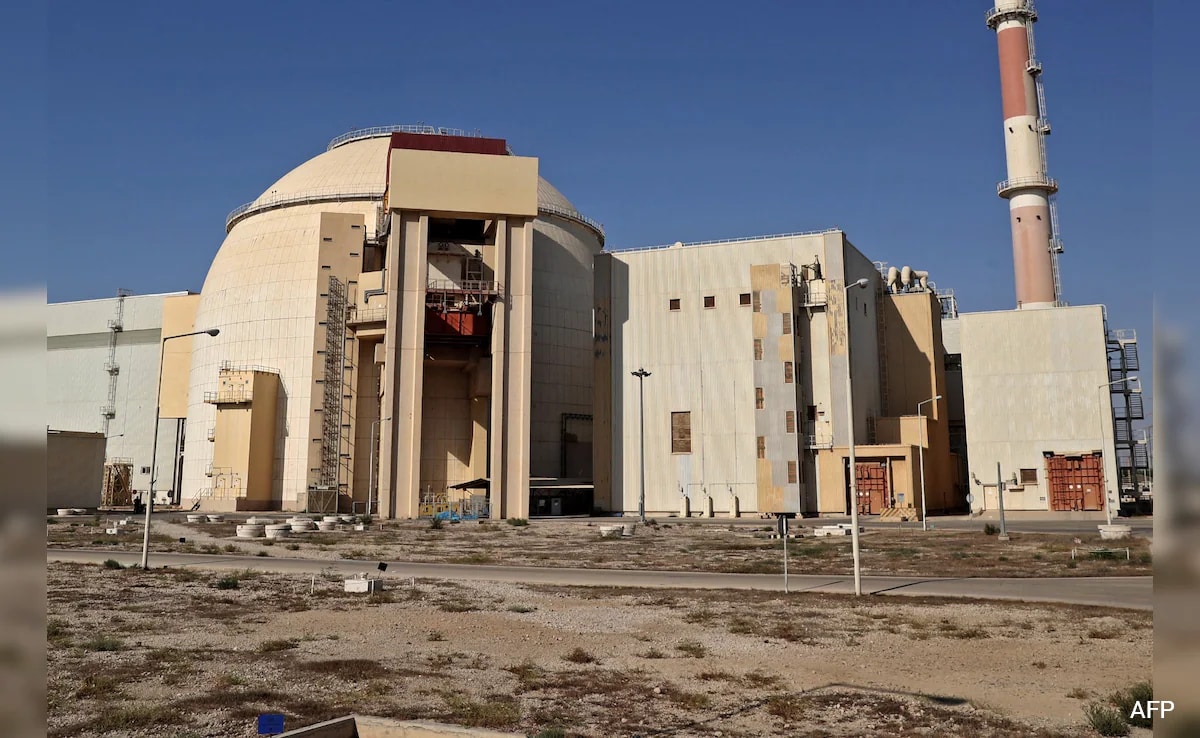

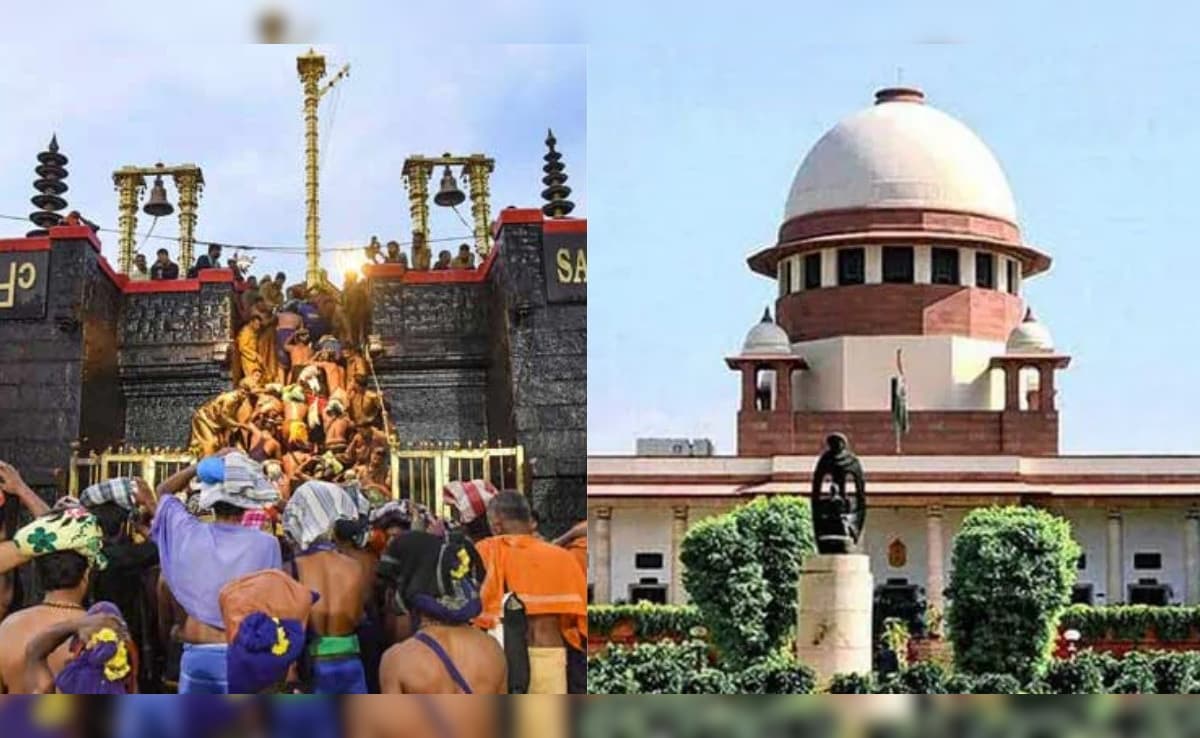
Government Advocates for Religious Autonomy in Sabarimala Case Before Supreme Court
Question of faith beyond judicial review: Govt to Supreme Court on Sabarimala
 Hindustan Times
Image: Hindustan Times
The Indian government has requested the Supreme Court to maintain the ban on women of menstruating age entering the Sabarimala temple in Kerala, asserting that such matters fall under religious faith and should not be subject to judicial review. The case could redefine the limits of judicial intervention in religious practices and the concept of constitutional morality.
- 01The government argues that the Sabarimala entry restriction is a matter of religious belief, not gender discrimination.
- 02It seeks to uphold the 2018 Joseph Shine judgment's critique, claiming it relies on vague concepts of 'constitutional morality.'
- 03The Supreme Court's nine-judge bench will address broader questions regarding judicial review of religious practices.
- 04The government's submissions emphasize that the essentiality of religious practices should be determined by the faith community, not the courts.
- 05This case could have implications for women's access to other religious sites and the autonomy of religious communities.
Advertisement
In-Article Ad
On Monday, the Indian government urged the Supreme Court to uphold the prohibition on women of menstruating age from entering the Sabarimala temple in Kerala, arguing that such restrictions are rooted in religious faith and denominational autonomy, thus beyond judicial review. The Centre's submissions, presented by Solicitor General Tushar Mehta, challenged the 2018 Joseph Shine judgment, which decriminalized adultery, labeling its reliance on 'constitutional morality' as vague and subjective. The Supreme Court's nine-judge bench, convened to review the long-standing Sabarimala case, is tasked with addressing the boundaries of judicial review in matters of religion, including the definition of 'essential religious practices.' The government contended that the essentiality of practices should be determined by the religious community itself, warning against courts imposing their philosophical views on faith. The outcome of this case is expected to significantly impact constitutional interpretations regarding religious freedom, gender equality, and the autonomy of religious communities, extending beyond Sabarimala to other religious sites.
Advertisement
In-Article Ad
The outcome of this case could redefine access to religious sites for women and the autonomy of religious communities in India, affecting how religious practices are interpreted and enforced.
Advertisement
In-Article Ad
Reader Poll
Should the Supreme Court intervene in religious practices regarding gender restrictions?
Connecting to poll...
More about Supreme Court of India

Kerala and Centre Support Review of Sabarimala Judgment in Supreme Court
The Indian Express • Apr 7, 2026
Supreme Court Hears West Bengal Voter Exclusion Case: 55% Still Excluded Post-Adjudication
The Economic Times • Apr 7, 2026
Kerala Government Advocates for Limited Religious Freedom in Sabarimala Case
Ndtv • Apr 6, 2026
Read the original article
Visit the source for the complete story.