



Kerala Government Advocates for Limited Religious Freedom in Sabarimala Case
Right To Religion Not Absolute: Kerala Switches Side On Sabarimala Review
 Ndtv
Ndtv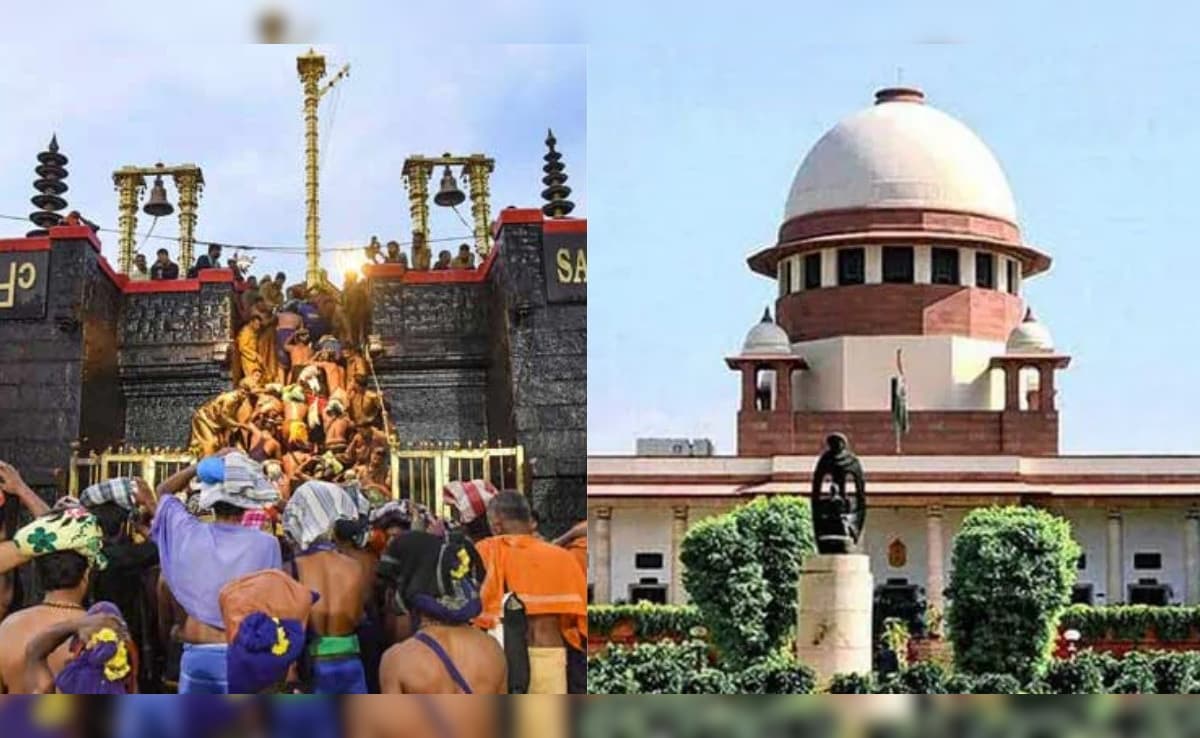
Image: Ndtv
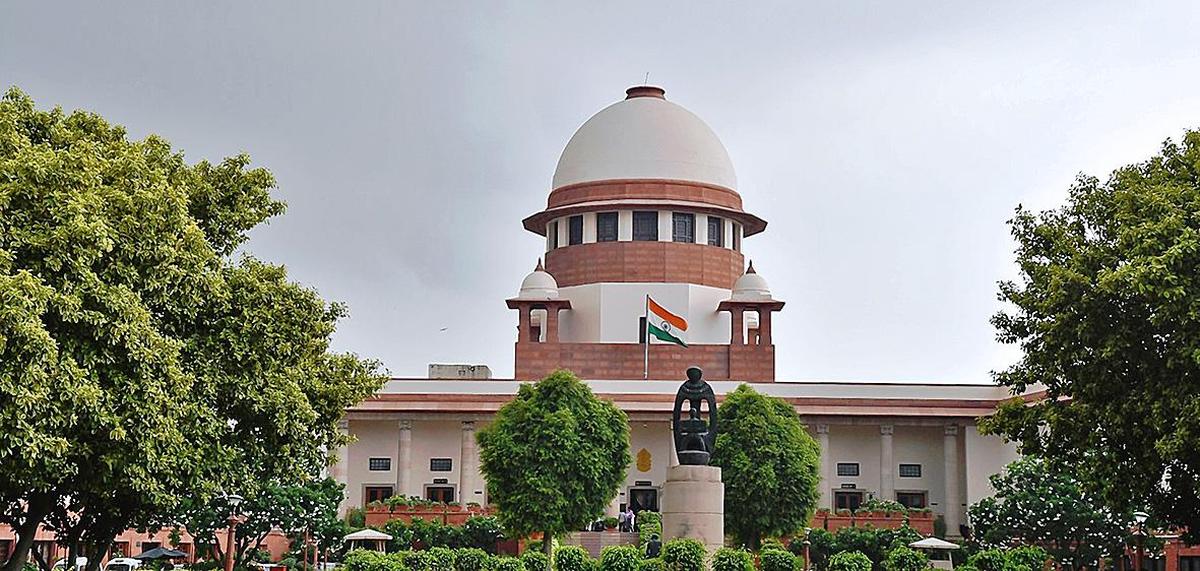
The Kerala government has informed the Supreme Court that the right to freedom of religion is not absolute and should not infringe on the rights of others. This argument comes as the court prepares to review the 2018 ruling that allowed women of all ages entry into the Sabarimala temple, a decision that has sparked significant debate over religious practices and constitutional rights.
- 01Kerala argues that religious freedom under Article 25 is subject to limitations.
- 02The Supreme Court will review the 2018 Sabarimala verdict regarding women's entry.
- 03The state emphasizes the need for constitutional morality in interpreting religious rights.
- 04Key questions include the scope of judicial review and the definition of essential religious practices.
- 05The government seeks to balance individual rights with the rights of religious denominations.
Advertisement
In-Article Ad
The Kerala government has presented its position to the Supreme Court, asserting that the right to freedom of religion under Article 25 of the Indian Constitution is an individual right that is not absolute. This comes as the Supreme Court prepares to hear review petitions challenging the 2018 ruling that permitted women of all ages to enter the Sabarimala temple in Kerala. The government argues that while Article 25 guarantees freedom of conscience and the practice of religion, it is subject to constitutional limitations such as public order and morality. It emphasizes that a true democracy recognizes the rights of even the smallest minority and that religious freedoms must not infringe upon the rights of others. The Supreme Court will consider several key questions regarding the interplay between Articles 25 and 26, the scope of judicial review, and the definition of essential religious practices. The outcome could have significant implications for the rights of women and the management of religious institutions in India.
Advertisement
In-Article Ad
The court's decision could redefine access to religious sites in India, impacting women's rights and religious practices.
Advertisement
In-Article Ad
Reader Poll
Should the Supreme Court uphold the 2018 ruling allowing women entry into Sabarimala?
Connecting to poll...
More about Supreme Court of India
Supreme Court Hears West Bengal Voter Exclusion Case: 55% Still Excluded Post-Adjudication
The Economic Times • Apr 7, 2026
Supreme Court Directs West Bengal to Support Judicial Officers in Electoral Roll Revision
The Hindu • Apr 6, 2026
Supreme Court Faces Controversy Over NCERT Textbook Chapter on Judiciary
The Hindu • Apr 6, 2026
Read the original article
Visit the source for the complete story.