


IIT Bombay Researchers Revive Old Antibiotics to Combat Resistance
How to make old antibiotics work again?
 The Indian Express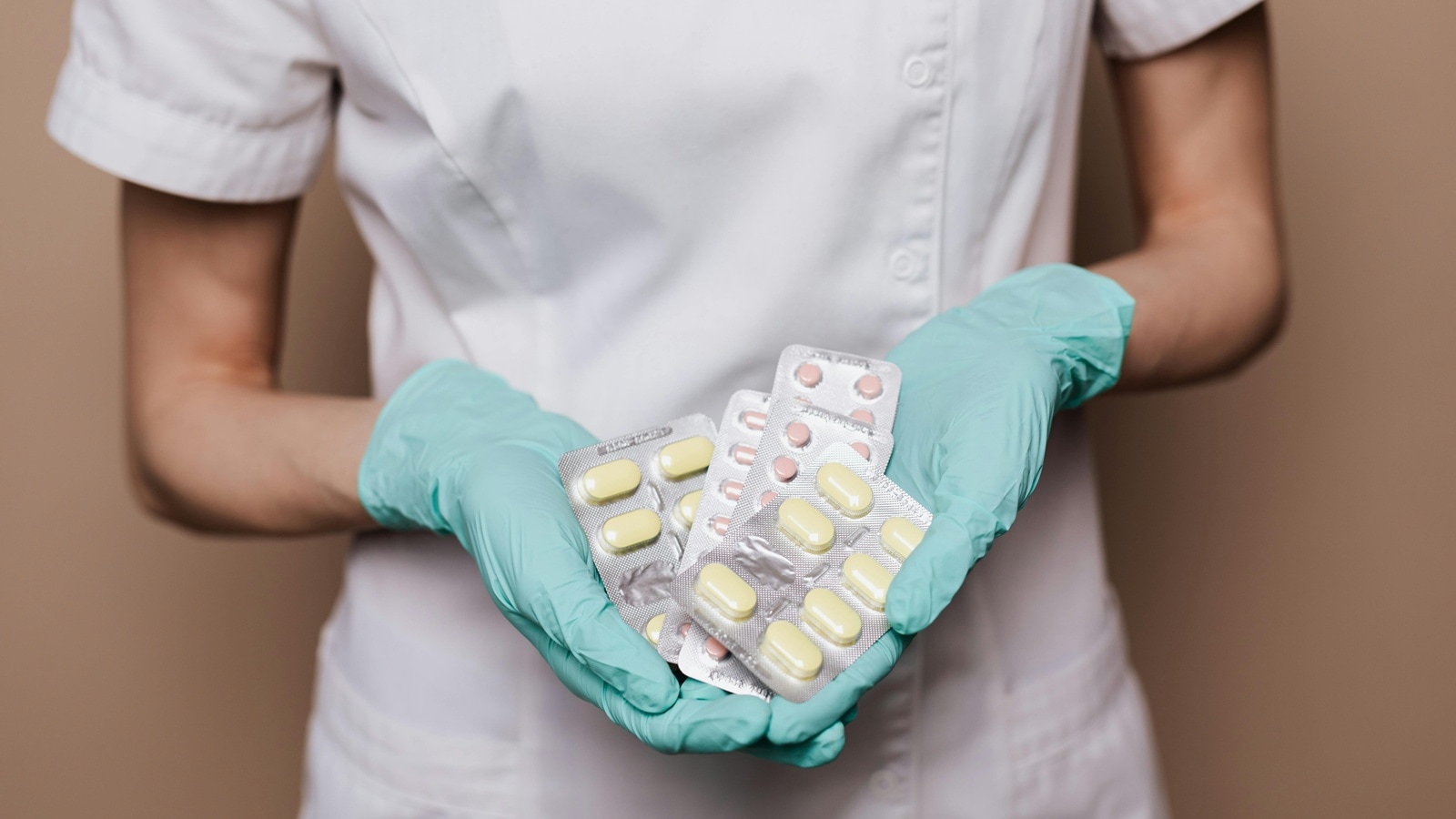
Image: The Indian Express
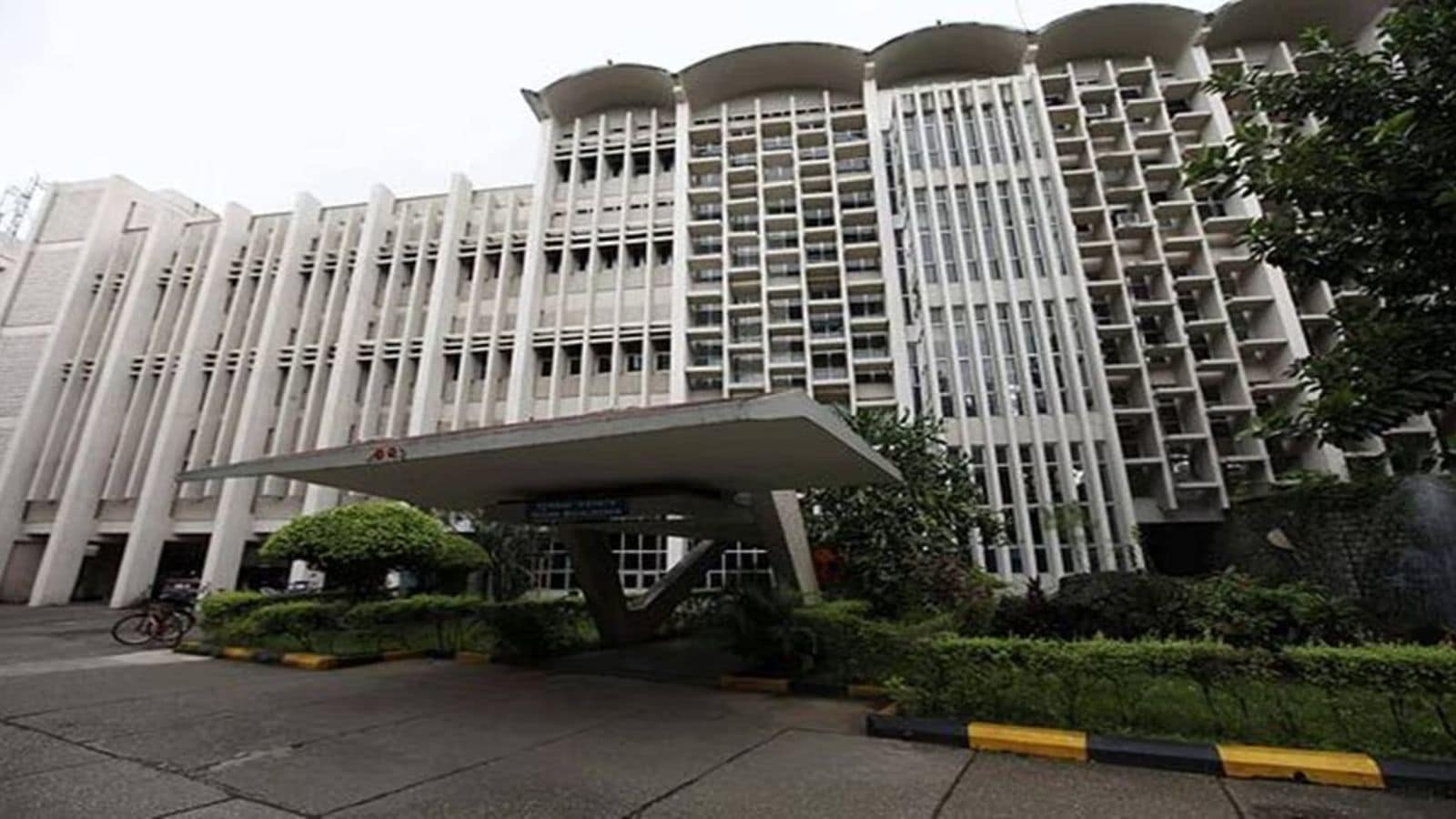
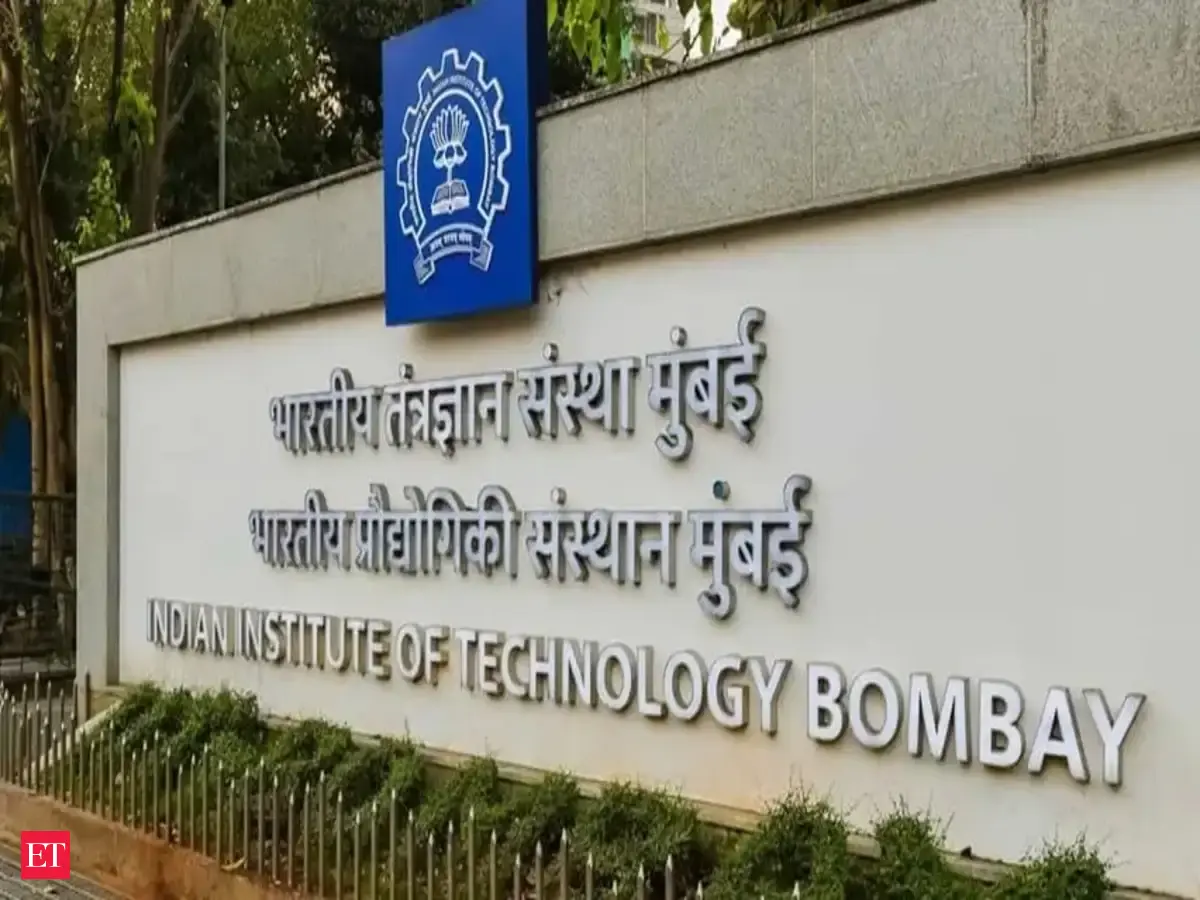
Researchers at the Indian Institute of Technology (IIT) Bombay have developed a method to enhance the effectiveness of existing antibiotics against resistant bacteria. By using DNA aptamers to inhibit resistance mechanisms, they aim to make antibiotics like azithromycin and erythromycin effective again, potentially saving countless lives affected by antimicrobial resistance.
- 01IIT Bombay researchers found a way to make old antibiotics effective against resistant bacteria.
- 02They used DNA aptamers to inhibit Erm enzymes that cause antibiotic resistance.
- 03Liposomes were developed to deliver these aptamers into bacterial cells effectively.
- 04The combination of aptamers and antibiotics resulted in over 90% effectiveness against resistant Staphylococcus aureus.
- 05This approach could extend the lifespan of existing antibiotics and reduce the need for new drug development.
Advertisement
In-Article Ad
Researchers at the Indian Institute of Technology (IIT) Bombay have made a breakthrough in combating antimicrobial resistance, which led to an estimated 260,000 deaths in India in 2021. Instead of developing new antibiotics, they focused on reviving older ones, specifically macrolides like azithromycin and erythromycin. These antibiotics target the bacterial ribosome, but bacteria have developed resistance through Erm enzymes that modify the ribosome, preventing antibiotic attachment. The IIT Bombay team, including researchers Leena Badgujar, Damini Sahu, Ruchi Anand, and Pradeepkumar PI, discovered that short DNA strands known as aptamers could bind to the Erm42 enzyme, preventing the bacteria from altering the ribosome. To deliver these aptamers effectively, they engineered liposomes—tiny fat bubbles that mimic cell membranes—allowing over 90% uptake of the aptamers in antibiotic-resistant Staphylococcus aureus. This combination significantly increased bacterial cell death compared to antibiotics alone. This innovative method not only extends the lifespan of existing antibiotics but also reduces the need for new drug development, which is often lengthy and costly. Professor Anand emphasized that enhancing existing drugs may be a more practical and safer route to tackle antibiotic resistance.
Advertisement
In-Article Ad
This research could significantly reduce mortality rates from infections in India and globally by making existing antibiotics effective again.
Advertisement
In-Article Ad
More about Indian Institute of Technology Bombay
Read the original article
Visit the source for the complete story.