




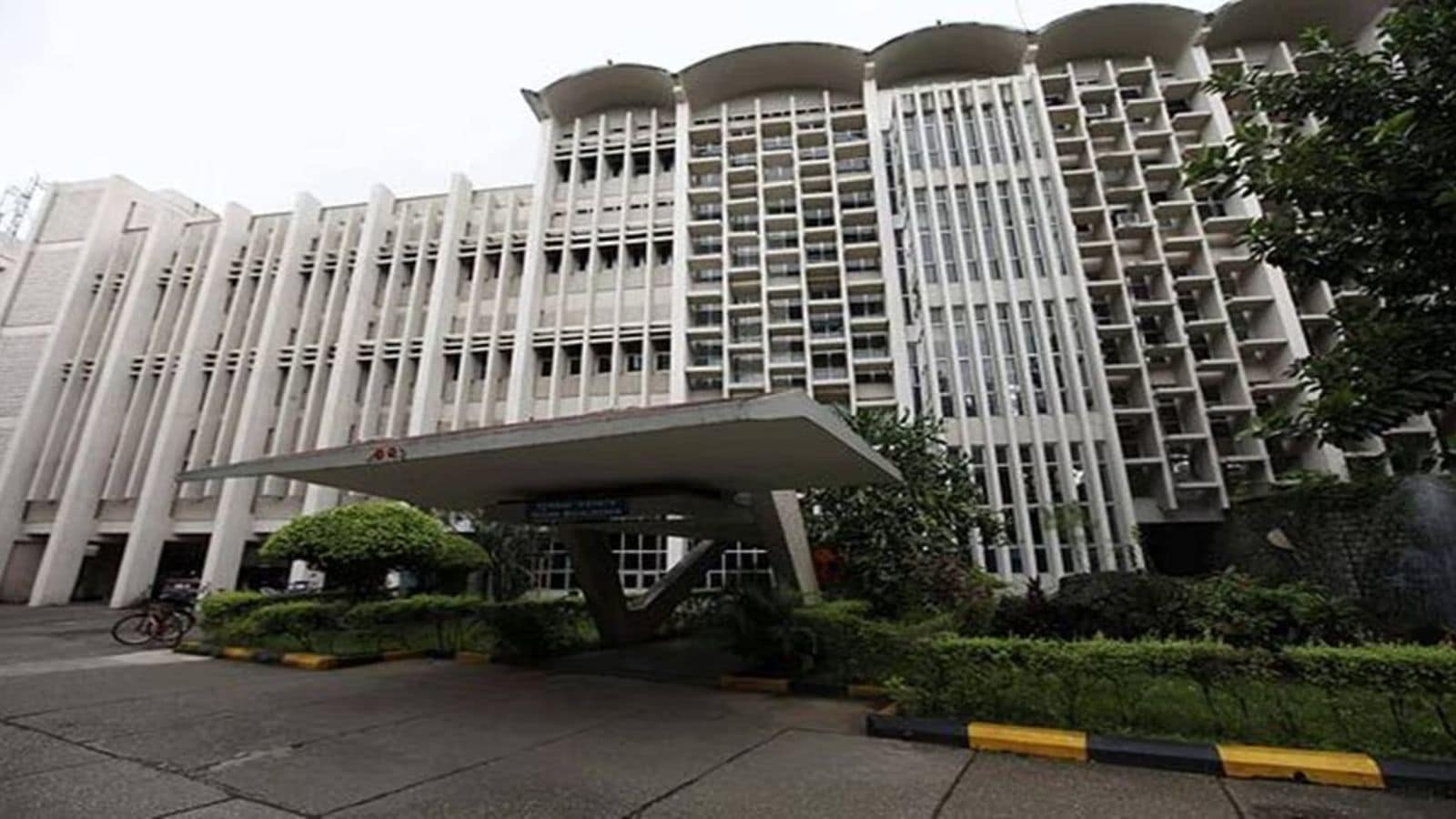

IIT Bombay's Leaf-to-Gas Technology Offers Solution to India's LPG Crisis
Can IIT Bombay’s leaf-to-gas technology help tackle India’s LPG crisis? Know how it works
 The Economic Times
Image: The Economic Times
The Indian Institute of Technology Bombay has developed a biomass gasification technology that converts dry leaf waste into cooking fuel, reducing LPG consumption by 30-40%. This innovation addresses the LPG supply crisis and has been in use for nearly a decade, achieving significant cost savings and environmental benefits.
- 01IIT Bombay's technology reduces LPG usage by 30-40% on campus.
- 02The initiative has been operational for nearly a decade, improving cooking efficiency.
- 03The patented gasification process converts dry leaves into a clean-burning gas.
- 04Wider deployment could save ₹50 lakh (approximately $60,000 USD) annually.
- 05The technology aims to reduce carbon dioxide emissions by nearly 300 tonnes.
Advertisement
In-Article Ad
The Indian Institute of Technology Bombay (IIT Bombay) has developed a patented biomass gasification technology that converts dry leaf waste into cooking fuel, effectively reducing LPG (liquefied petroleum gas) consumption by 30-40% on campus. This innovation comes at a crucial time when concerns over LPG supply have led to panic buying in various regions. The initiative, proposed by Sanjay Mahajani from the Department of Chemical Engineering in 2014, has faced initial challenges due to technical issues with Indian biomass, which produced clinkers that clogged conventional systems. However, by 2016, the research team refined the process, achieving nearly 100 times reduction in clinker formation, thus enhancing system reliability. The gasification process involves shredding dry leaves into pellets, which are then heated in a low-oxygen chamber to produce a clean-burning gas mixture. Currently, the IIT Bombay staff canteen operates with 60% thermal efficiency, utilizing this system while keeping emissions below 20 parts per million. The technology has been licensed to Infixen Energy for scaling up in larger facilities, with potential annual savings of ₹50 lakh and a reduction of around 90 tonnes of LPG, alongside nearly 300 tonnes less carbon dioxide emissions.
Advertisement
In-Article Ad
This technology could lead to substantial cost savings for institutions and reduce reliance on LPG, benefiting both the environment and operational budgets.
Advertisement
In-Article Ad
More about Indian Institute of Technology Bombay
Read the original article
Visit the source for the complete story.