





Iran to Limit Ship Movements and Impose Toll Charges in Strait of Hormuz
12 Ships Per Day, Toll Charges In Crypto: How Iran Plans To Gatekeep Hormuz After Ceasefire
 News 18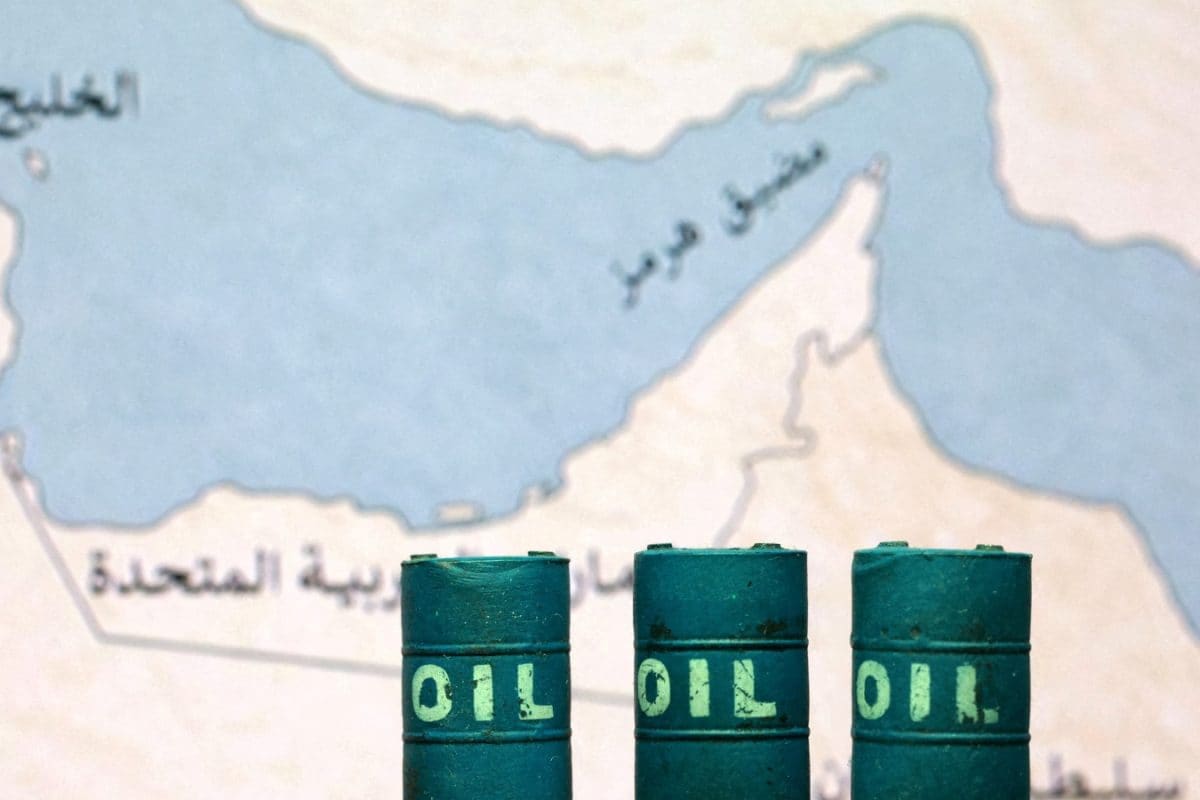
Image: News 18
Iran plans to restrict ship movements through the Strait of Hormuz to about 12 vessels per day and impose toll charges, potentially in cryptocurrency or Chinese yuan, as part of a ceasefire arrangement with the US. This move raises concerns over global energy supply, given the strait's significance in oil transport.
- 01Iran will allow only around a dozen ships to pass through the Strait of Hormuz daily.
- 02Toll charges may be paid in cryptocurrency or Chinese yuan, with supertankers facing fees up to $2 million per transit.
- 03Iran is implementing a tiered system favoring its own trade while restricting others based on origin.
- 04The move could reshape regional power dynamics and has raised concerns among Gulf nations.
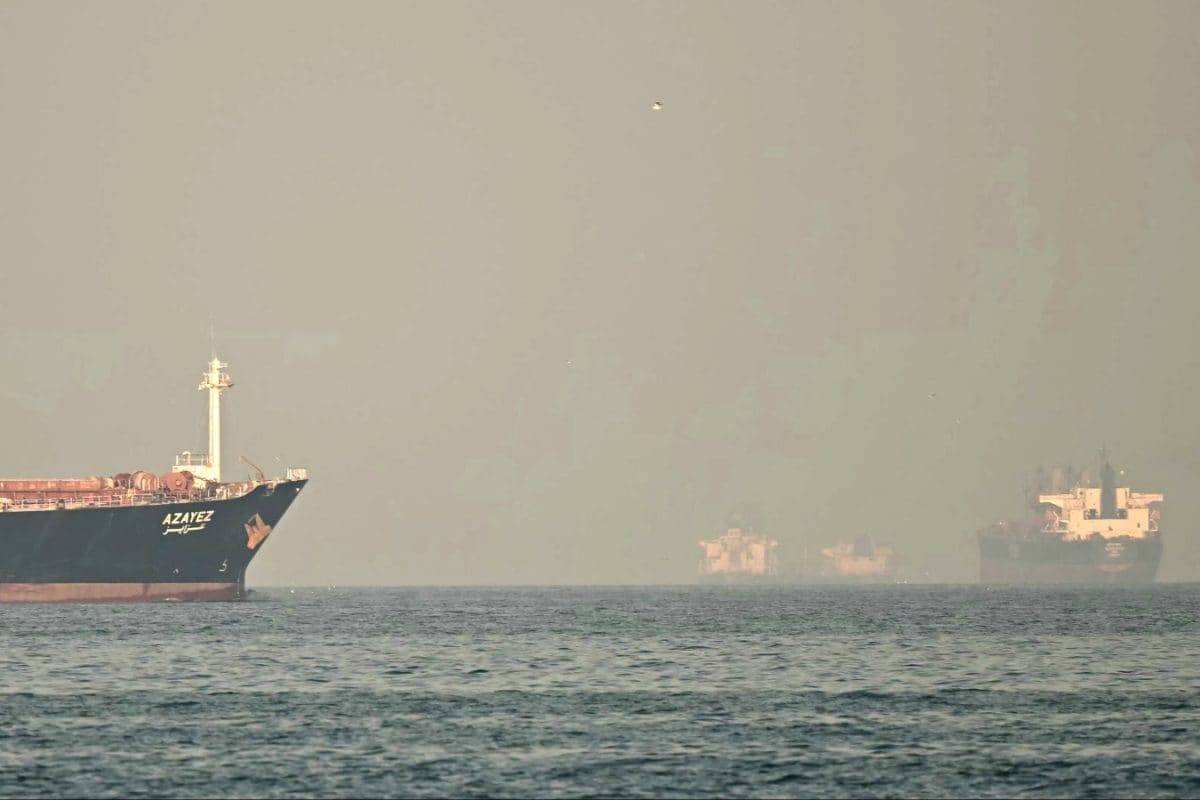
- 05Shipping activity has already decreased significantly, with only four vessels passing on a recent day.
Advertisement
In-Article Ad
Iran is set to enforce strict regulations on ship movements through the Strait of Hormuz, allowing only 12 ships daily, a drastic reduction from over 100 vessels previously. Under the ceasefire arrangement with the United States, ships will need to coordinate with the Islamic Revolutionary Guard Corps (IRGC) and pre-arrange toll payments, which could be made in cryptocurrency or Chinese yuan. The proposed toll system may charge supertankers up to $2 million per transit, with fees based on vessel size and cargo. Iran's new tiered system allows ships associated with its trade to pass freely while imposing charges on others based on their country of origin. This strategy marks a significant shift in Tehran's approach, leveraging control over the Strait to enhance its position during and after the conflict. Concerns have been raised among Gulf nations and global energy markets, as the Strait of Hormuz is a critical route for nearly 20% of the world's oil supply. Despite US calls for free navigation, Iran appears determined to maintain its control, potentially reshaping regional power dynamics.
Advertisement
In-Article Ad
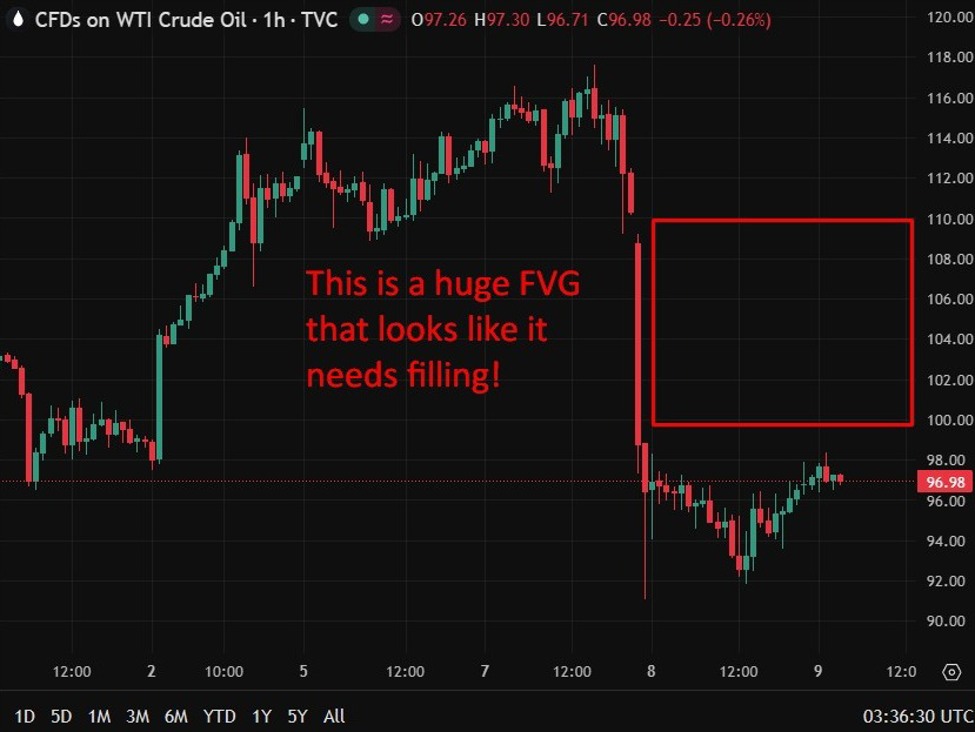
The restrictions and toll charges could lead to increased shipping costs and reduced oil supply, affecting global energy prices.
Advertisement
In-Article Ad
Reader Poll
Do you think Iran's toll charges will significantly impact global oil prices?
Connecting to poll...
More about Islamic Revolutionary Guard Corps
Read the original article
Visit the source for the complete story.