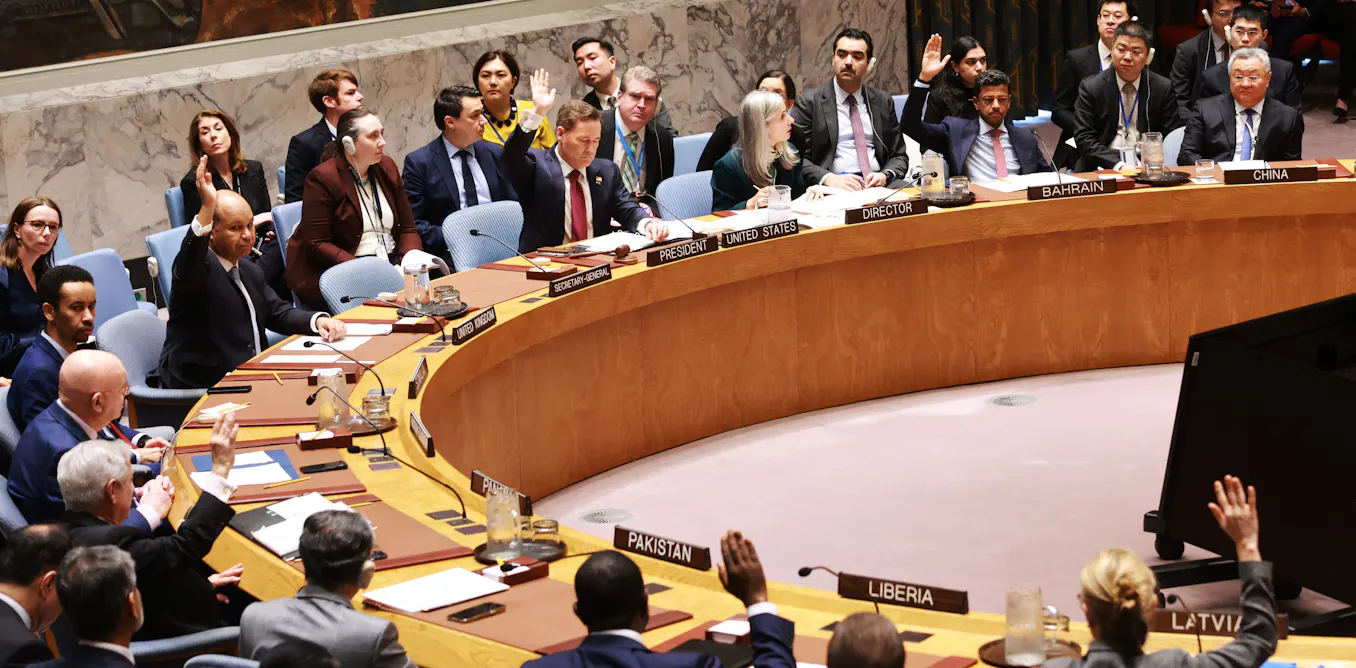


US-Iran Ceasefire: A Strategic Pause or a Dangerous Trap?
Opinion: Opinion | Deal Or 'Setup'? Why Both US And Iran Think This Ceasefire Could Be A Trap
 Ndtv
Ndtv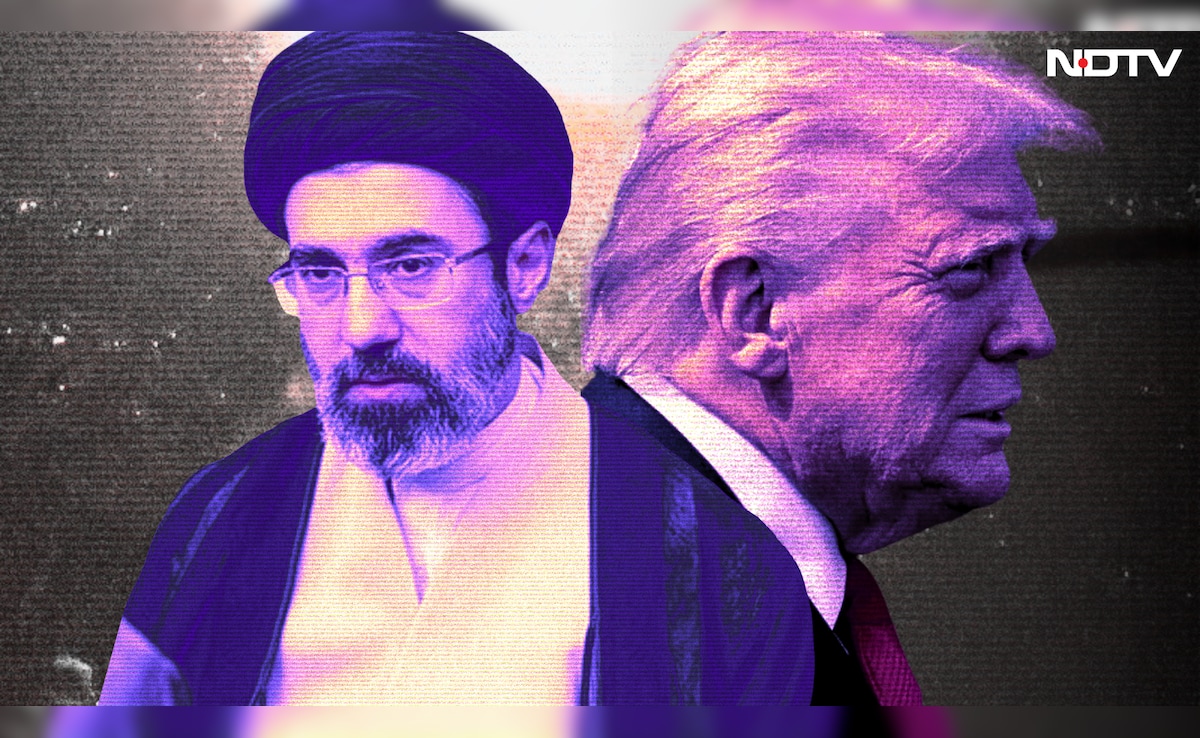
Image: Ndtv
The recent two-week ceasefire between the United States and Iran is seen as a temporary measure rather than a true resolution to their ongoing conflict. Initiated in February 2026, the ceasefire involves a trade-off of US and Israeli attacks for Iran's reopening of the Strait of Hormuz, crucial for global oil supply.
- 01The ceasefire is a temporary pause in escalating US-Iran tensions.
- 02It was initiated following American and Israeli strikes on Iran starting in February 2026.
- 03The agreement involves Iran reopening the Strait of Hormuz in exchange for a halt in US and Israeli attacks.
- 04The situation reflects a complex interplay of strategic necessity and diplomatic opportunity.
- 05Both parties may view the ceasefire as a potential trap rather than a long-term solution.
Advertisement
In-Article Ad
The two-week ceasefire between the United States and Iran represents a strategic pause rather than a genuine resolution to their conflict. This situation stems from escalating tensions that began in February 2026, marked by American and Israeli military strikes on Iranian targets. The ceasefire arrangement is based on a transactional exchange: the US and Israel will suspend their attacks in return for Iran reopening the Strait of Hormuz, a critical passage for global oil shipping that Iran had previously blocked, causing significant disruptions in oil markets. As both nations navigate this delicate situation, there are concerns that the ceasefire could be perceived as a trap, complicating the already tense relationship between the two countries.
Advertisement
In-Article Ad
Advertisement
In-Article Ad
Reader Poll
Do you believe the ceasefire between the US and Iran will lead to a lasting peace?
Connecting to poll...