




EU Warns of Potential Economic Shock from Extended Middle East Conflict
EU warns long Mideast war risks 'stagflationary shock' to world economy
 The Economic Times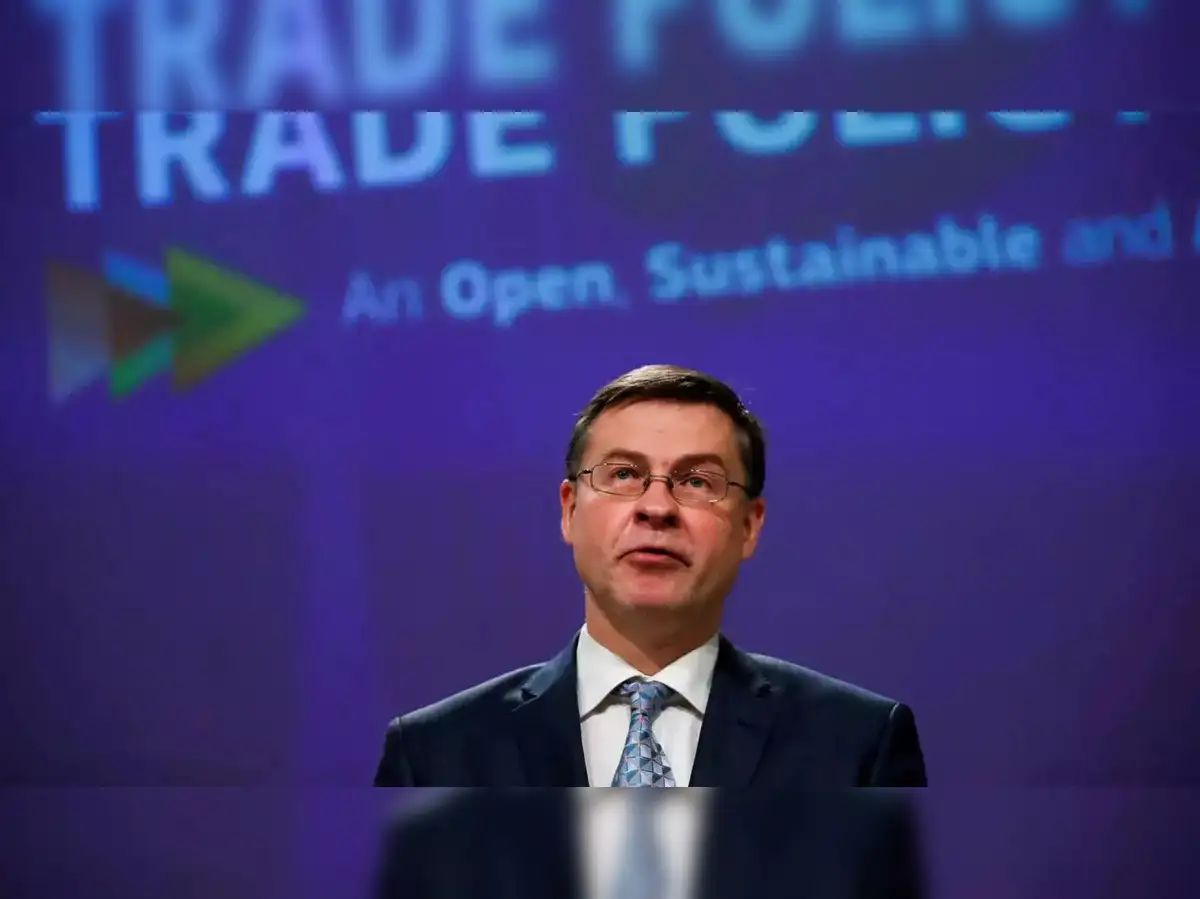
Image: The Economic Times
Valdis Dombrovskis, the European Union's economy commissioner, cautioned that a prolonged conflict in the Middle East could lead to a significant stagflationary shock affecting both the global and European economies. In contrast, a brief conflict may have minimal economic impact.
- 01A long war in the Middle East could trigger a stagflationary shock.
- 02Valdis Dombrovskis highlighted the risks to the global economy.
- 03A contained conflict might not significantly impact economic stability.
- 04Extended disruptions could lead to higher energy prices.
- 05The EU is closely monitoring the situation and its potential economic implications.
Advertisement
In-Article Ad
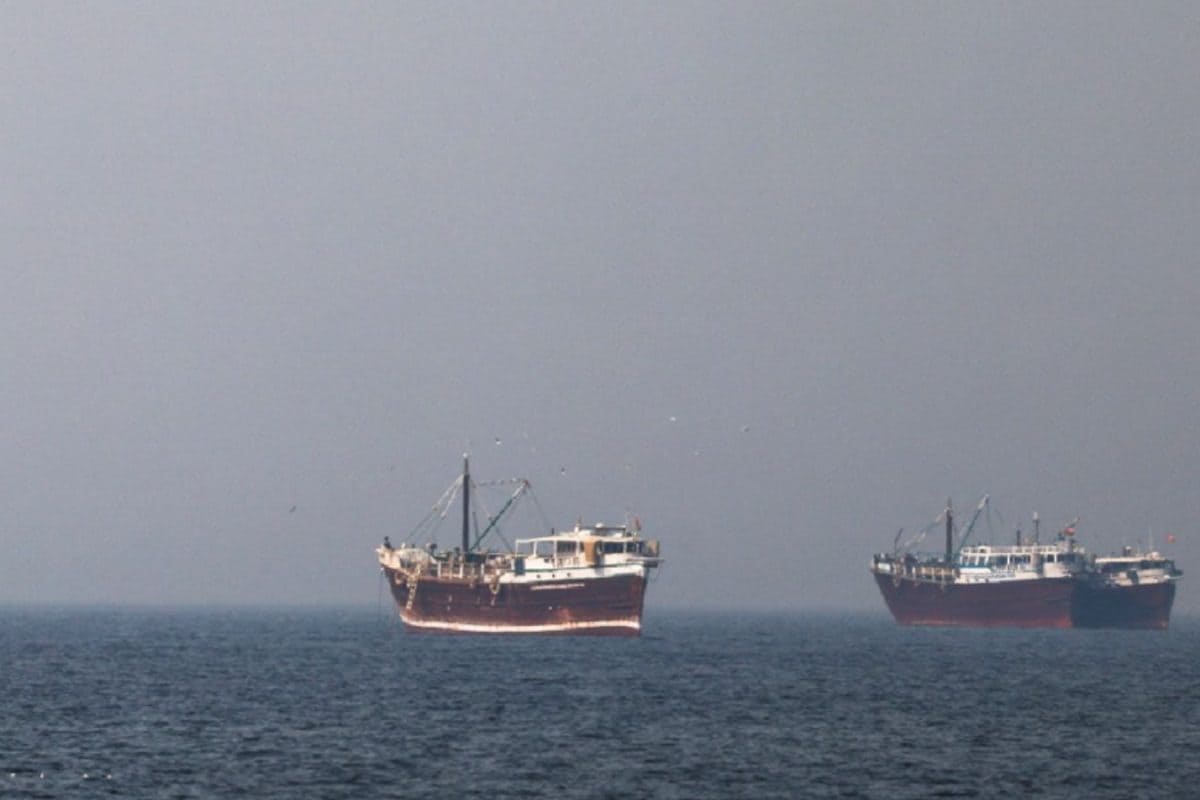
Valdis Dombrovskis, the European Union's economy commissioner, warned that an extended conflict in the Middle East could result in a substantial stagflationary shock to the global and European economies. He explained that if the conflict remains contained within a few weeks, its economic effects would likely be minimal. However, should the situation escalate, leading to ongoing maritime disruptions and attacks on Gulf energy infrastructure, the consequences could include significantly higher energy prices, impacting economic stability. The EU is actively monitoring the situation, recognizing the potential for serious repercussions on economic growth and inflation.
Advertisement
In-Article Ad
Higher energy prices could lead to increased costs for consumers and businesses across Europe, affecting everyday expenses and economic growth.
Advertisement
In-Article Ad
More about European Union
Read the original article
Visit the source for the complete story.