


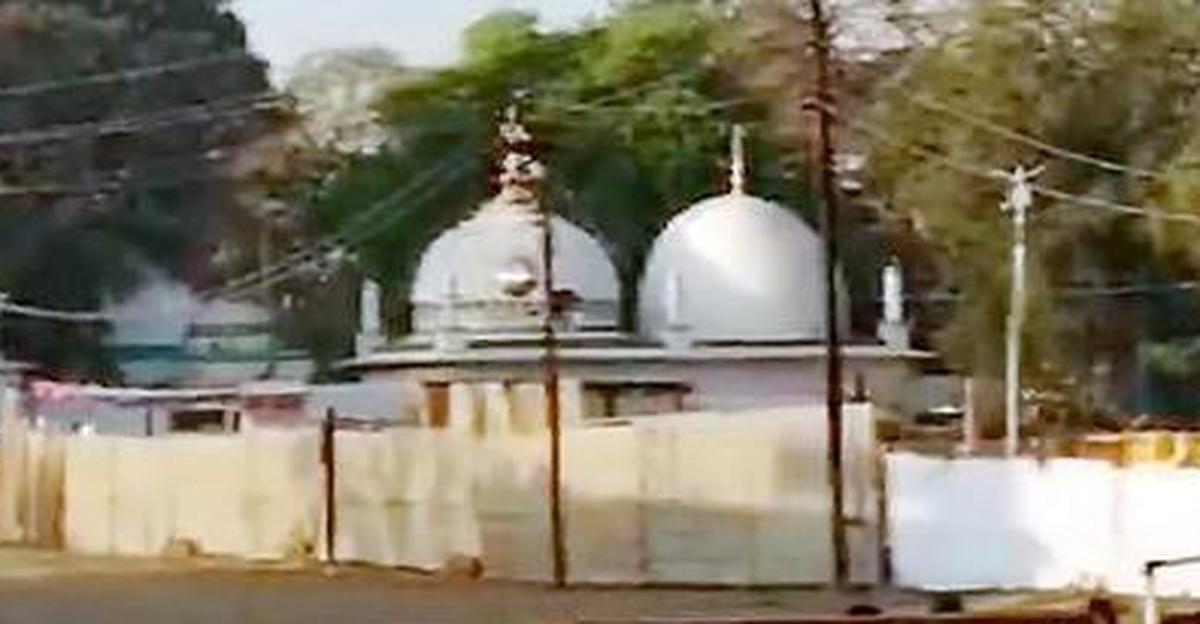
Madhya Pradesh High Court Begins Hearings on Bhojshala-Kamal Maula Mosque Dispute
‘We have to not go by general perception’: Madhya Pradesh HC begins hearings in Bhojshala-Kamal Maula Mosque dispute
 The Indian Express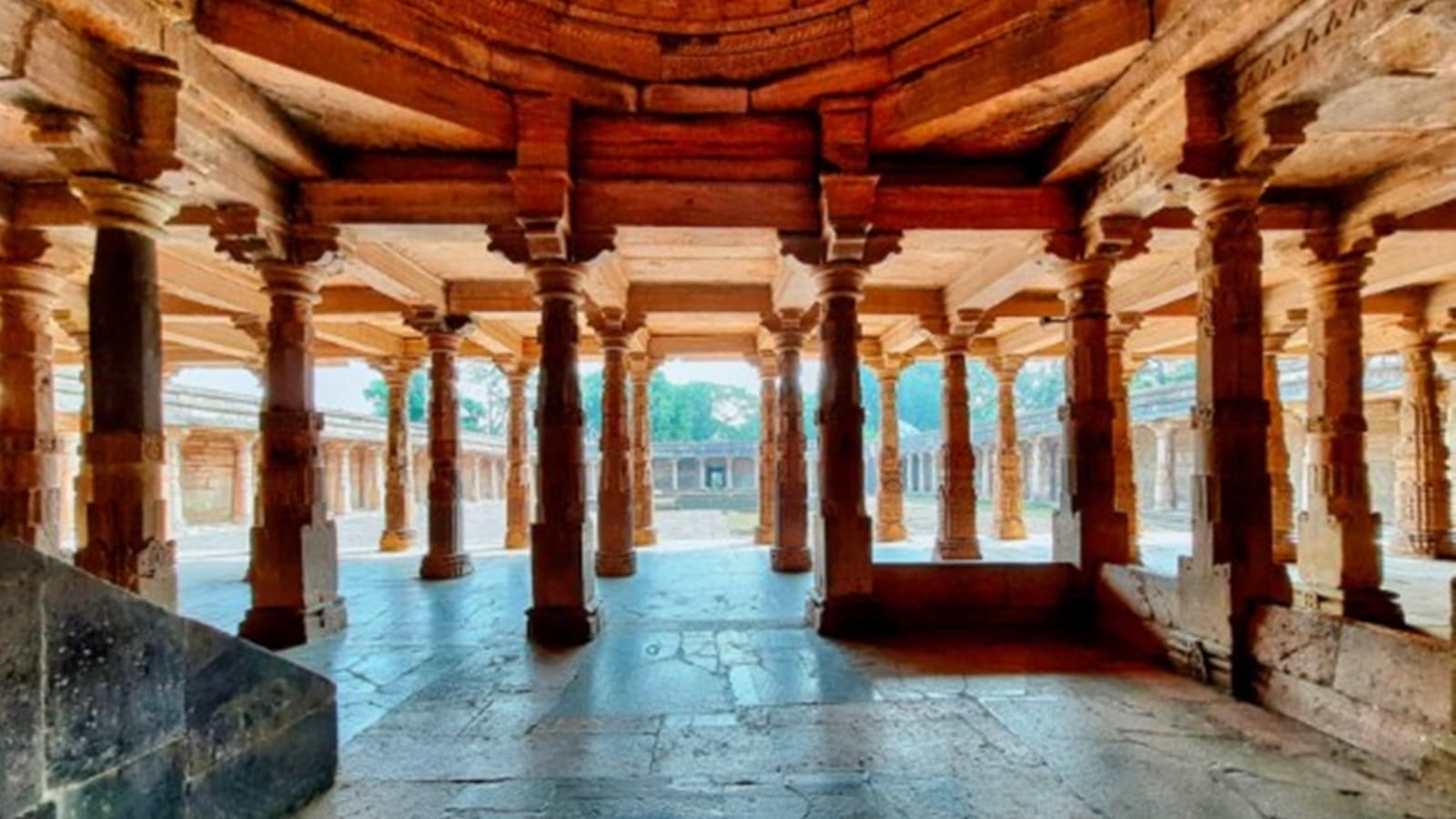
Image: The Indian Express
The Madhya Pradesh High Court has commenced daily hearings regarding the Bhojshala-Kamal Maula Mosque complex in Dhar district, amid competing claims from Hindu and Muslim communities. The court emphasized the need for evidence over general perceptions as arguments unfold about the site's historical significance and religious rights.
- 01The Madhya Pradesh High Court is hearing a case regarding the Bhojshala-Kamal Maula Mosque complex.
- 02Hindu advocates claim the site is a temple and seek exclusive rights for rituals.
- 03Muslim groups assert their rights to the mosque, with a historical arrangement allowing both communities to use the site.
- 04The court has called for evidence to support claims rather than relying on perceptions.
- 05An Archaeological Survey of India (ASI) report is being used to argue the site's historical context.
Advertisement
In-Article Ad
The Madhya Pradesh High Court has initiated daily hearings concerning the Bhojshala-Kamal Maula Mosque complex located in Dhar district, a site of contention between Hindu and Muslim communities. The court, led by Justices Vijay Kumar Shukla and Alok Awasthi, stressed the importance of evidence over general perceptions during the proceedings. Advocate Vishnu Shankar Jain, representing the petitioners, argued that the site should be recognized as a Hindu temple dedicated to Goddess Vagdevi (Saraswati), asserting that only Hindus have the fundamental right to perform rituals there under Article 25 of the Constitution of India. Jain presented photographs and historical inscriptions as evidence, claiming that the mosque cannot contain images of deities. The court has allowed both parties to submit historical reports to support their claims. The complex has a long history of competing claims, with an arrangement established in 2003 allowing Hindus to perform rituals on Tuesdays and Muslims to offer prayers on Fridays. An Archaeological Survey of India (ASI) investigation was ordered last year to clarify the site's historical significance.
Advertisement
In-Article Ad
The outcome of this case could redefine religious rights and access to the Bhojshala-Kamal Maula Mosque complex, affecting both Hindu and Muslim communities in Dhar.
Advertisement
In-Article Ad
Reader Poll
What do you think should be the basis for resolving religious disputes over historical sites?
Connecting to poll...
More about Archaeological Survey of India
Read the original article
Visit the source for the complete story.