Navigating Constitutional Challenges in Women’s Reservation Act
The many constitutional questions around Women’s Reservation Act
 The Indian Express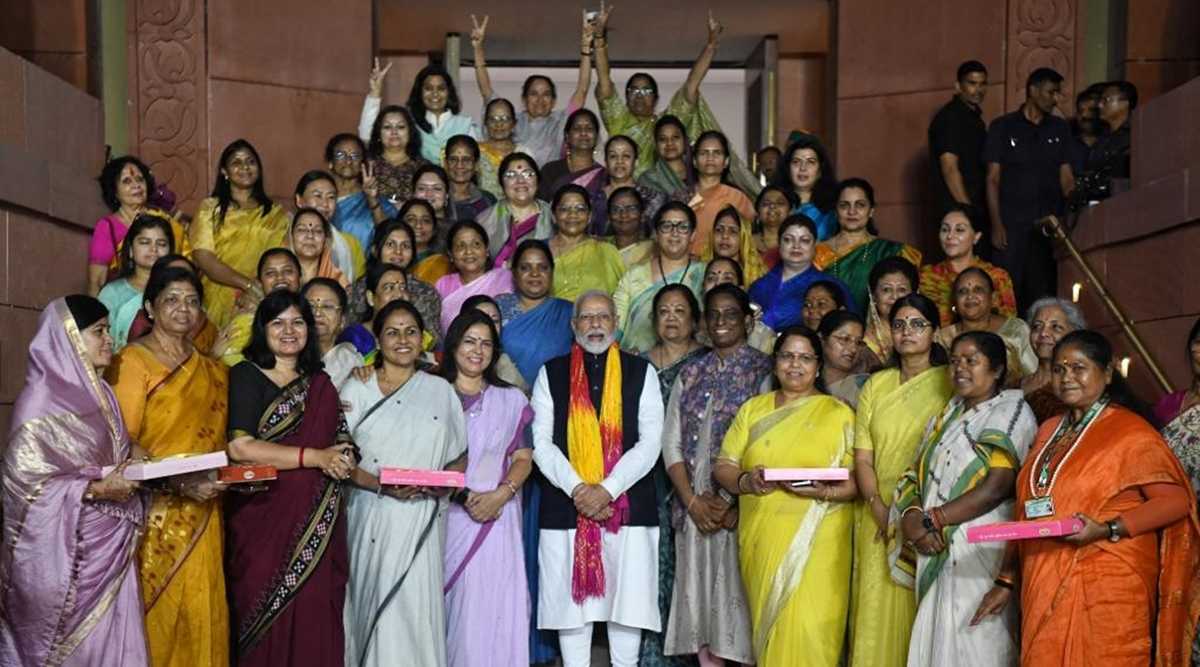
Image: The Indian Express
Context
The Women’s Reservation Act aims to reserve one-third of seats in the Lok Sabha and State Legislative Assemblies for women. Proposed amendments may alter the basis for implementing this reservation, raising concerns about representation and federal balance.
What The Author Says
The author argues that while the Women’s Reservation Act is a necessary reform, its implementation raises significant constitutional questions that must be addressed.
Key Arguments
📗 Facts
- The Constitution (106th Amendment) Act, 2023, reserves one-third of seats for women in the Lok Sabha and State Legislative Assemblies.
- The Lok Sabha may increase from 543 to 816 seats to accommodate the reservation.
- The 2011 Census is proposed as the basis for implementing the reservation, rather than the upcoming 2027 Census.
📕 Opinions
- The author believes that the amendments could undermine the representation of women by distorting demographic realities.
- The author suggests that the lack of transparency in the delimitation process raises serious concerns about the reform's legitimacy.
Counterpoints
The amendments could expedite women's representation.
By implementing the reservation sooner, the amendments may ensure that women gain political representation without further delays.
Using the 2011 Census is a pragmatic choice.
Conducting a new Census and delimitation may take significant time, and relying on existing data could facilitate quicker reforms.
Pro rata may maintain stability in representation.
Preserving the current distribution of seats could prevent political upheaval and maintain a sense of continuity in governance.
Bias Assessment
The author advocates for women's reservation but highlights potential flaws in the proposed implementation.
Why This Matters
The Parliament is set to discuss amendments to the Women’s Reservation Act, which could affect the political landscape ahead of the 2029 general elections. This reform has garnered broad support but poses complex constitutional challenges.
🤔 Think About
- •What are the long-term implications of using outdated population data?
- •How can the delimitation process be made more transparent and accountable?
- •What balance should be struck between expediency and constitutional integrity?
- •Could the pro rata formula lead to inequities in representation over time?
Opens original article on The Indian Express
Advertisement
In-Article Ad
Reader Poll
Do you support the proposed amendments to the Women’s Reservation Act?
Connecting to poll...