Gulf's Security Landscape: Rethinking Alliances in a Post-Trump Era
Opinion: Analysis: Islamic NATO Or Europe - Is Gulf Rethinking Its Options After Trump's 'Betrayal'?
 Ndtv
Ndtv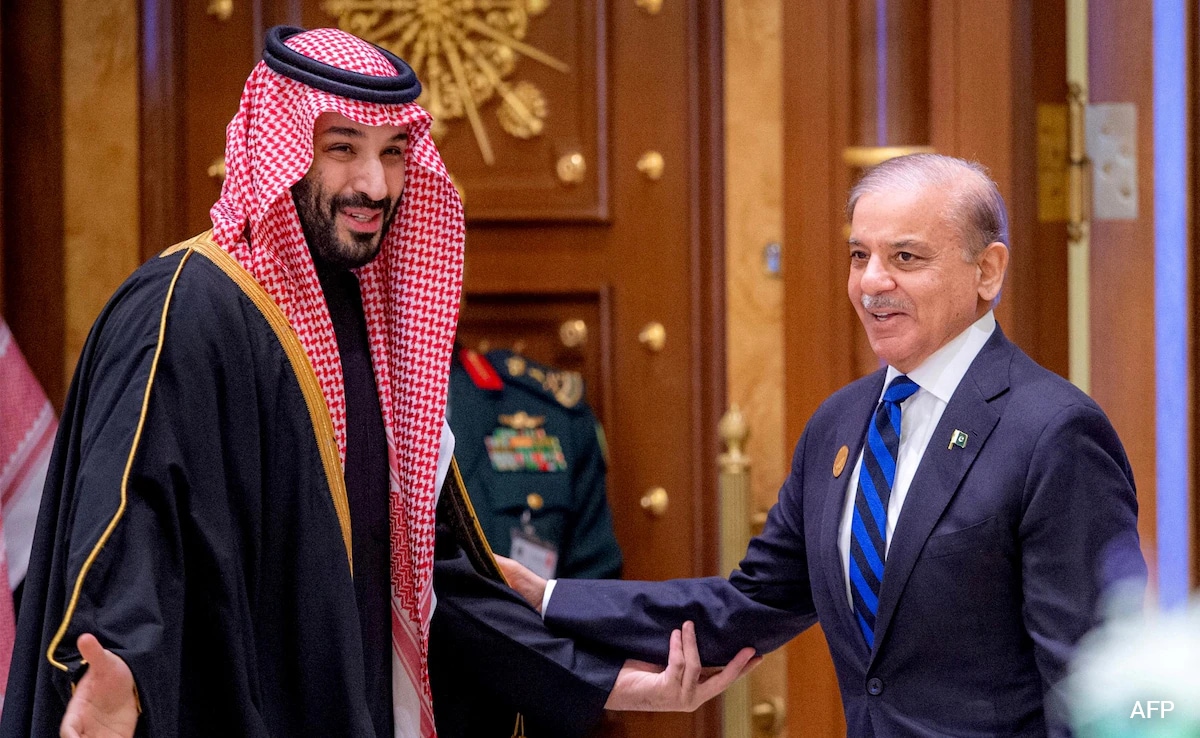
Image: Ndtv
Context
The Gulf Cooperation Council (GCC) comprises six Middle Eastern countries that have historically relied on U.S. security guarantees. Recent geopolitical shifts, particularly Trump's actions and rhetoric, have prompted these nations to reconsider their strategic partnerships.
What The Author Says
The author contends that the Gulf countries are reassessing their security alliances due to the unpredictability of U.S. foreign policy under Donald Trump, particularly regarding Iran.
Key Arguments
📗 Facts
- In April 2023, a ceasefire was brokered by Pakistan's Prime Minister Shehbaz Sharif amid escalating tensions in the Gulf.
- The Gulf Cooperation Council (GCC) includes Saudi Arabia, Qatar, Kuwait, Bahrain, the UAE, and Oman.
- Trump withdrew the U.S. from the Joint Comprehensive Plan of Action (JCPOA) in 2018, which was aimed at curbing Iran's nuclear program.
📕 Opinions
- The author believes that Trump's prioritization of Israel's interests over those of the GCC has caused disillusionment among Gulf nations.
- The author suggests that despite Europe's military dependency on the U.S., it could still offer a viable partnership for Gulf countries.
Counterpoints
The U.S. remains a crucial ally despite Trump's actions.
Many Gulf countries still see the U.S. as a vital partner for security, especially against Iranian aggression.
Europe's military capabilities are limited.
Europe's reliance on U.S. defense systems may hinder its ability to act independently as a security partner for the Gulf.
An Islamic NATO could enhance regional security.
A collaborative military alliance among Islamic nations could provide a stronger deterrent against external threats, including from Iran.
Bias Assessment
The author's perspective may lean towards highlighting Gulf concerns while critiquing Western policies.
Why This Matters
The ongoing conflict in the Gulf and the recent ceasefire brokered by Pakistan highlight the fragility of regional security dynamics. The implications of U.S. foreign policy decisions are reshaping alliances in a critical area for global energy supply.
🤔 Think About
- •How might Gulf nations balance their relations between the U.S. and Europe?
- •What are the potential risks of an Islamic NATO for regional stability?
- •Could Trump's foreign policy lead to a long-term shift in Gulf security strategies?
- •How do historical conflicts shape current alliances in the Gulf region?
Opens original article on Ndtv
Advertisement
In-Article Ad
Reader Poll
Should Gulf countries shift their alliances away from the U.S.?
Connecting to poll...
More about Gulf Cooperation Council
India and Saudi Arabia Enhance Trade Ties Amid Energy Supply Challenges
The Economic Times • Apr 11, 2026
India and Saudi Arabia Discuss Strengthening Trade Amid Supply Chain Disruptions
The Economic Times • Apr 11, 2026
Piyush Goyal Engages with Kuwait and UAE to Address Trade Disruptions Amid West Asia Crisis
The Economic Times • Apr 10, 2026