



Gujarat High Court Implements AI Policy to Ensure Human Oversight in Judiciary
Gujarat High Court issues AI policy; bans use in decision-making, mandates human oversight
 The Indian Express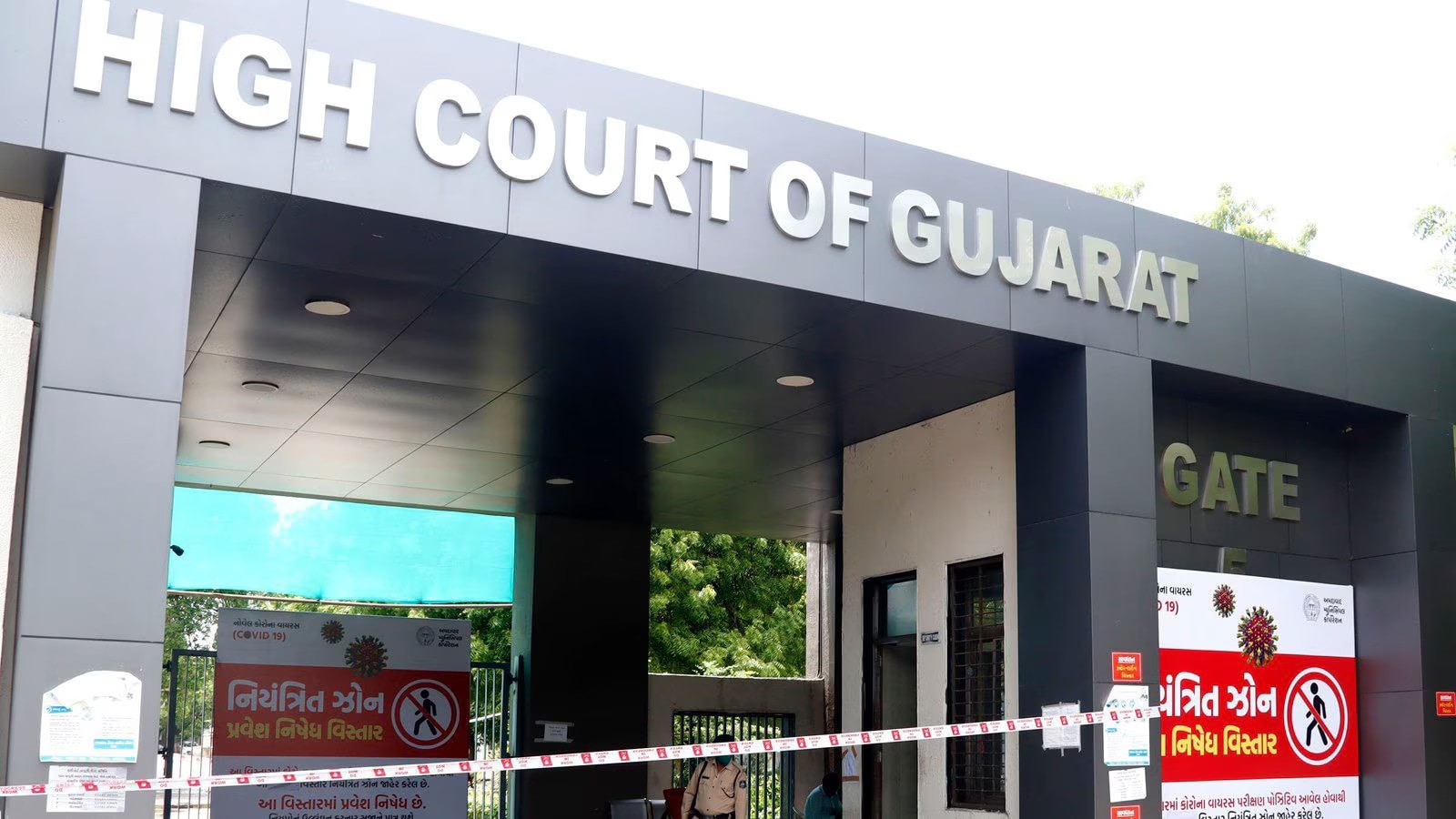
Image: The Indian Express
The Gujarat High Court has established a new policy regulating artificial intelligence (AI) use in judicial functions, prohibiting its use in decision-making and requiring human oversight. This policy aims to protect privacy and maintain judicial integrity, making it the second High Court in India to formalize such guidelines after Kerala.
- 01The policy bans AI in judicial decision-making and mandates human oversight.
- 02AI can be used for administrative tasks like document translation and legal research.
- 03Confidential case data cannot be fed into public AI platforms.
- 04Violations of the policy will be treated as professional misconduct.
- 05The policy aligns with the 'Human in the Loop' concept, ensuring human accountability.
Advertisement
In-Article Ad
On Saturday, the Gujarat High Court introduced a comprehensive policy regulating the use of artificial intelligence (AI) in its judicial and administrative functions. This policy prohibits the application of AI in judicial decision-making, evaluating evidence, or drafting substantive orders, emphasizing the need for human oversight. While it allows judges and court staff to use AI for administrative tasks, such as translating documents and managing cause lists, it mandates that a qualified human officer must verify any AI-generated outputs. The policy also prohibits the entry of confidential case data into public AI platforms to safeguard privacy. This initiative makes the Gujarat High Court the second in India to formalize an AI policy, following the Kerala High Court's similar policy issued in July 2025. The overarching philosophy of the Gujarat policy is to uphold the constitutional mandate of justice through human conscience, ensuring judicial independence and confidentiality. Any breach of this policy will be considered professional misconduct, leading to disciplinary action. The policy reflects concerns highlighted in a Supreme Court white paper regarding the risks of AI in the judiciary, including algorithmic bias and privacy violations, reinforcing the principle that ultimate responsibility for judicial actions lies with human judges.
Advertisement
In-Article Ad
This policy ensures that judicial processes remain transparent and accountable, protecting litigants' rights and privacy.
Advertisement
In-Article Ad
Reader Poll
Do you support the use of AI in judicial processes with human oversight?
Connecting to poll...
More about Gujarat High Court
Gujarat High Court Upholds Right to Electoral Participation for Ahmedabad Resident
The Indian Express • Apr 8, 2026

Gujarat High Court Introduces Policy on AI Use in Judiciary
The Indian Express • Apr 4, 2026

Justice Vikram Nath Advocates for Live Streaming in Courts to Enhance Legal Literacy
The Indian Express • Apr 4, 2026
Read the original article
Visit the source for the complete story.