





RBI's Strategies to Stabilize the Rupee Amid Currency Volatility
USD Vs INR: 5 tools that are at RBI’s disposal to check rupee slide
 The Economic Times
Image: The Economic Times
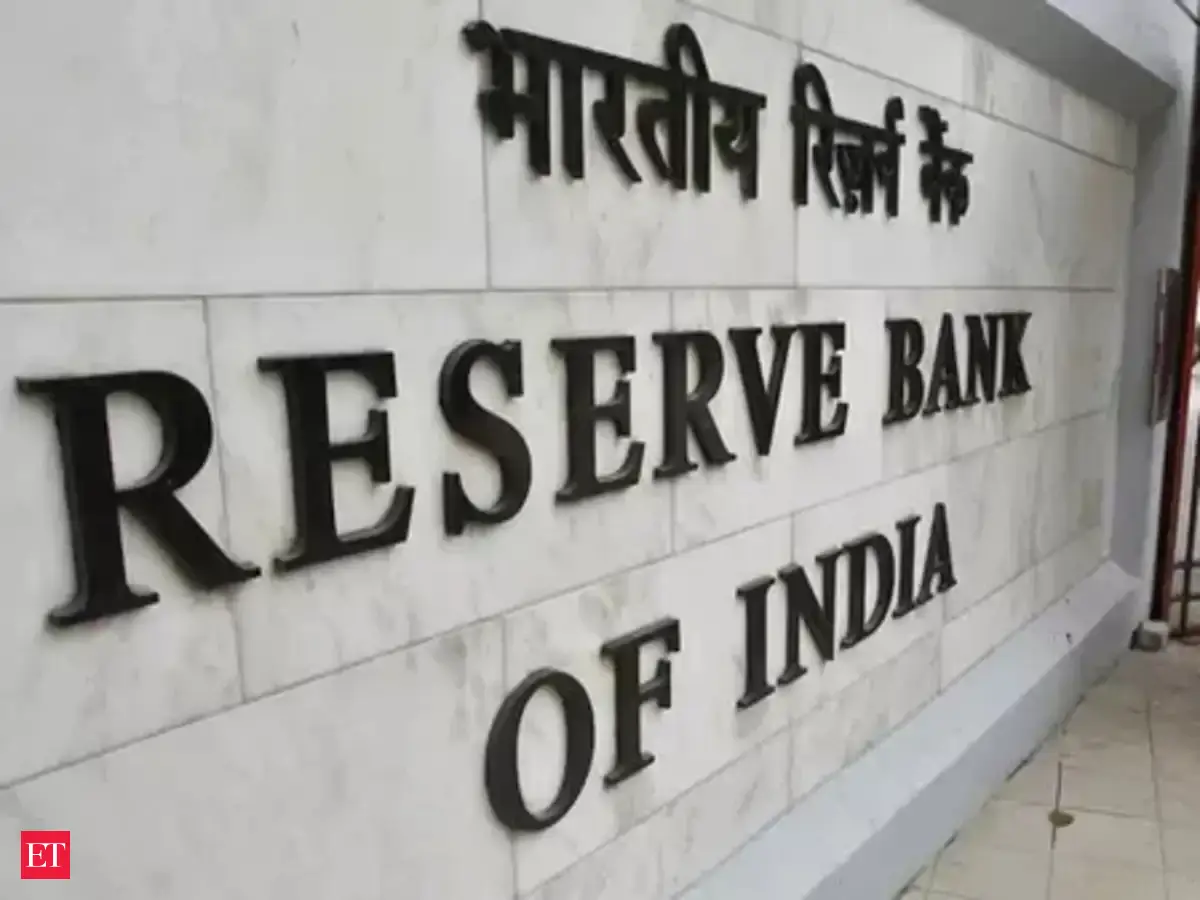
The Reserve Bank of India (RBI) has implemented measures to strengthen the Indian rupee, including a ban on non-deliverable forwards (NDFs) and potential dollar swap windows for oil refiners. These actions aim to mitigate volatility in the currency markets ahead of the RBI's upcoming rate decision on April 8.
- 01RBI banned banks from offering rupee non-deliverable forwards (NDFs) to stabilize the currency.
- 02The central bank may open a dollar swap window for oil refiners to reduce demand pressure.
- 03RBI has substantial forex reserves of about $700 billion to facilitate market interventions.
- 04Accessing the US Federal Reserve's FIMA repo facility could provide additional dollar liquidity.
- 05The RBI may consider increasing the cash reserve ratio (CRR) to manage liquidity.
Advertisement
In-Article Ad
The Reserve Bank of India (RBI) has taken decisive action to stabilize the Indian rupee, which has faced significant pressure in recent weeks. By banning banks from offering non-deliverable forwards (NDFs), a key offshore trading instrument, the RBI has aimed to curb speculative trading and support the domestic currency. This move resulted in the rupee's largest gains since 2013. With a daily demand of $250–300 million from oil refiners, the RBI is considering opening a dedicated dollar swap window to alleviate pressure on the rupee. Additionally, the RBI has forex reserves of approximately $700 billion, allowing it to intervene directly in currency markets by selling dollars and buying rupees to reduce volatility. If the situation worsens, the RBI may utilize the US Federal Reserve's Foreign and International Monetary Authorities (FIMA) repo facility to access dollars. Furthermore, raising dollar funds from non-resident Indians (NRIs) and increasing the cash reserve ratio (CRR) are also potential strategies being evaluated.
Advertisement
In-Article Ad
The RBI's measures could stabilize the rupee, potentially impacting import costs and inflation for everyday consumers. A stronger rupee may lead to lower prices for imported goods, benefiting consumers.
Advertisement
In-Article Ad
Reader Poll
Do you think the RBI's measures will effectively stabilize the rupee?
Connecting to poll...
More about Reserve Bank of India
Read the original article
Visit the source for the complete story.