



RBI's Monetary Policy Committee Begins Deliberations Amid West Asia Crisis
RBI MPC 2026: Rate-setting panel starts deliberations amid West Asia crisis; decision on Wednesday
 The Economic Times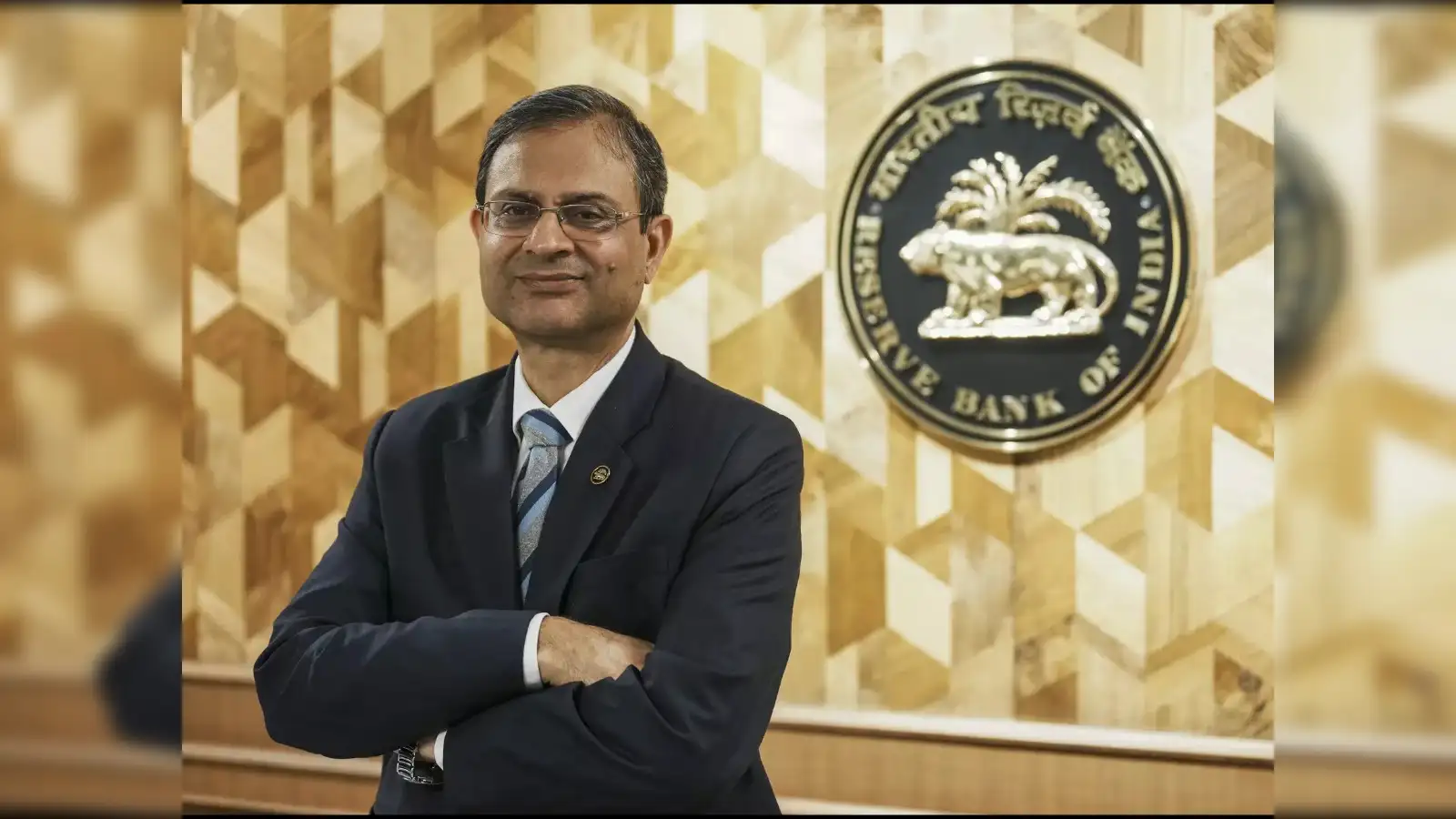
Image: The Economic Times
The Reserve Bank of India's Monetary Policy Committee (MPC) commenced a three-day meeting on Monday to discuss the upcoming bi-monthly monetary policy, with expectations of maintaining the current benchmark lending rate. The decision will be announced on Wednesday, amid inflation concerns stemming from the ongoing crisis in West Asia.
- 01The MPC is expected to maintain the benchmark lending rate amid inflation concerns.
- 02Geopolitical tensions in West Asia and rising crude oil prices are key factors influencing the decision.
- 03Retail inflation rose to 3.21% in February, up from 2.74% in January.
- 04The RBI has cut rates by 125 basis points since February 2025, marking a significant easing cycle.
- 05The government has tasked the RBI to maintain inflation at 4% with a margin of 2% until March 2031.
Advertisement
In-Article Ad
The Reserve Bank of India's Monetary Policy Committee (MPC), led by Governor Sanjay Malhotra, began its deliberations on Monday for the first bi-monthly monetary policy of the fiscal year. Analysts anticipate that the committee will maintain the current benchmark lending rate due to concerns over inflation driven by the ongoing crisis in West Asia. Since February 2025, the RBI has implemented a total of 125 basis points in rate cuts, reflecting its most aggressive easing cycle since 2019. The last rate cut occurred in December, with the committee opting to hold rates steady in its previous meeting in February. Experts are particularly concerned about the impact of rising global crude oil prices, which have surged to over $100 per barrel, potentially increasing domestic inflation by up to 0.60% for every $10 rise in crude prices. Furthermore, the Indian rupee has depreciated by over 4% since the onset of the conflict, exacerbating import inflation. The MPC is expected to adopt a cautious tone, emphasizing the need to monitor geopolitical tensions and their effects on inflation, as well as liquidity conditions and financial market stability. The government has mandated the RBI to keep retail inflation around 4% with a tolerance range of 2%, a framework established since 2016.
Advertisement
In-Article Ad
The decision on interest rates will influence borrowing costs for consumers and businesses, potentially affecting home loans and other credit products.
Advertisement
In-Article Ad
Reader Poll
Do you think the RBI should change interest rates in response to rising inflation?
Connecting to poll...
More about Reserve Bank of India

RBI Maintains Foreign Portfolio Investment Limits for Government Securities in FY27
News 18 • Apr 6, 2026
Sebi and RBI Collaborate to Mitigate Market Volatility for Indian Companies
The Economic Times • Apr 6, 2026

RBI Poised for Rate Cuts Amid Global Uncertainty, Says Finance Minister Nirmala Sitharaman
The Economic Times • Apr 6, 2026
Read the original article
Visit the source for the complete story.