



India's Economic Resilience Amid West Asia Conflict: Finance Minister
West Asia conflict threatens global energy arteries; prudent economic handling over a decade allows India to keep space for capex: FM
 The Economic Times
Image: The Economic Times
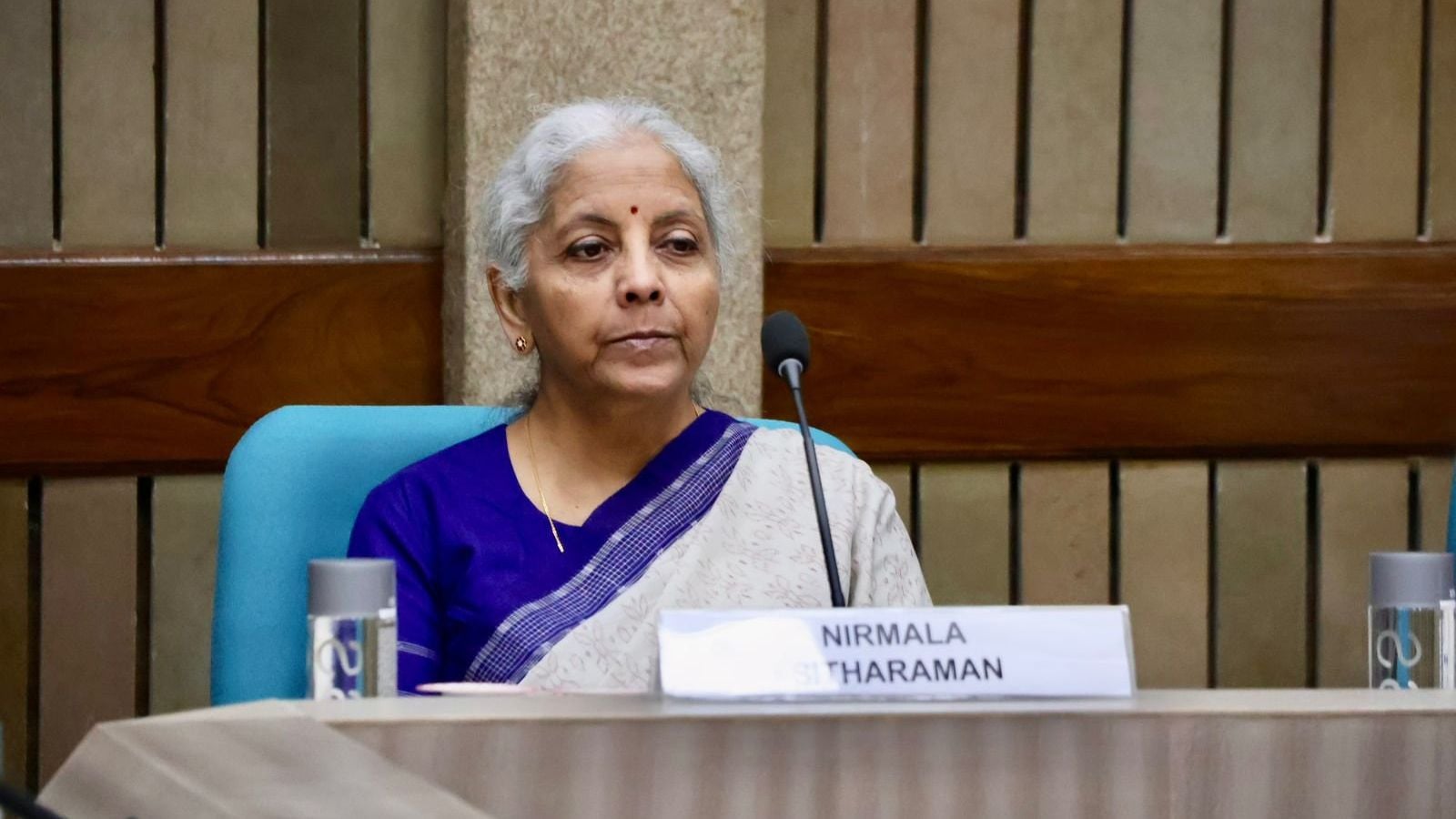
Finance Minister Nirmala Sitharaman highlighted that the ongoing conflict in West Asia poses a threat to global energy supply chains. However, India's prudent economic management over the past decade has positioned it to maintain capital expenditure and manage external challenges effectively, boasting the lowest debt-to-GDP ratio among major economies, except Germany.
- 01The West Asia conflict is impacting global energy security.
- 02India maintains a low debt-to-GDP ratio of 81%, allowing fiscal flexibility.
- 03Prudent fiscal policies over the last decade have positioned India favorably.
- 04India's foreign exchange reserves exceed $688 billion, providing robust import cover.
- 05The debt outlook for advanced economies is worsening compared to India's.
Advertisement
In-Article Ad
During the inaugural address at the golden jubilee of the National Institute of Public Finance and Policy, Finance Minister Nirmala Sitharaman stated that the conflict in West Asia has escalated into a significant threat to global energy routes and is reshaping the multipolar world order. She emphasized that India's strategic economic management over the past decade has allowed the country to sustain elevated capital expenditure and offer targeted support to sectors affected by external pressures. With a debt-to-GDP ratio of 81%, India stands out among major economies, except for Germany, which provides it with the capacity to maneuver in challenging times. Sitharaman noted that while global debt has surged to 95% of GDP, India's ratio is projected to decline to 75.8% by 2030, according to the International Monetary Fund. Additionally, India's external debt-to-GDP ratio is a mere 19.1%, among the lowest in emerging markets, supported by foreign exchange reserves of over $688 billion, which cover approximately 11 months of imports. This prudent fiscal approach is not merely about austerity but involves efficient and transparent spending, enhancing India's ability to respond to economic downturns.
Advertisement
In-Article Ad
India's sound fiscal management means that the government can continue to invest in infrastructure and support sectors affected by global instability, potentially leading to job creation and economic growth.
Advertisement
In-Article Ad
Reader Poll
Do you believe India's fiscal policies can withstand global economic challenges?
Connecting to poll...
More about National Institute of Public Finance and Policy
Read the original article
Visit the source for the complete story.