


NASA's Artemis II: A New Moon Mission Amid Global Challenges
Why is NASA bothering to go back to the Moon if we've already been there?
 Ars Technica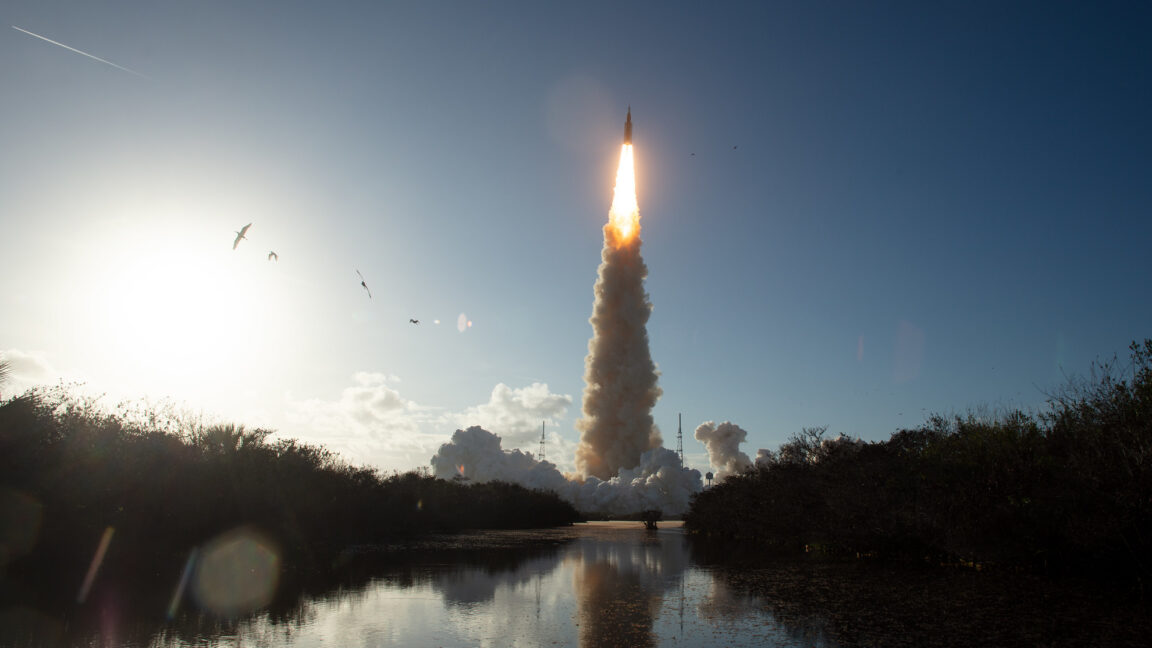
Image: Ars Technica
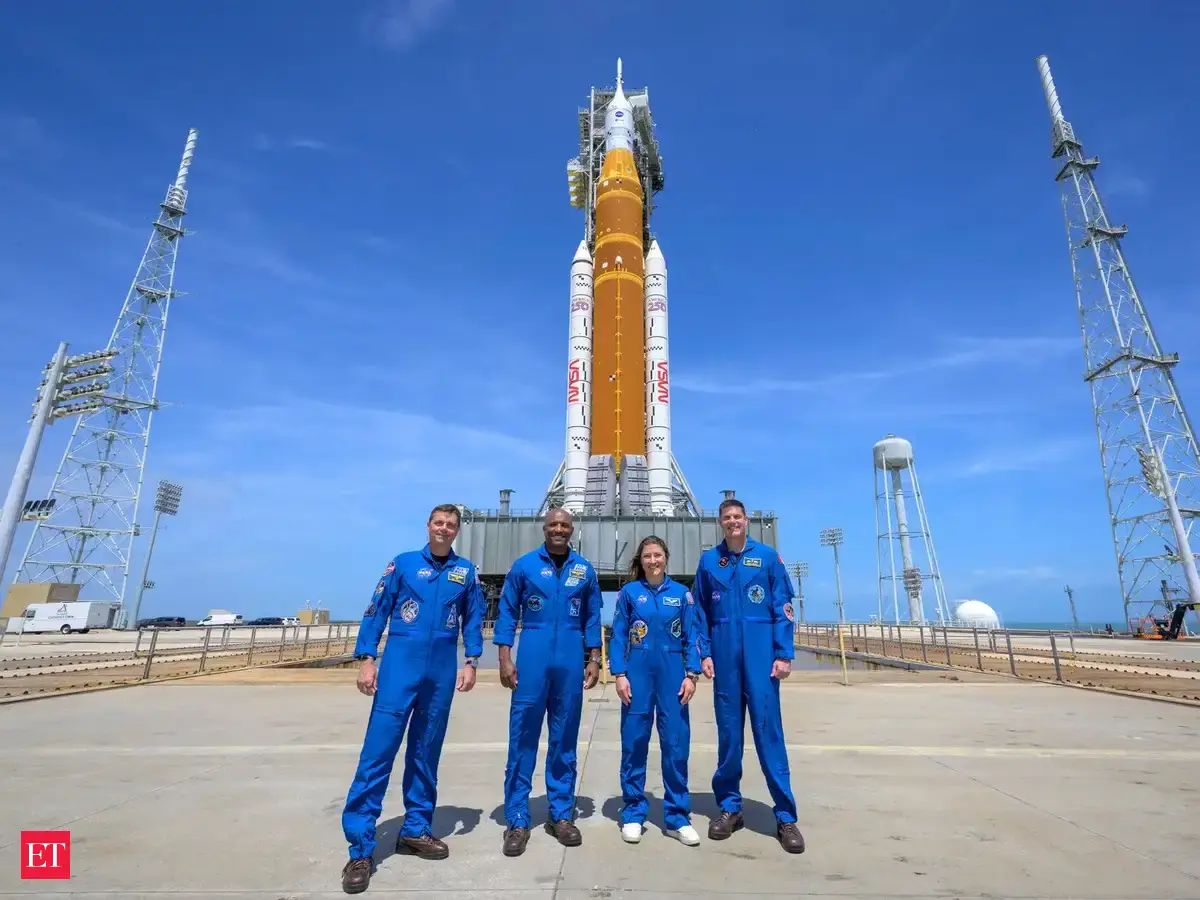
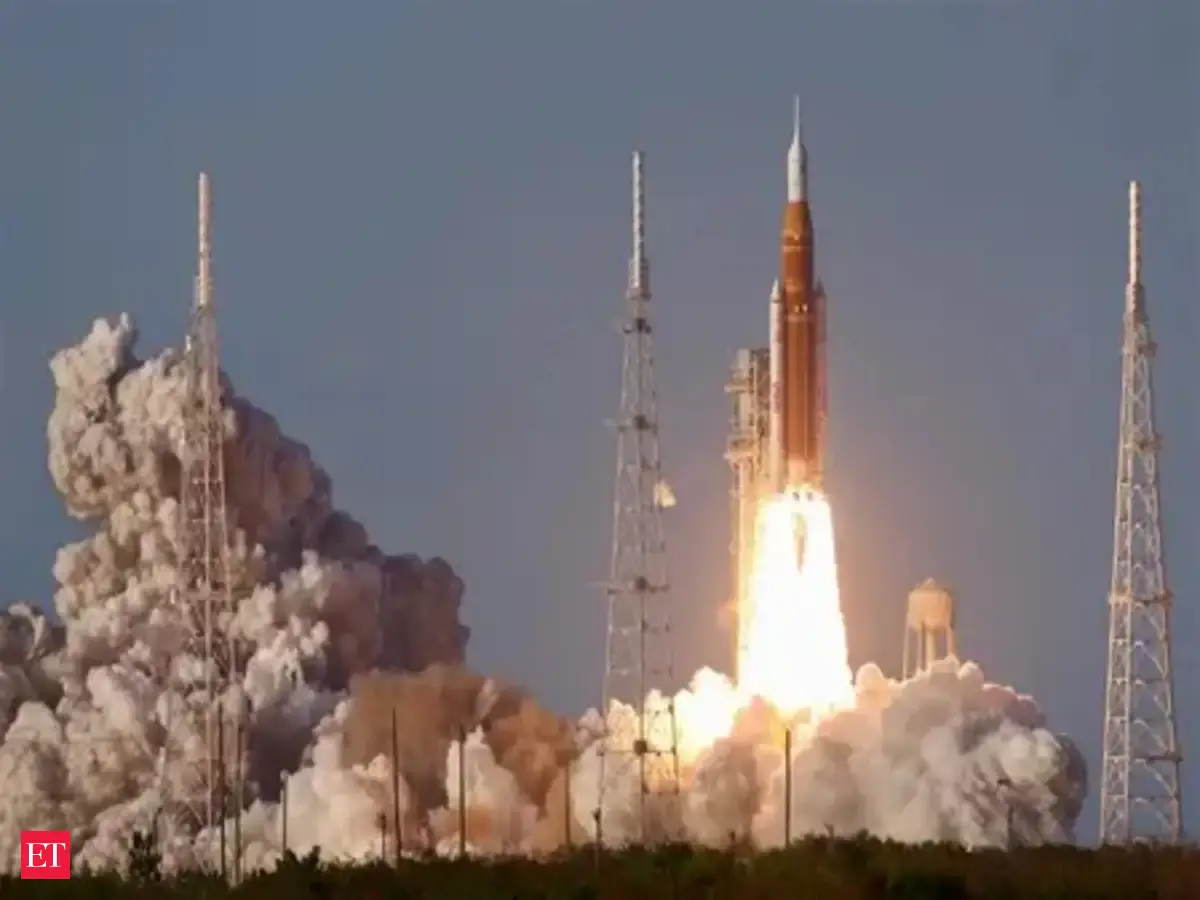
NASA's Artemis II mission sends four astronauts to the Moon, reflecting a world grappling with various issues similar to the 1960s. Despite the historical significance, the mission's global impact appears limited compared to the Apollo era, with an estimated 16 million viewers tuning in for the launch.
- 01Artemis II sends four astronauts to the Moon, echoing the spirit of the Apollo missions.
- 02The launch occurs during a time of global unrest, reminiscent of the 1960s.
- 03Viewership for Artemis II is estimated at 16 million, significantly lower than Apollo's reach.
- 04Media landscape has drastically changed since the 1960s, affecting public engagement.
- 05The mission's global impact is questioned in light of today's diverse media options.
Advertisement
In-Article Ad
NASA's Artemis II mission, which launched four astronauts towards the Moon, aims to rekindle the spirit of exploration during a time of global challenges. The mission echoes the Apollo era, which united a fractured United States in 1968. However, the media landscape has changed dramatically since then, with the launch attracting an estimated 16 million viewers across various platforms, a stark contrast to the massive global audience during the Apollo missions. The world population has nearly doubled since the 1960s, yet Artemis II's viewership does not reflect a similar global event. As younger generations engage more with content creation than consumption, the significance of such missions may not resonate as broadly today. The question remains whether Artemis II can inspire a new generation in the same way the Apollo missions did.
Advertisement
In-Article Ad
Advertisement
In-Article Ad
Reader Poll
Do you think space exploration is still relevant today?
Connecting to poll...
More about NASA
Read the original article
Visit the source for the complete story.