




Understanding Primary Amenorrhea: What to Know if You've Never Had a Period by Age 24
‘I am 24 years old now and still haven’t got my period yet, like never ever. Is it normal?’
 The Indian Express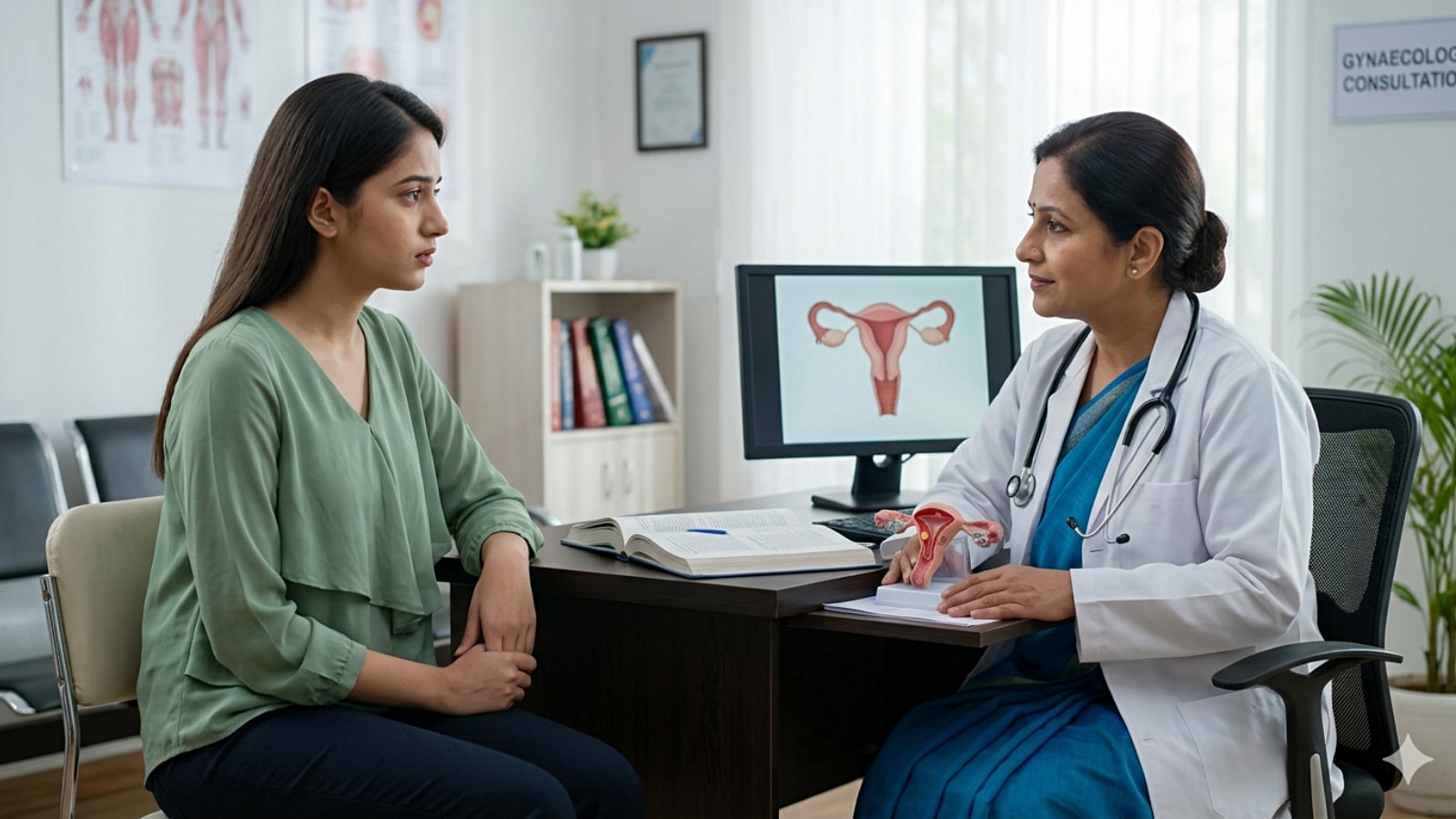
Image: The Indian Express
A 24-year-old user on Quora expressed concern about never having had her period, prompting medical insights on primary amenorrhea. Experts emphasize that this condition is not normal and requires medical evaluation to identify potential hormonal, structural, or lifestyle-related causes.
- 01Primary amenorrhea is the medical term for never having a period by age 24.
- 02Common causes include hormonal imbalances, genetic conditions, and lifestyle factors.
- 03Fertility may be affected, but many underlying issues can be treated.
- 04Consulting a gynecologist is crucial for diagnosis and management.
- 05Timely medical intervention can help address and treat the condition effectively.
Advertisement
In-Article Ad
A Quora user raised concerns about never having her period at age 24, leading to insights from Dr. Ruchi Srivastava, Director of Obstetrics and Gynaecology at ShardaCare–Healthcity. She explained that primary amenorrhea, defined as the absence of menstruation, is not normal and typically indicates an underlying medical issue that requires investigation. Potential causes include hormonal imbalances, conditions like Polycystic Ovary Syndrome (PCOS), thyroid disorders, and structural issues. Lifestyle factors such as low body weight, excessive exercise, and stress may also play a role. While primary amenorrhea can affect fertility, many women can conceive with appropriate treatment. Treatment options vary based on the underlying cause and may include hormonal therapy, lifestyle changes, or surgery. Dr. Srivastava emphasizes the importance of consulting a gynecologist for proper evaluation and management, as early diagnosis is key to effective treatment.
Advertisement
In-Article Ad
Understanding primary amenorrhea is crucial for women experiencing menstrual irregularities, as it can lead to timely medical intervention and treatment.
Advertisement
In-Article Ad
Reader Poll
Have you or someone you know experienced primary amenorrhea?
Connecting to poll...
Read the original article
Visit the source for the complete story.