

Supreme Court Addresses Religious Practices and Judicial Intervention in Sabarimala Case
Courts cannot hollow out religion in the name of social reforms, says Supreme Court
 Hindustan Times
Image: Hindustan Times
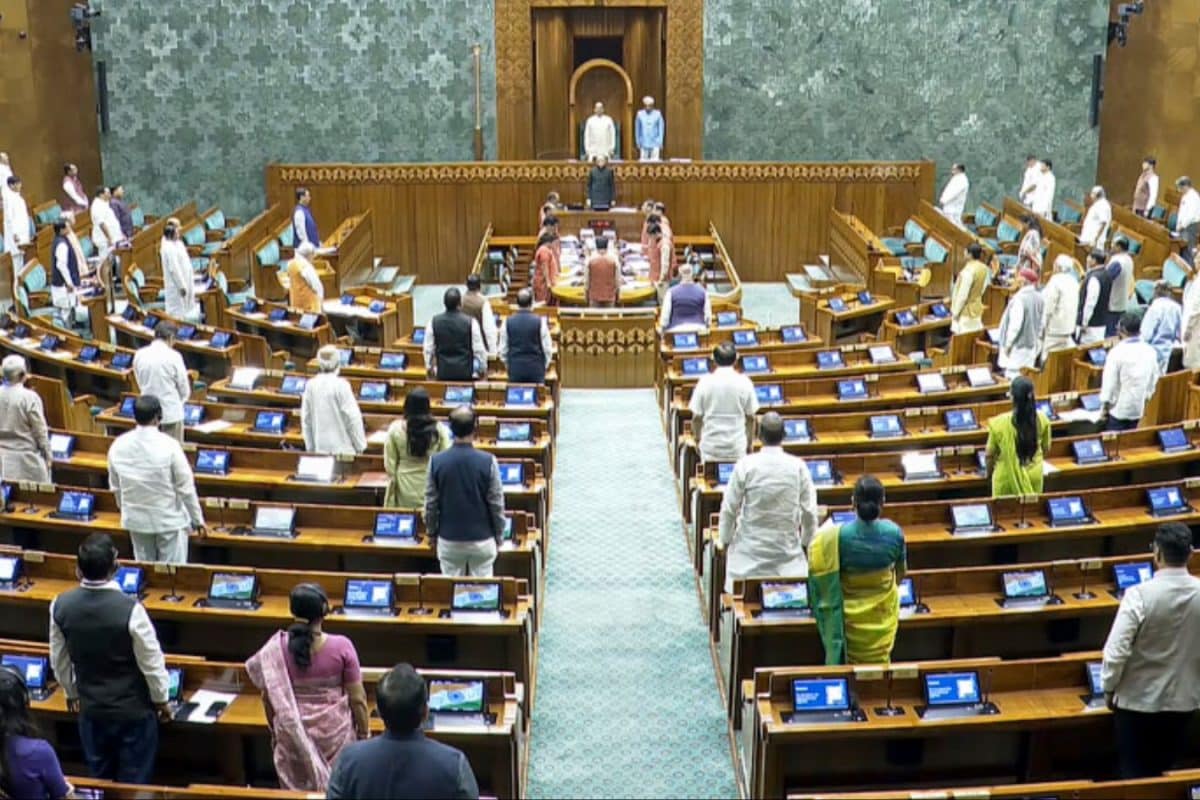
The Supreme Court of India emphasized the need for balance between judicial restraint and constitutional duty regarding religious practices during hearings on the Sabarimala case. The court acknowledged that while social reforms are essential, they should not undermine the essence of religion, prompting discussions on the limits of judicial review in matters of faith.
- 01The Supreme Court highlighted the delicate balance between judicial intervention and religious autonomy.
- 02Chief Justice Surya Kant noted that courts cannot undermine religion for social reforms.
- 03Senior advocate Abhishek Manu Singhvi argued against judicial scrutiny of essential religious practices.
- 04The bench is examining foundational questions about individual rights versus denominational autonomy.
- 05The hearing will continue as the court deliberates on the implications of constitutional morality.
Advertisement
In-Article Ad
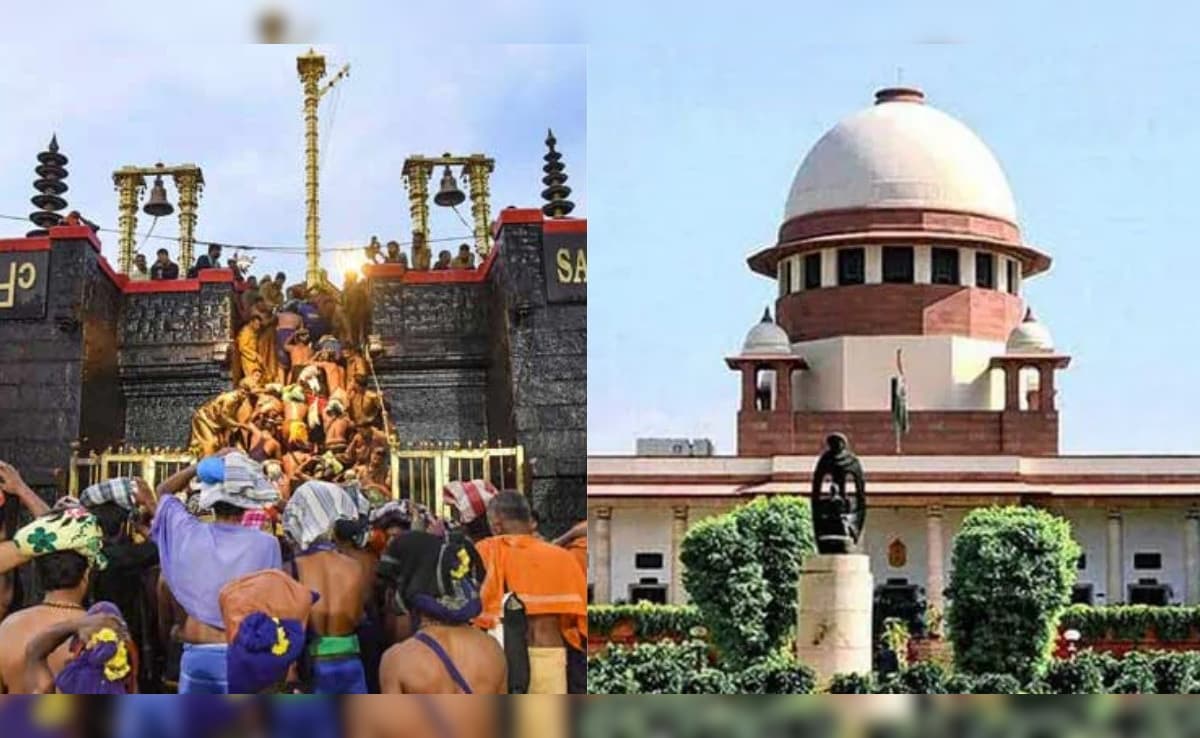
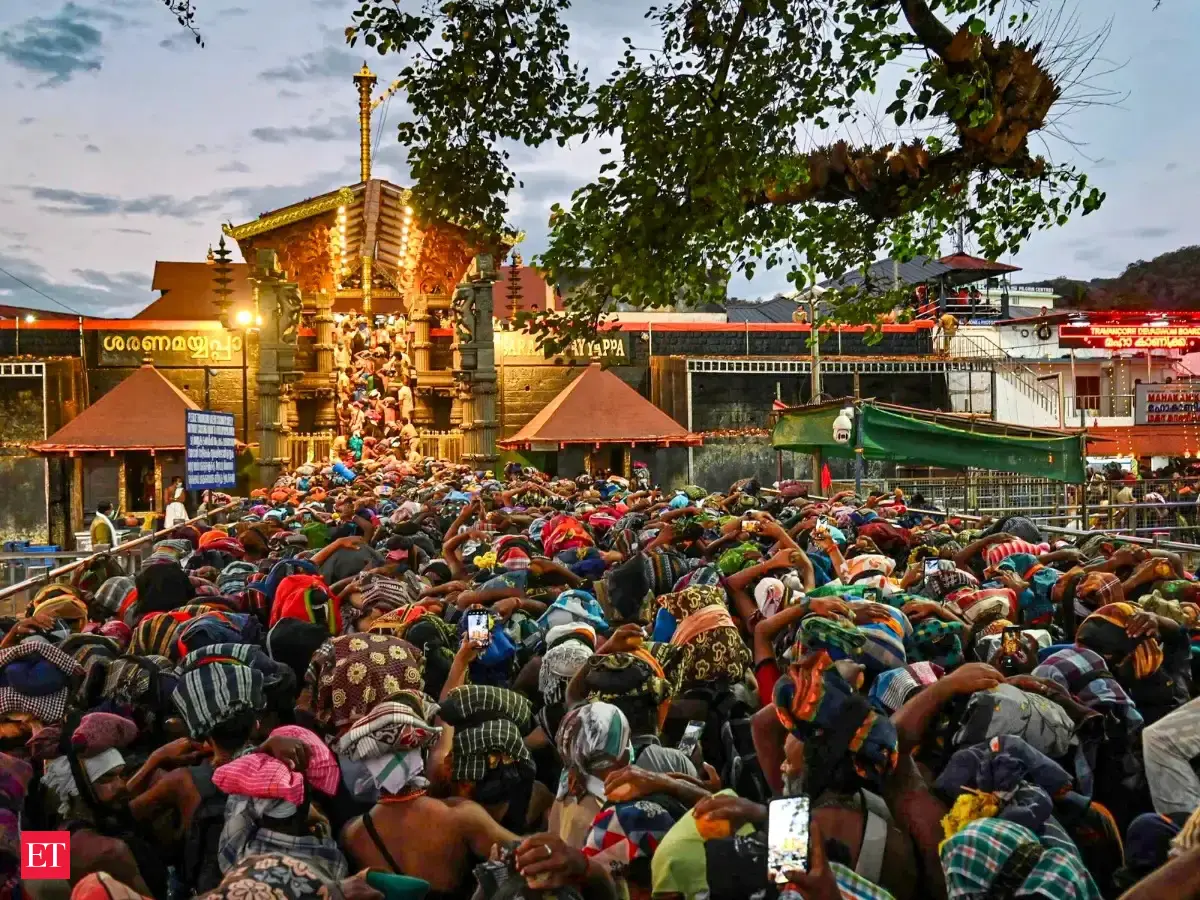
During the ongoing hearings before a nine-judge bench led by Chief Justice of India Surya Kant, the Supreme Court addressed the complex relationship between judicial intervention and religious practices in the Sabarimala case. The court stressed that while social welfare reforms are essential, they should not lead to the erosion of religious beliefs. Chief Justice Kant remarked that courts must tread carefully to avoid declaring the beliefs of millions as erroneous. Senior advocate Abhishek Manu Singhvi, representing the Travancore Devaswom Board, argued for a subjective approach that respects the beliefs of the religious community, cautioning against the imposition of external moral standards on faith. He criticized the 'essential religious practices' doctrine, advocating for a focus on whether a practice is genuinely religious rather than determining its essentiality. The bench engaged in a series of questions regarding the balance between Articles 25 and 26 of the Constitution, which govern religious freedom and denominational autonomy. Singhvi defended the exclusion of women aged 10 to 50 from the Sabarimala Temple, asserting that it is tied to the temple's unique character. The court is tasked with addressing seven foundational questions regarding essential religious practices and the limits of judicial review in faith matters, with hearings set to continue.
Advertisement
In-Article Ad
The court's decision could redefine the intersection of religious practices and constitutional rights, affecting how faith is practiced in India.
Advertisement
In-Article Ad
Reader Poll
Should the Supreme Court intervene in religious practices for social reform?
Connecting to poll...
More about Travancore Devaswom Board
Read the original article
Visit the source for the complete story.