




Supreme Court Upholds Religious Integrity in Sabarimala Case
Can't Hollow Out Religion In Name Of Reforms: Supreme Court In Sabarimala Case
 Ndtv
Ndtv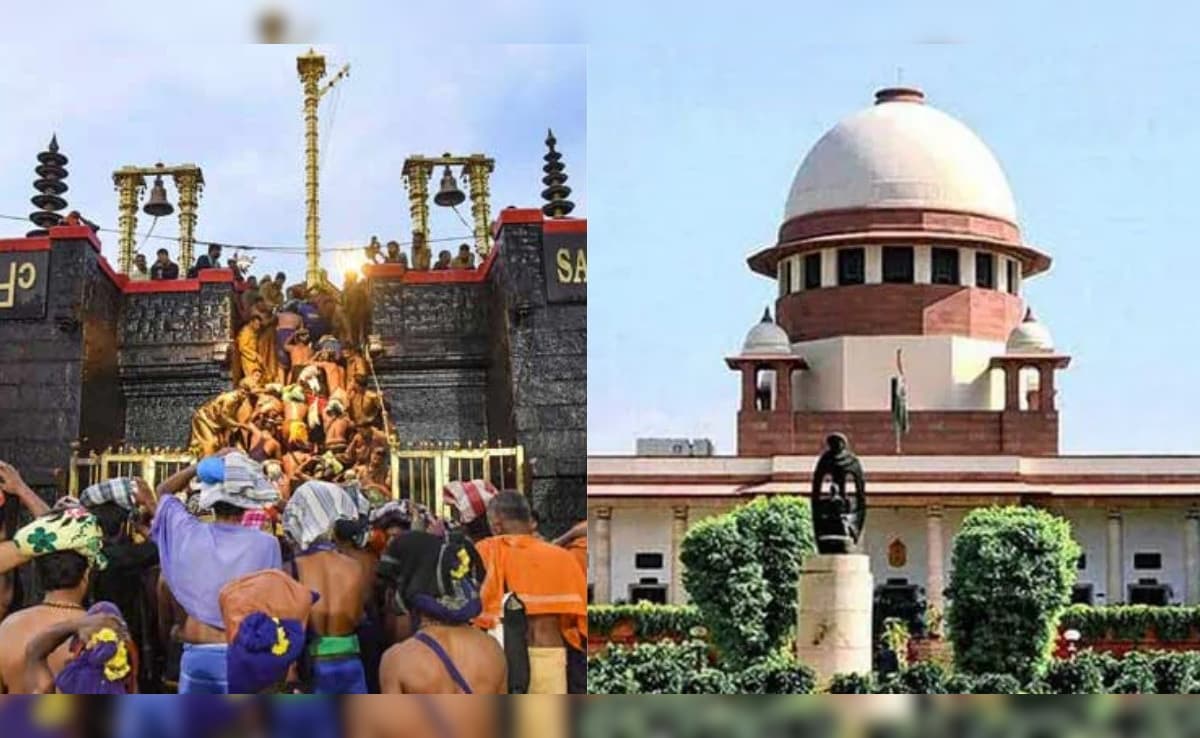
Image: Ndtv
The Supreme Court of India ruled that no religion can be compromised for social reform during the ongoing review of its decision allowing women of child-bearing age entry to Sabarimala temple in Kerala. The court emphasized the importance of preserving essential religious practices while balancing freedom of religion and social welfare.
- 01Supreme Court states religion cannot be hollowed out for social reform.
- 02The review focuses on the balance between freedom of religion and social welfare.
- 03Chief Justice Surya Kant highlighted the difficulty in declaring popular beliefs incorrect.
- 04Arguments presented by senior advocate Abhishek Manu Singhvi emphasized the need for balanced interpretation of constitutional articles.
- 05The hearing will continue, addressing centuries-old restrictions on women in the Sabarimala temple.
Advertisement
In-Article Ad
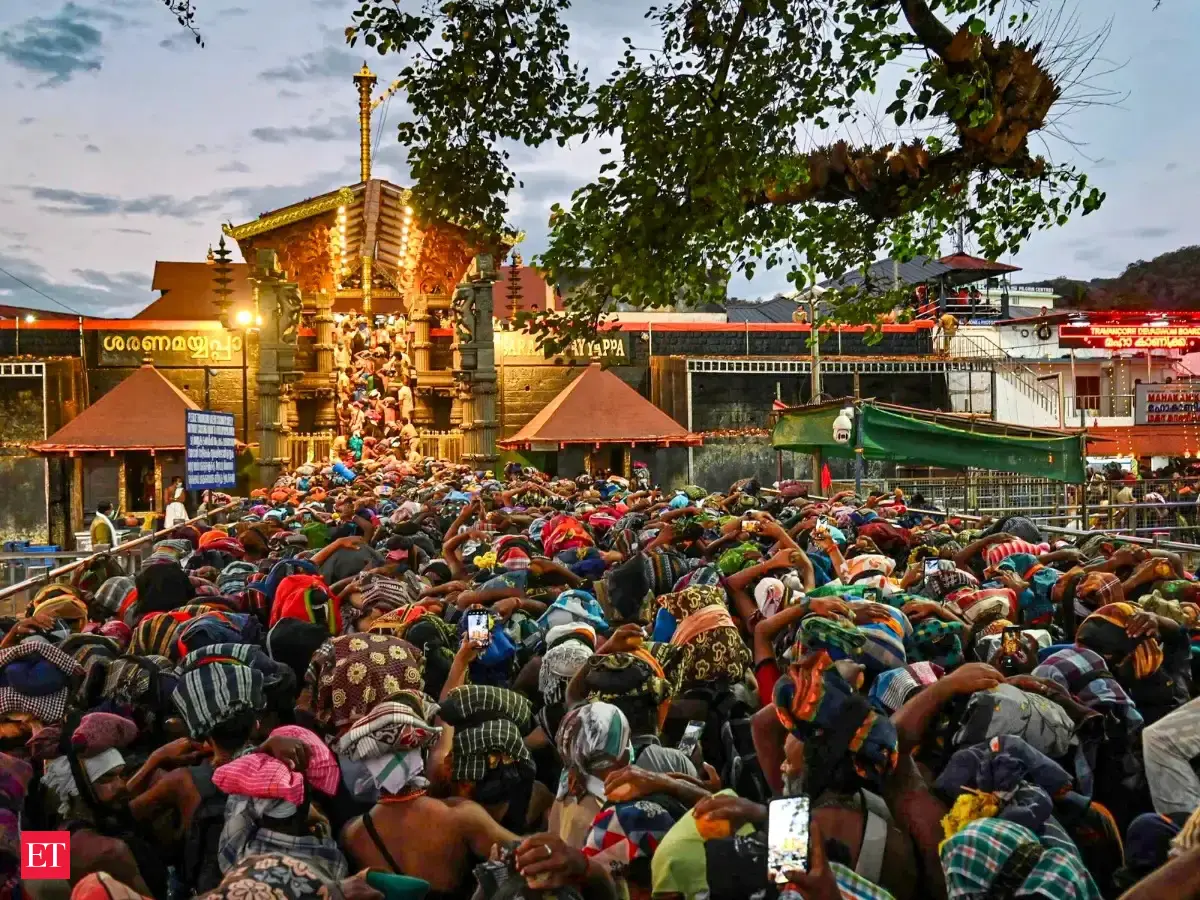
The Supreme Court of India, while reviewing its previous decision allowing women of child-bearing age to enter the Sabarimala temple in Kerala, stated that no religion can be 'hollowed out' in the name of social welfare and reform. The nine-judge bench, led by Chief Justice Surya Kant, discussed the complexities of balancing freedom of religion with social reform. The court acknowledged the challenge of declaring the beliefs of millions as incorrect, with Justice MM Sundresh questioning whether the court can rule on such matters without hearing from those affected. Senior advocate Abhishek Manu Singhvi, representing the Travancore Devaswom Board, argued for a balanced interpretation of Articles 25 and 26 of the Indian Constitution, which pertain to religious freedom and institutional management. He cautioned against judges determining what constitutes essential religious practices, advocating that such assessments should come from within the community. The hearing, which continues on Thursday, addresses a long-standing ban on women of menstruating age entering the temple, a practice rooted in the belief surrounding the deity, Lord Ayyappa.
Advertisement
In-Article Ad
The Supreme Court's decision could significantly affect women's access to religious sites, potentially reshaping societal norms around gender and religion in India.
Advertisement
In-Article Ad
Reader Poll
Should religious practices be subject to social reform?
Connecting to poll...
More about Travancore Devaswom Board
Read the original article
Visit the source for the complete story.