

US Negotiating Team Departs Pakistan After Unsuccessful Talks with Iran
JD Vance says US delegation leaving Pakistan after failing to reach deal with Iran
 The Guardian
Image: The Guardian
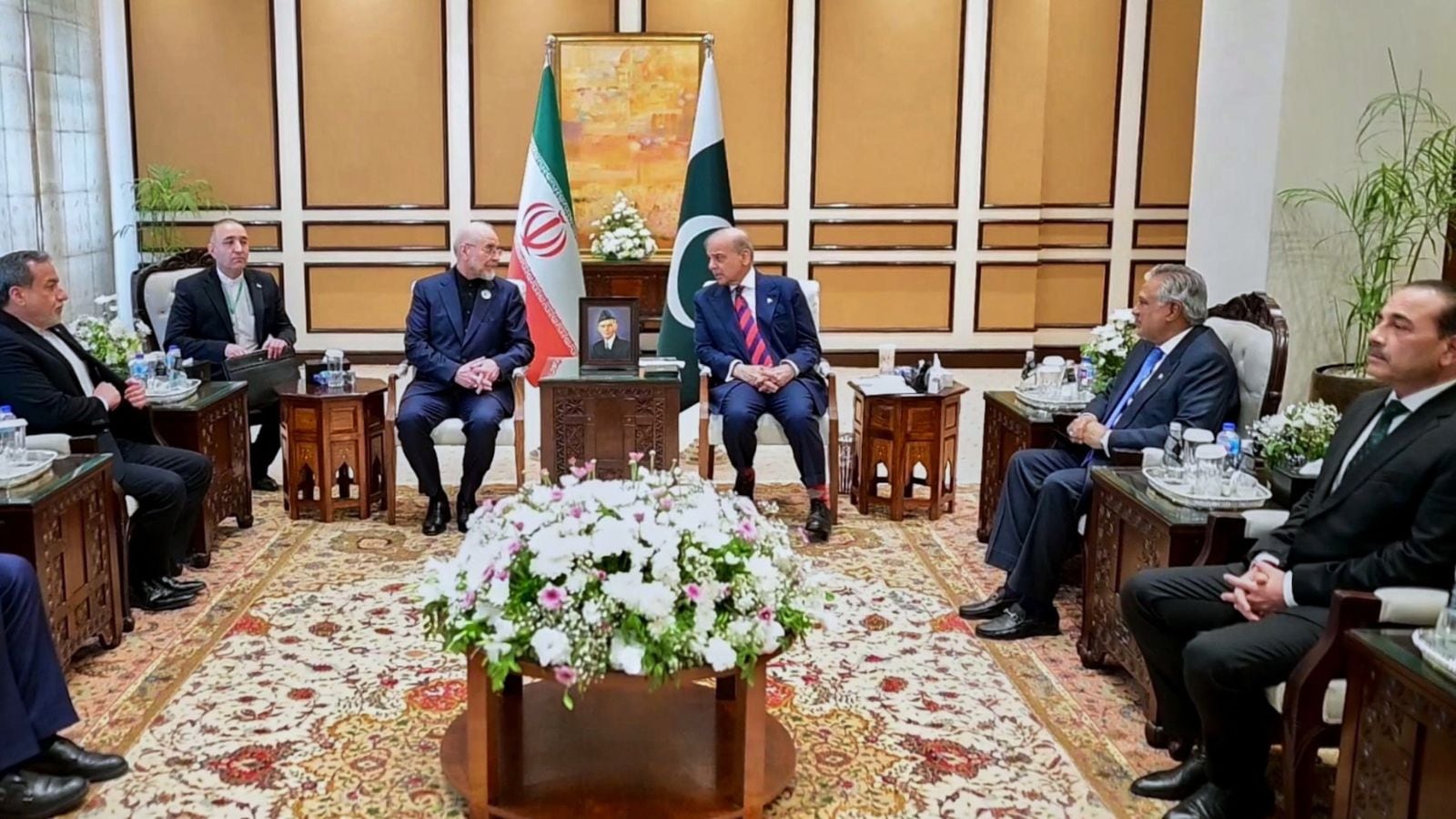
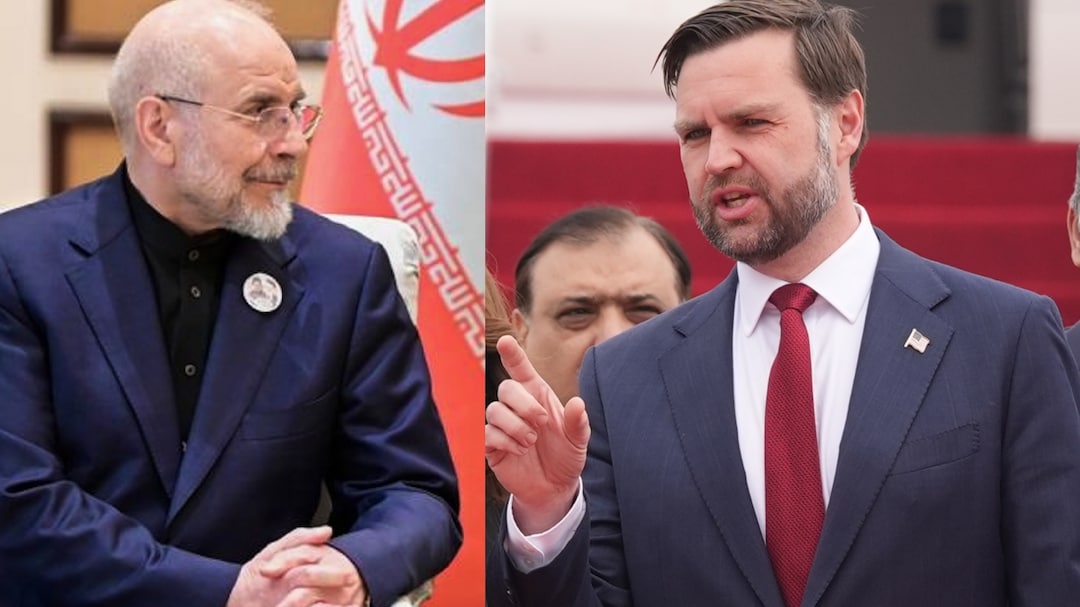
US Vice President JD Vance announced that the US negotiating team is leaving Pakistan after failing to reach an agreement with Iran following 21 hours of discussions. The talks, which were the first direct US-Iranian meetings in over a decade, focused on nuclear weapons and regional ceasefires.
- 01The US delegation, led by Vice President JD Vance, did not reach a deal with Iran after extensive negotiations.
- 02The talks were the first direct US-Iran meetings in over a decade, occurring in Islamabad, Pakistan.
- 03Iran rejected US terms regarding nuclear weapons and other demands.
- 04The outcome of the talks could impact the ongoing ceasefire and the reopening of the strategic Strait of Hormuz.
- 05Pakistan's role as a mediator marks a significant diplomatic shift for the country.
Advertisement
In-Article Ad
US Vice President JD Vance stated that his negotiating team is departing Pakistan after failing to secure a deal with Iran following 21 hours of discussions. The negotiations, held in Islamabad, were the first direct talks between the US and Iran in over a decade and the highest-level discussions since the 1979 Islamic Revolution. Vance noted that Iran did not accept American terms, including a commitment not to develop nuclear weapons. He emphasized that the lack of agreement is more detrimental to Iran than to the US. The outcome of the talks is crucial as it may influence the fragile two-week ceasefire and the reopening of the Strait of Hormuz, a vital waterway for global energy supplies. Iran's government acknowledged the conclusion of the talks, stating that technical experts from both sides would continue to exchange documents. The US military is reportedly preparing to clear the strait of mines, which is central to the ongoing negotiations. Amid heightened tensions, the Iranian delegation arrived in mourning attire, reflecting the ongoing conflict's toll. The US has denied agreeing to release frozen Iranian assets, which Tehran demands as part of any agreement.
Advertisement
In-Article Ad
The failure to reach an agreement could prolong regional instability and affect global oil prices, impacting economies reliant on energy imports.
Advertisement
In-Article Ad
Reader Poll
Do you think the US should continue negotiations with Iran?
Connecting to poll...
More about US Government
Iran Rejects US Demands After Extended Talks in Islamabad
The Indian Express • Apr 12, 2026
Iran Stresses National Interests in First US Talks Amid Ongoing Conflict
Ndtv • Apr 11, 2026
Iranian Official Links Lebanon Ceasefire to US Negotiations Amid High-Stakes Talks in Pakistan
The Economic Times • Apr 11, 2026
Read the original article
Visit the source for the complete story.