



US-Iran Negotiations Fail to Yield Agreement in Islamabad Talks
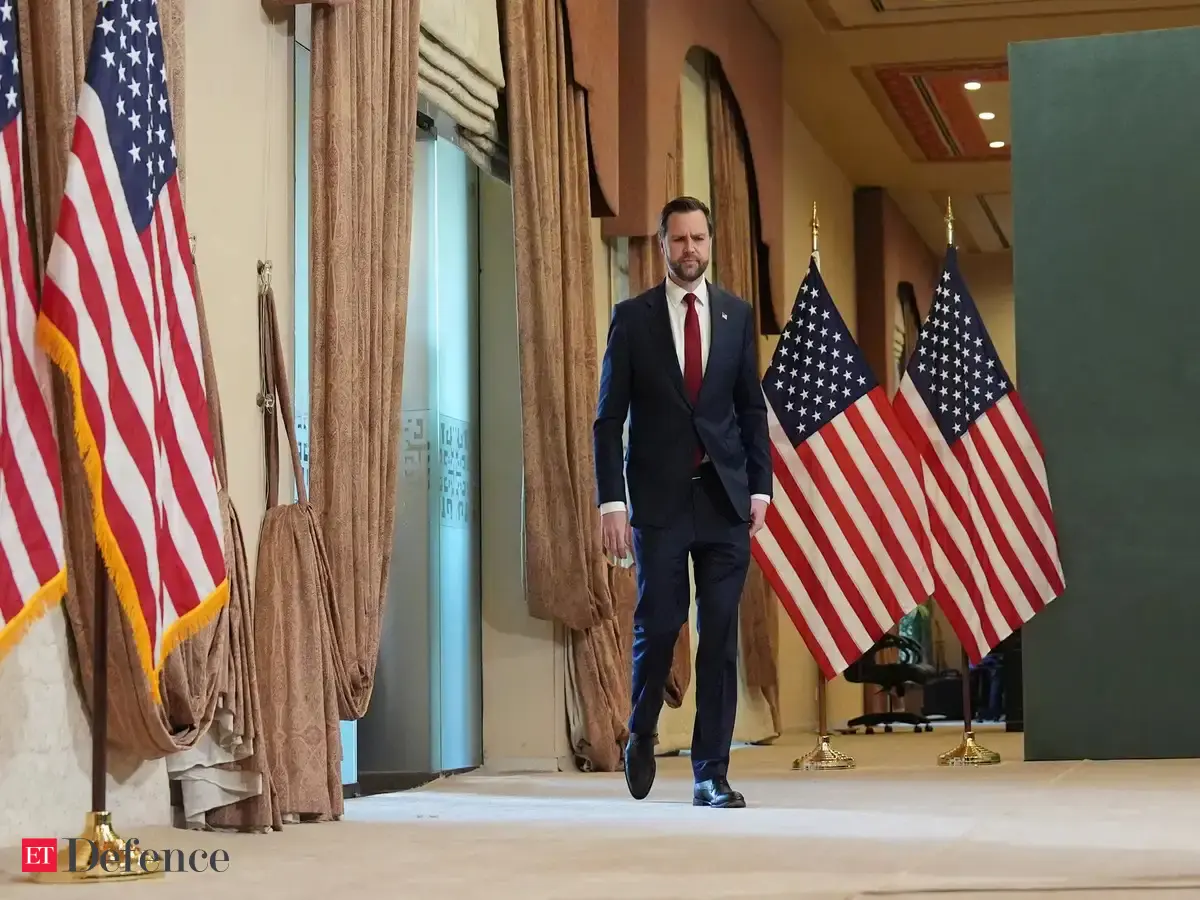
US Iran war talks LIVE: Tehran signals no new talks after Islamabad negotiations collapse; Vance departs for US
 Hindustan Times
Image: Hindustan Times
High-stakes negotiations between the United States and Iran in Islamabad concluded without an agreement after 21 hours of discussions. Vice President JD Vance reported that the US's terms were not accepted by Iran, which has signaled no intent for further talks. Key issues included nuclear weapons and control over the Strait of Hormuz.
- 01Negotiations in Islamabad lasted 21 hours but ended without agreement.
- 02US Vice President JD Vance stated that Iran did not accept US terms.
- 03Iranian officials blamed excessive US demands for the talks' collapse.
- 04Core issues included nuclear weapons and control over the strategic Strait of Hormuz.
- 05Iran has indicated it is not in a hurry to negotiate further.
Advertisement
In-Article Ad
The United States and Iran failed to reach an agreement after extensive negotiations in Islamabad, Pakistan, which lasted 21 hours. Vice President JD Vance announced that the US returned without a breakthrough, emphasizing that Iran did not accept Washington's terms regarding nuclear weapons and the strategic Strait of Hormuz. Iranian officials, including Parliament Speaker Mohammad Bagher Ghalibaf and Foreign Minister Abbas Araghchi, accused the US of making excessive demands that hindered progress. The talks aimed to address critical issues such as a potential extension of the ceasefire and phased sanctions relief but ultimately sidestepped the core concerns previously highlighted by the Trump administration. Vance described the atmosphere during the discussions as tense, with fluctuating moods from both sides. Despite achieving a fragile ceasefire a week prior, the failure to secure a deal represents a significant setback for both nations, with Iran signaling it is not eager for further negotiations.
Advertisement
In-Article Ad
The failure of these negotiations could lead to increased tensions in the Middle East, affecting regional stability and global shipping routes, particularly through the Strait of Hormuz.
Advertisement
In-Article Ad
Reader Poll
What should be the next step for the US regarding Iran negotiations?
Connecting to poll...
Read the original article
Visit the source for the complete story.