




Ceasefire in Hormuz Sparks Shadow Currency War with Yuan
'Yuan-Way' Traffic: The Shadow Currency War Exploding In Hormuz Under Cover Of US-Iran Ceasefire
 News 18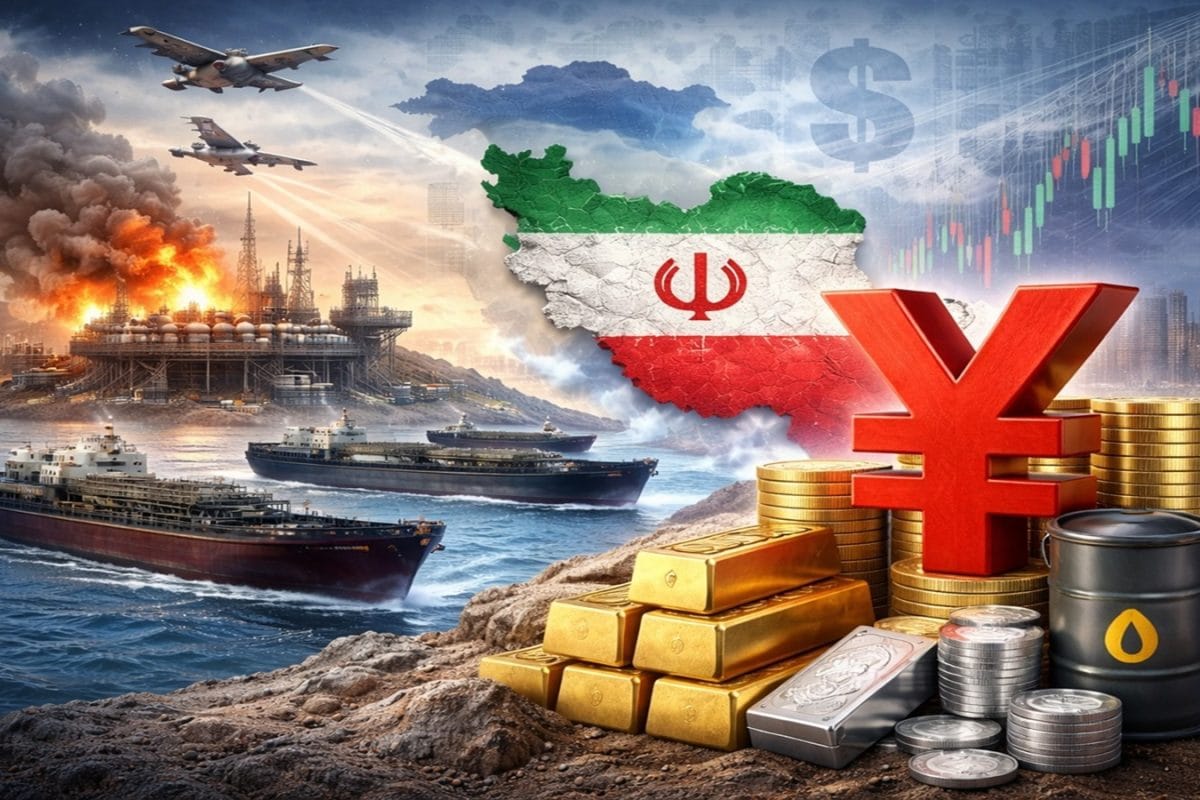
Image: News 18
A two-week ceasefire between the United States and Iran has intensified a 'shadow currency war' in the Persian Gulf, with Iran leveraging the yuan for oil passage fees. This shift could challenge the dominance of the US dollar in global oil trade, as Beijing aims to solidify the yuan's role in the region's financial architecture.
- 01The ceasefire has formalized the 'Tehran toll booth' for oil transit fees, now collected in yuan.
- 02China is using the truce to expand its digital currency initiatives, particularly through Project mBridge.
- 03The yuan-for-passage model may lead to a bifurcated global energy market divided between dollar and yuan zones.
- 04Iran's cooperation with China could undermine US sanctions and influence regional oil trade dynamics.
- 05The long-term risks include increased volatility and uncertainty in global markets due to China's capital controls.
Advertisement
In-Article Ad
The recent two-week ceasefire between the United States and Iran has not only paused direct conflict but has also intensified a 'shadow currency war' in the Persian Gulf. Iran has established a 'Tehran toll booth' model, charging transit fees for oil passage through the Strait of Hormuz, reportedly starting at $1 per barrel, and collected in Chinese yuan. This development supports China's goal of internationalizing the yuan, especially as it becomes Iran's largest oil customer. During the ceasefire, China is testing its multi-central bank digital currency platform, Project mBridge, to facilitate direct oil trade settlements, bypassing the US-led SWIFT system. The implications of this shift could lead to a bifurcated energy market, creating distinct 'dollar' and 'yuan' zones. However, this new financial order is fraught with risks, including potential sanctions from the US targeting financial intermediaries involved in these yuan-denominated transactions. The geopolitical landscape in West Asia is shifting, with the yuan emerging as a significant player in the region's oil trade.
Advertisement
In-Article Ad
The shift towards yuan-denominated oil trades could significantly alter pricing and trade dynamics in the region, impacting local economies reliant on oil exports.
Advertisement
In-Article Ad
Reader Poll
Do you think the yuan will replace the dollar in oil transactions?
Connecting to poll...
Read the original article
Visit the source for the complete story.