

Supreme Court Revisits Sabarimala Ruling on Women's Entry Restrictions
There can’t be three-day untouchability every month: Justice Nagarathna
 The Indian Express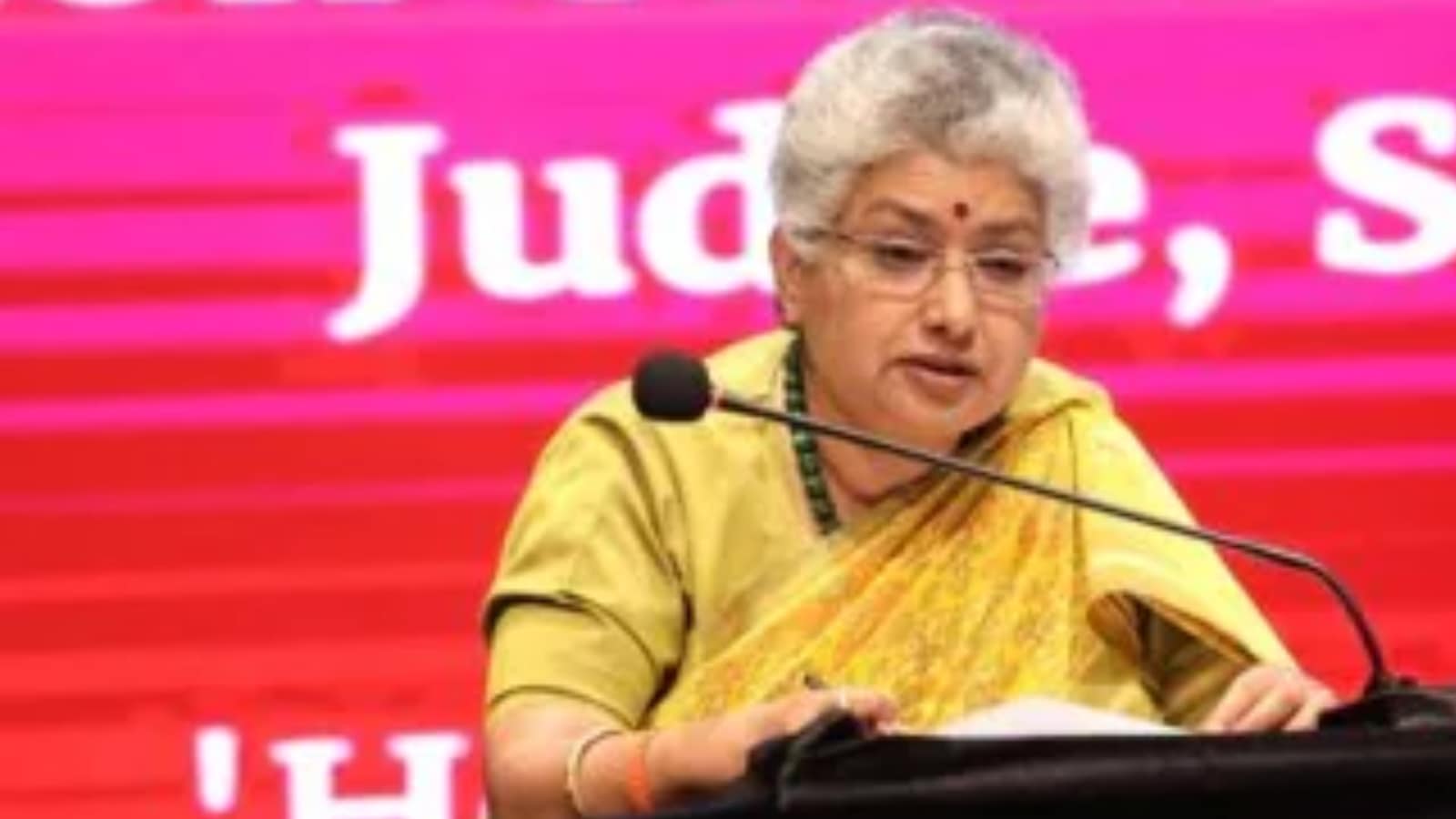
Image: The Indian Express
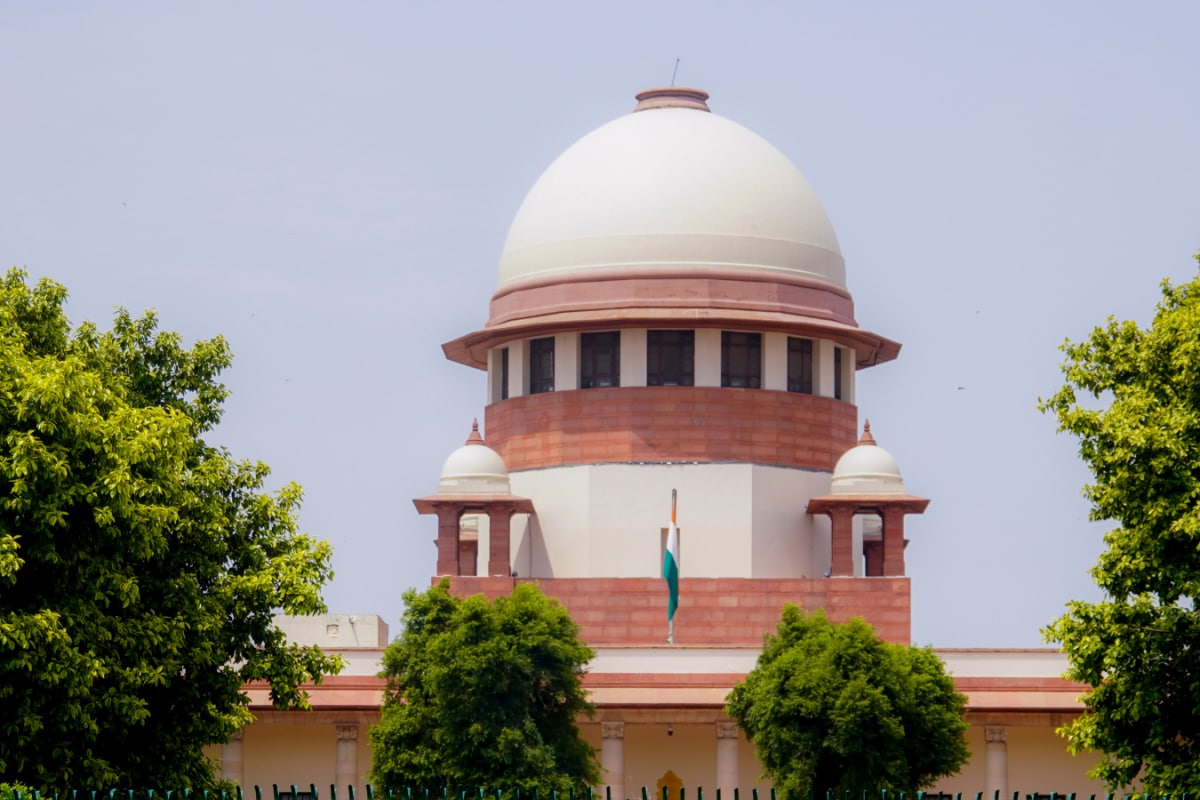
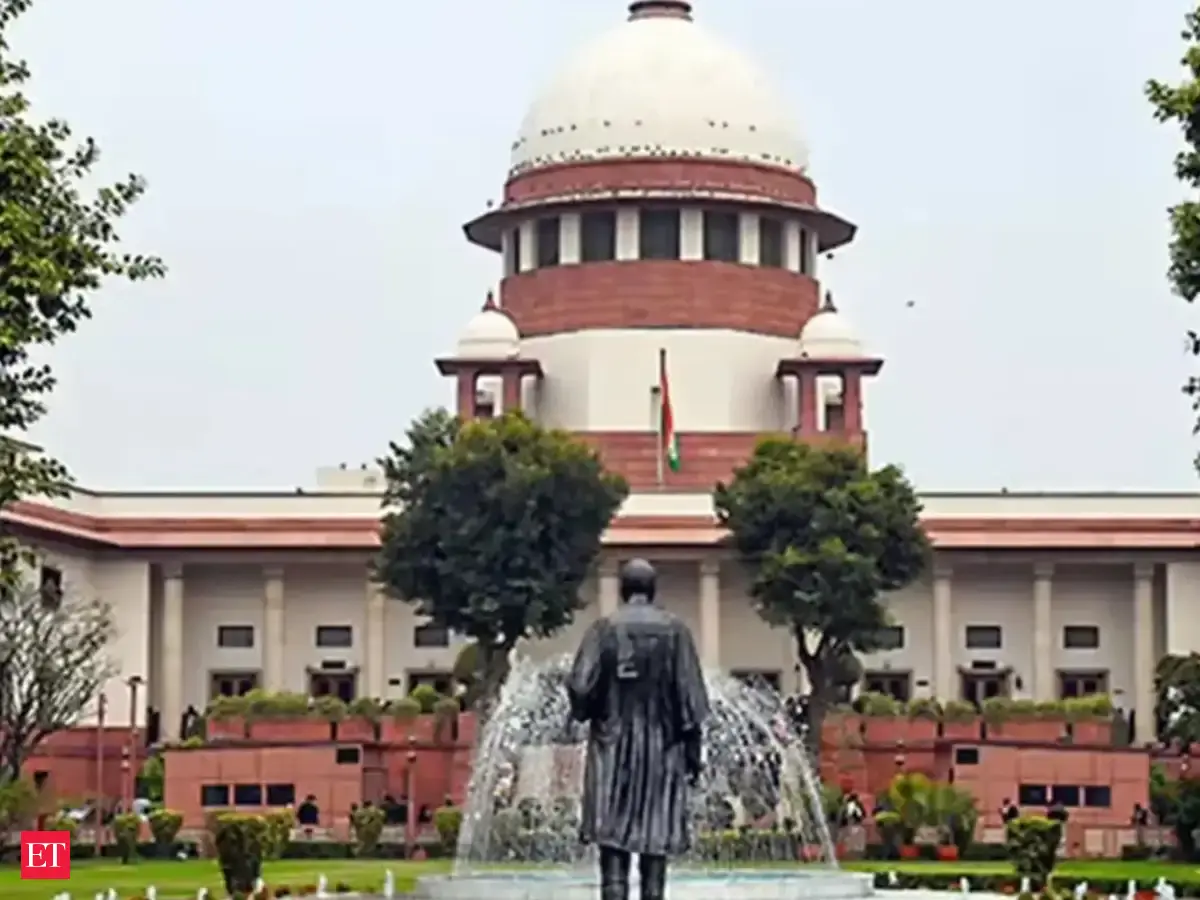
The Supreme Court of India is reviewing its 2018 decision that lifted age restrictions on women's entry to the Sabarimala temple in Kerala. Justice B V Nagarathna questioned the application of untouchability in this context, while Solicitor General Tushar Mehta argued the ruling was flawed and should be reconsidered.
- 01The Supreme Court is reexamining its 2018 ruling on women's entry to Sabarimala temple.
- 02Justice B V Nagarathna expressed concerns about the concept of temporary untouchability.
- 03Solicitor General Tushar Mehta criticized the 2018 decision, calling it a wrong law.
- 04The case highlights the tension between religious customs and constitutional rights.
- 05The court previously ruled that the age restrictions were unconstitutional but is now considering further review.
Advertisement
In-Article Ad
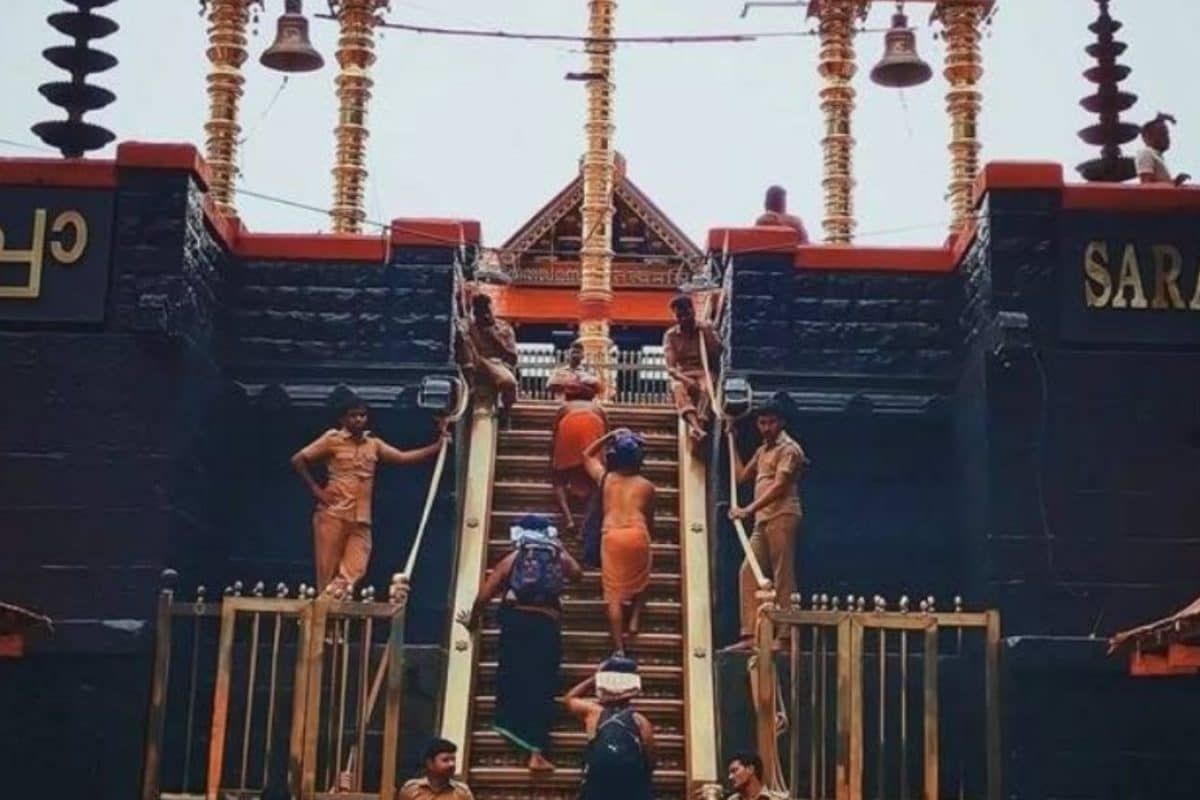
The Supreme Court of India is currently deliberating on the constitutionality of its previous ruling regarding women's entry into the Sabarimala temple, located in Kerala. Justice B V Nagarathna raised questions about the notion of temporary untouchability, suggesting that it contradicts the fundamental rights guaranteed by Article 17 of the Constitution, which prohibits untouchability. Solicitor General Tushar Mehta expressed strong opposition to the application of the anti-untouchability clause to the temple's customs, arguing that the 2018 decision was incorrectly decided and should be declared a wrong law. The original ruling, issued by a five-judge bench, had lifted age restrictions on women, declaring them unconstitutional. However, the current nine-judge bench is tasked with addressing various constitutional questions arising from petitions seeking a review of this landmark decision. Mehta emphasized that the unique practices of the Sabarimala temple should not be conflated with broader notions of gender equality, asserting that other Ayyappa temples do not impose similar restrictions. The court's ongoing review reflects the complex interplay between religious practices and constitutional rights in India.
Advertisement
In-Article Ad
The ongoing review could impact women's access to the Sabarimala temple and similar religious sites across India, influencing how religious customs are interpreted under constitutional law.
Advertisement
In-Article Ad
Reader Poll
Should the Supreme Court uphold the 2018 ruling on women's entry to Sabarimala?
Connecting to poll...
More about Supreme Court of India
Indian Government Challenges 2018 Supreme Court Ruling on Adultery Decriminalization
News 18 • Apr 7, 2026
Supreme Court Affirms Voluntary Retirement as Employee Right
The Economic Times • Apr 7, 2026
Indian Government Defends Restrictions on Women's Entry to Sabarimala Temple in Supreme Court
News 18 • Apr 7, 2026
Read the original article
Visit the source for the complete story.