

Indian Government Defends Restrictions on Women's Entry to Sabarimala Temple in Supreme Court
'Everything Can't Be Tied To Freedom': Centre Supports Restriction On Women's Sabrimala Entry In SC
 News 18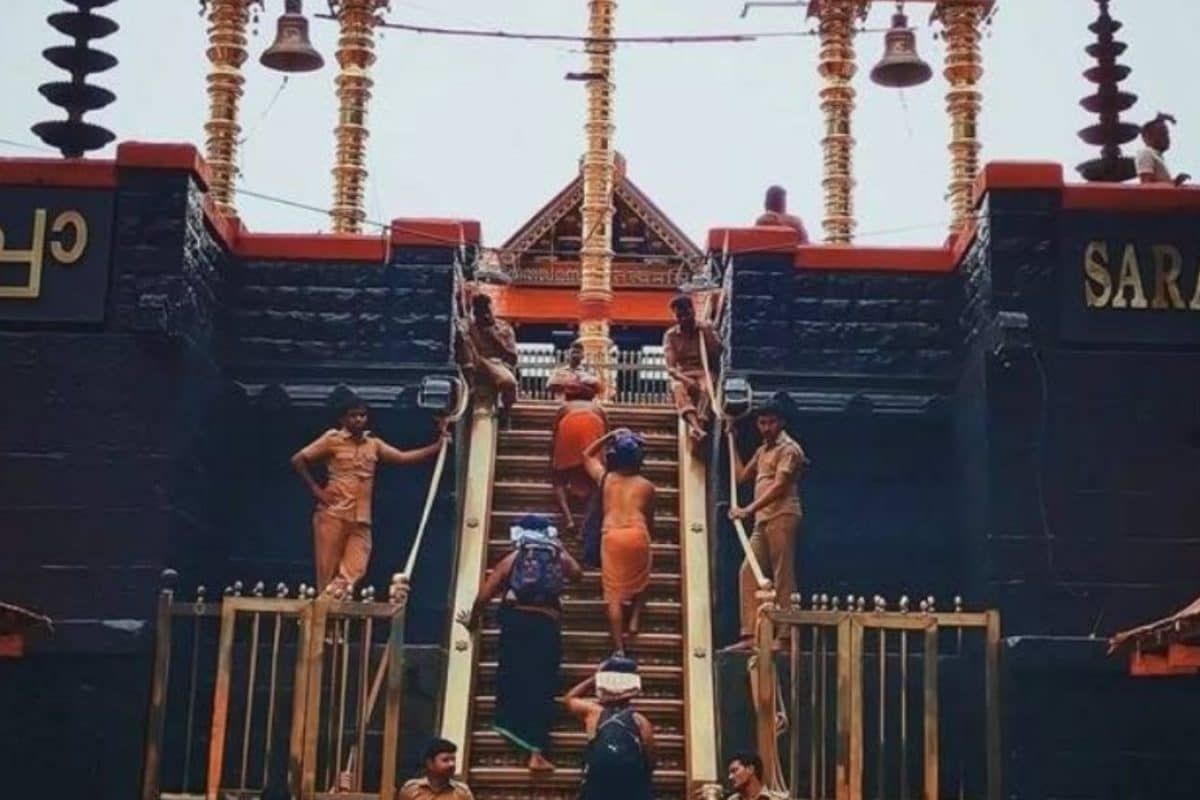
Image: News 18
The Indian government has argued in the Supreme Court that restrictions on women of menstruating age entering the Sabarimala temple in Kerala are based on religious beliefs and should not be subject to judicial review. The Centre maintains that these practices are essential to the temple's traditions and do not violate equality rights.
- 01The Centre argues that the Sabarimala entry restrictions are rooted in religious beliefs.
- 02Solicitor General Tushar Mehta stated that allowing entry could alter worship practices.
- 03The government claims the restriction does not equate to gender discrimination.
- 04The Supreme Court previously lifted the ban on women's entry in 2018 but referred the matter to a larger bench.
- 05The ongoing hearings will address broader issues of religious freedom across various faiths.
Advertisement
In-Article Ad
The Indian government has presented its case in the Supreme Court regarding the restriction on women of menstruating age from entering the Sabarimala temple in Kerala. Solicitor General Tushar Mehta asserted that the practice is deeply rooted in the religious beliefs surrounding Lord Ayyappa, who is viewed as an eternal celibate. The Centre contended that allowing women entry could disrupt the temple's worship practices and infringe upon the rights of devotees who adhere to these traditions. The government emphasized that such restrictions are not discriminatory but rather a reflection of faith and essential religious practices. Furthermore, the Centre criticized the concept of 'constitutional morality,' arguing that it is vague and not explicitly defined in the Constitution, warning against judicial overreach into religious matters. The Supreme Court had previously lifted the ban on women's entry in September 2018 but has since referred the matter, along with similar issues affecting other religious practices, to a larger bench for further examination. The court is set to continue hearings on this matter, which raises significant questions about the balance between religious freedom and gender equality in India.
Advertisement
In-Article Ad
The ongoing legal proceedings could significantly affect women's rights and religious practices in India, particularly for those wishing to enter the Sabarimala temple.
Advertisement
In-Article Ad
Reader Poll
Should religious practices that restrict women's entry be upheld?
Connecting to poll...
More about Supreme Court of India
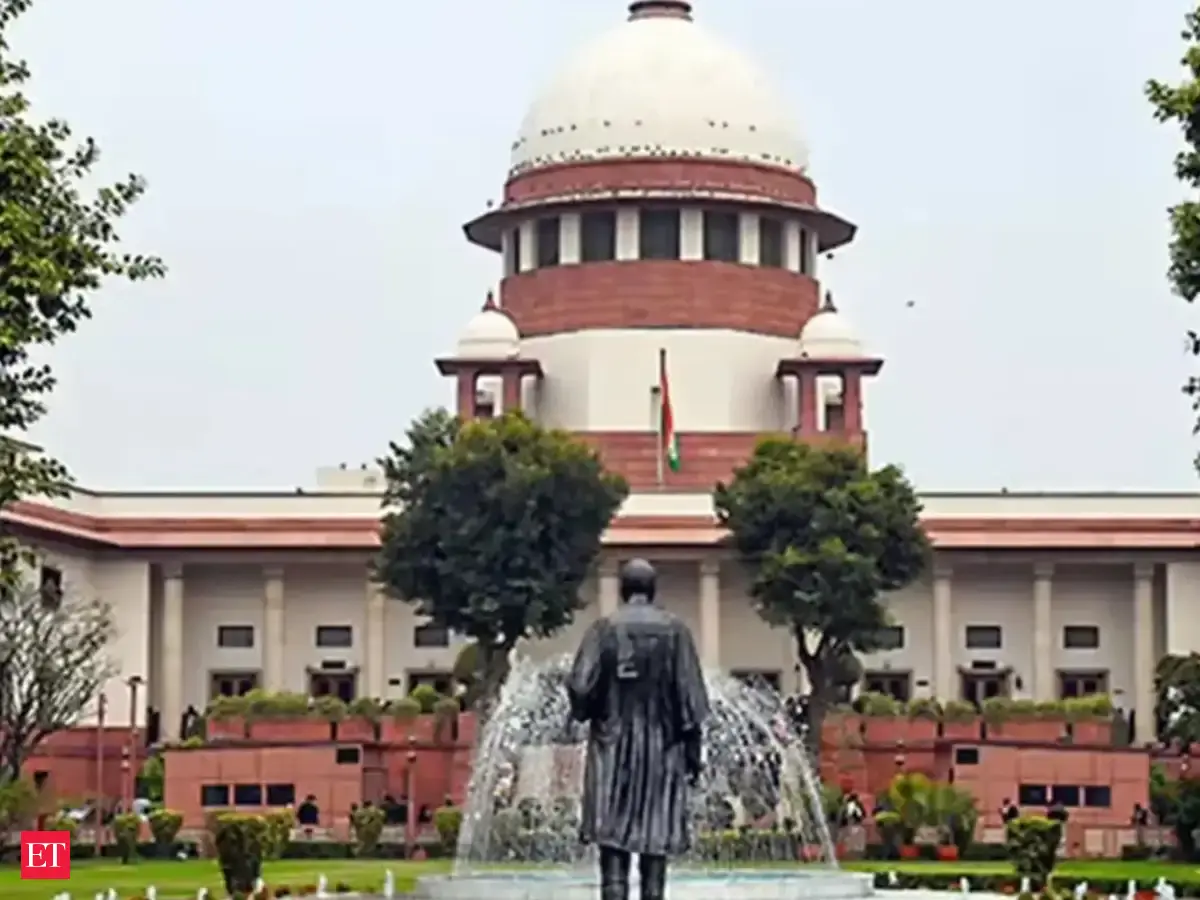
Supreme Court Affirms Voluntary Retirement as Employee Right
The Economic Times • Apr 7, 2026
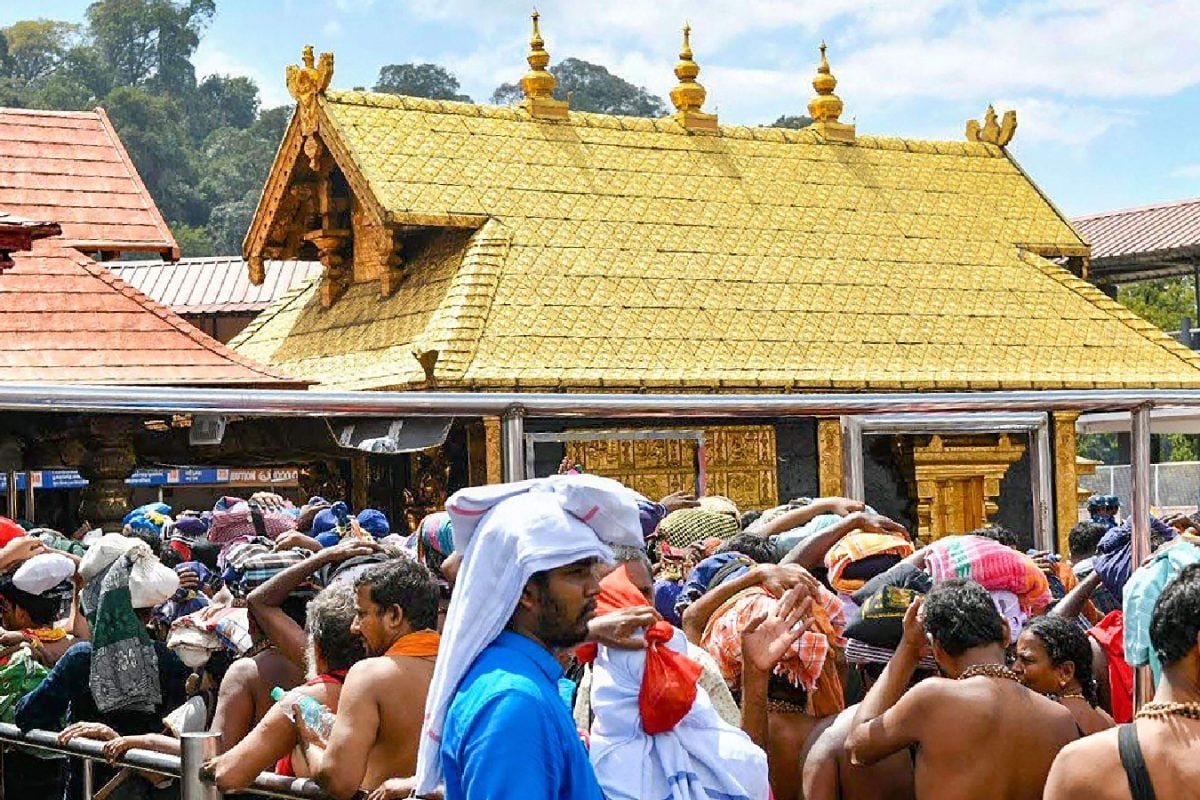
Indian Government Defends Sabarimala Temple Restrictions, Claims Unique Respect for Women
News 18 • Apr 7, 2026
Supreme Court Upholds Rigorous Recruitment Standards for Delhi Police Aspirant
The Indian Express • Apr 7, 2026
Read the original article
Visit the source for the complete story.