


Inside Trump's Decision-Making Leading to Military Action Against Iran
Inside Trump’s road to war: How a tight-knit inner circle cleared the path for Iran strike
 The Indian Express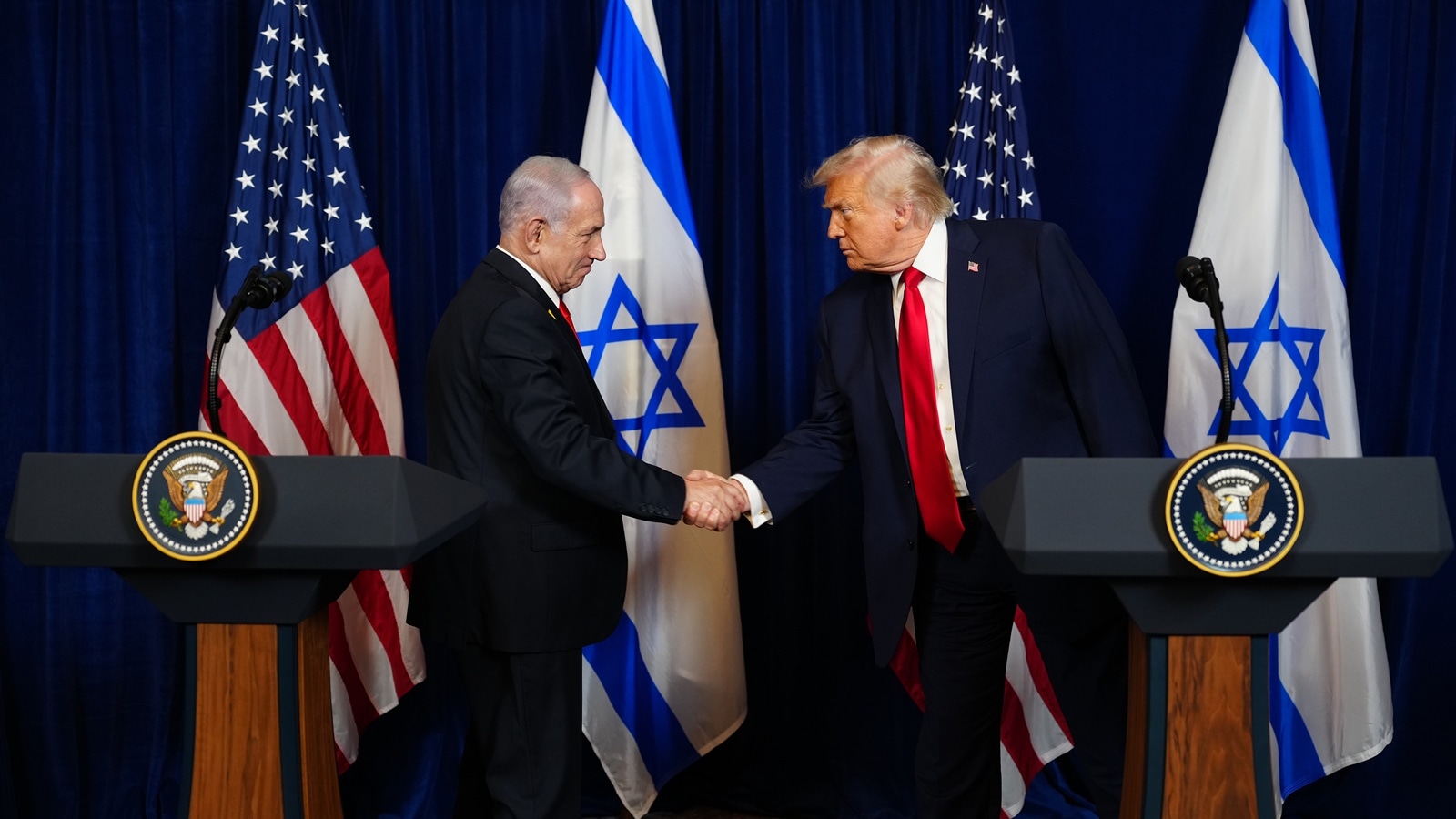
Image: The Indian Express
In the lead-up to a potential military strike against Iran, a close group of senior officials, including President Donald Trump and Israeli Prime Minister Benjamin Netanyahu, discussed strategies that favored immediate action despite significant intelligence warnings against the feasibility of regime change. The lack of strong opposition allowed Trump's instincts to dominate the decision-making process.
- 01Israeli Prime Minister Benjamin Netanyahu advocated for regime change in Iran, influencing Trump's decision-making.
- 02US intelligence agencies found major flaws in the proposed military action, deeming it unrealistic.
- 03Vice President JD Vance was the primary critic of the war plans, warning of regional instability.
- 04Several officials hesitated to confront Trump, leading to a lack of unified resistance.
- 05Trump's belief in a swift victory contributed significantly to his decision to pursue military action.
Advertisement
In-Article Ad
In the weeks leading up to a potential military campaign against Iran, discussions within the White House Situation Room revealed how President Donald Trump's instincts and a tight-knit group of advisers shaped the path to war. Israeli Prime Minister Benjamin Netanyahu presented a compelling case for regime change in Iran, suggesting that the country was vulnerable and that a swift victory was possible. Trump's initial enthusiasm for the proposal was tempered by US intelligence assessments, which found significant flaws in the plan, particularly the unrealistic expectation of a popular uprising. Vice President JD Vance emerged as the most vocal opponent, cautioning against the potential for regional instability and economic repercussions. However, he ultimately agreed to support the decision if it proceeded. Many officials expressed private concerns but refrained from directly challenging Trump, allowing his position to solidify. Trump's confidence in achieving a quick victory influenced his dismissal of warnings about escalation and disruptions in key areas like the Strait of Hormuz. Ultimately, the decision-making process was characterized more by Trump's instincts than by consensus among his advisers.
Advertisement
In-Article Ad
The potential military action against Iran could lead to significant geopolitical repercussions, affecting regional stability and US relations with other countries.
Advertisement
In-Article Ad
Reader Poll
Do you support military action against Iran?
Connecting to poll...
More about CIA

La CIA dévoile 'Ghost Murmur', un outil révolutionnaire pour localiser les cœurs battants
L'independent • Apr 8, 2026
Donald Trump décrit l'opération de sauvetage des pilotes américains en Iran
Le Monde • Apr 7, 2026

Details Emerge on US F-15E Airman's 46-Hour Rescue Mission in Iran
Hindustan Times • Apr 7, 2026
Read the original article
Visit the source for the complete story.