




Understanding the Cicada COVID Variant BA.3.2 and Its Impact on Children
Cicada COVID Variant BA. 3.2: Why Children Are 5 Times More Likely To Get Infected And Tips To Safeguard Them
 Ndtv
Ndtv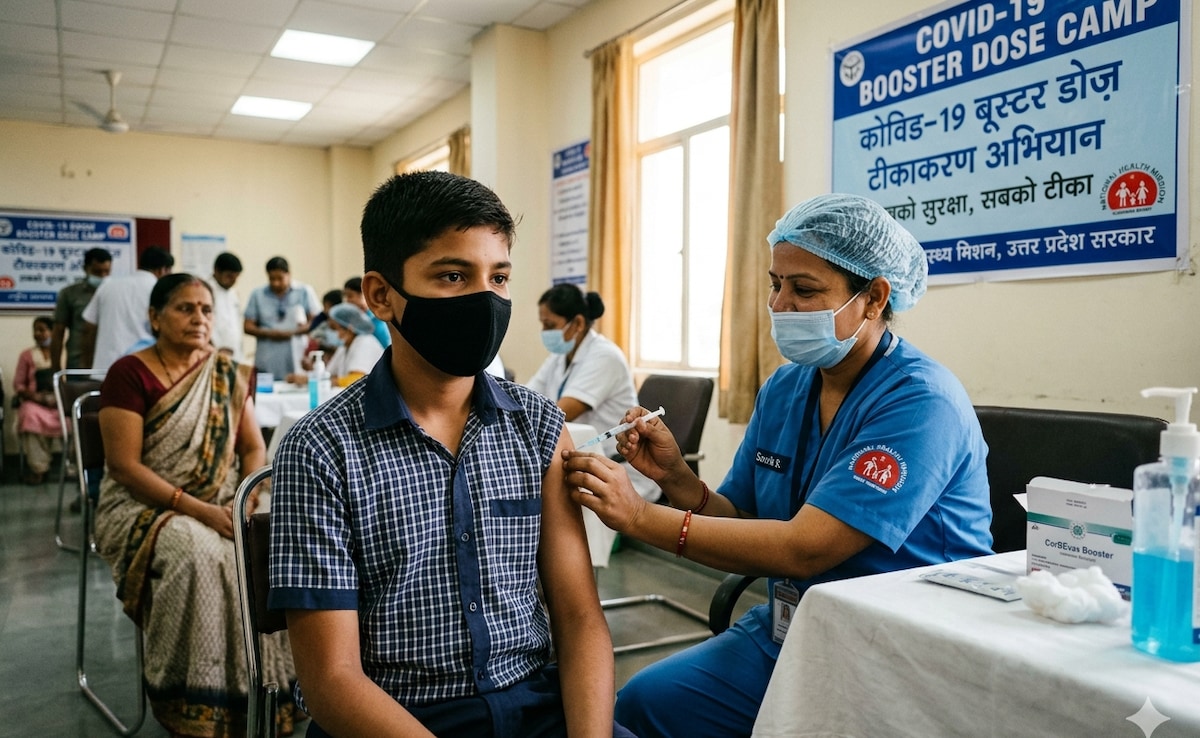
Image: Ndtv
The BA.3.2 COVID-19 subvariant, nicknamed the 'Cicada' variant, poses a heightened risk to children, infecting them at a rate five times higher than adults. Detected in 23 countries and wastewater from 25 US states, it features over 70 mutations, prompting calls for updated vaccinations and hygiene practices to safeguard children.
- 01The Cicada variant is spreading rapidly, with over 70 mutations affecting its spike proteins.
- 02Children are five times more likely to be infected than adults due to their underdeveloped immune systems.
- 03Vaccination coverage for booster doses among children remains low.
- 04Common symptoms include cough, sore throat, and shortness of breath, which should be monitored closely.
- 05Preventive measures such as masking, hand hygiene, and vaccination updates are crucial for protecting children.
Advertisement
In-Article Ad
The new COVID-19 subvariant BA.3.2, known as the 'Cicada' variant, has emerged as a significant health concern, particularly for children. This variant has been reported in 23 countries and detected in wastewater across 25 US states, raising alarms due to its 70-75 mutations that allow it to evade existing vaccine-induced immunity. First identified in South Africa on November 22, 2024, the variant poses a risk to children, who are infected at a rate five times higher than adults due to their less developed immune systems. Current data indicates that only 33 million children aged 12-14 in India have received their first vaccine dose, with a mere 14 million having received a booster, highlighting a significant gap in immunity among this vulnerable population.
Symptoms associated with the Cicada variant mirror those of previous COVID-19 infections, including cough, sore throat, and shortness of breath. Parents are advised to remain vigilant and seek medical attention if symptoms persist, especially after travel. To protect children, it is essential to implement preventive measures such as masking in crowded spaces, maintaining hand hygiene, and ensuring vaccination updates are prioritized. The World Health Organization and health authorities are monitoring the situation closely, emphasizing the importance of community-level strategies to safeguard children's health.
Advertisement
In-Article Ad
The emergence of the Cicada variant may lead to increased infections among children, necessitating heightened awareness and preventive measures among parents and guardians.
Advertisement
In-Article Ad
Reader Poll
Are you concerned about the new Cicada COVID variant affecting children?
Connecting to poll...
More about World Health Organization
Read the original article
Visit the source for the complete story.