

Kerala Elections 2026: Analyzing Anti-Incumbency Sentiment and Political Dynamics
Kerala Elections 2026: Is Anti-Incumbency Real This Time Or Overestimated In Keralam?
 News 18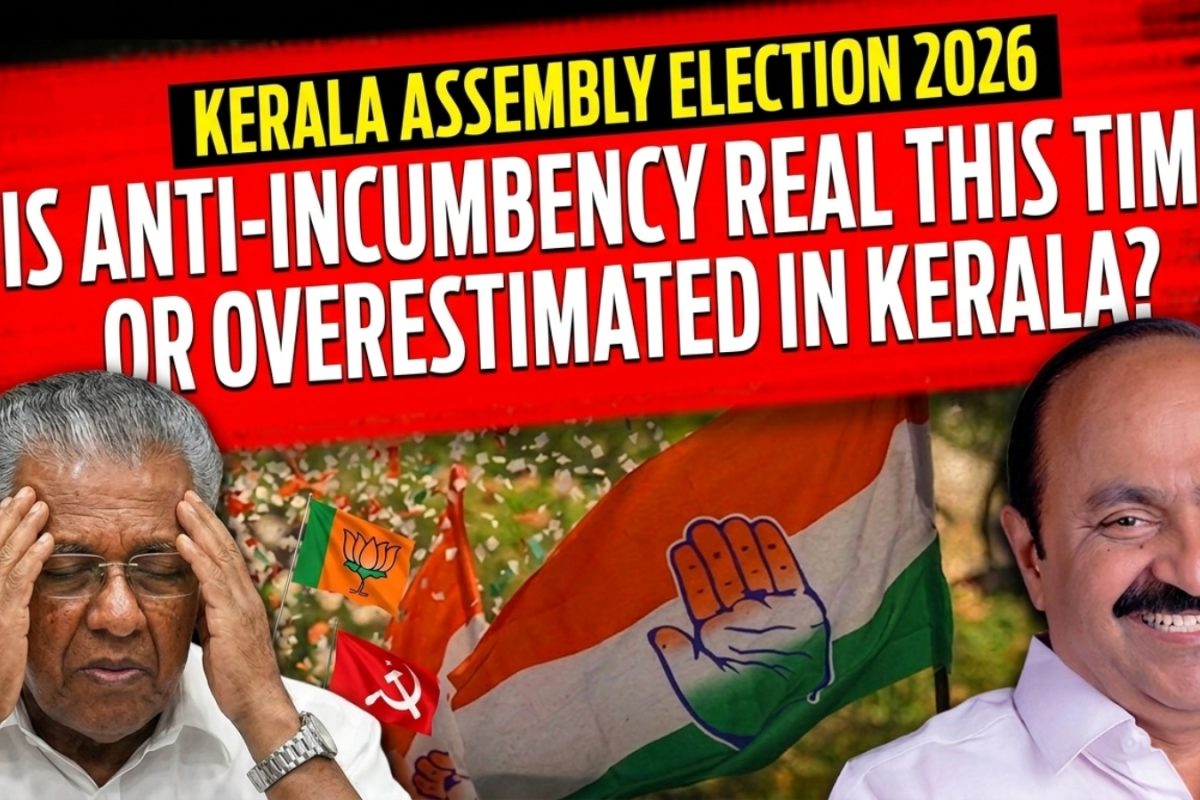
Image: News 18
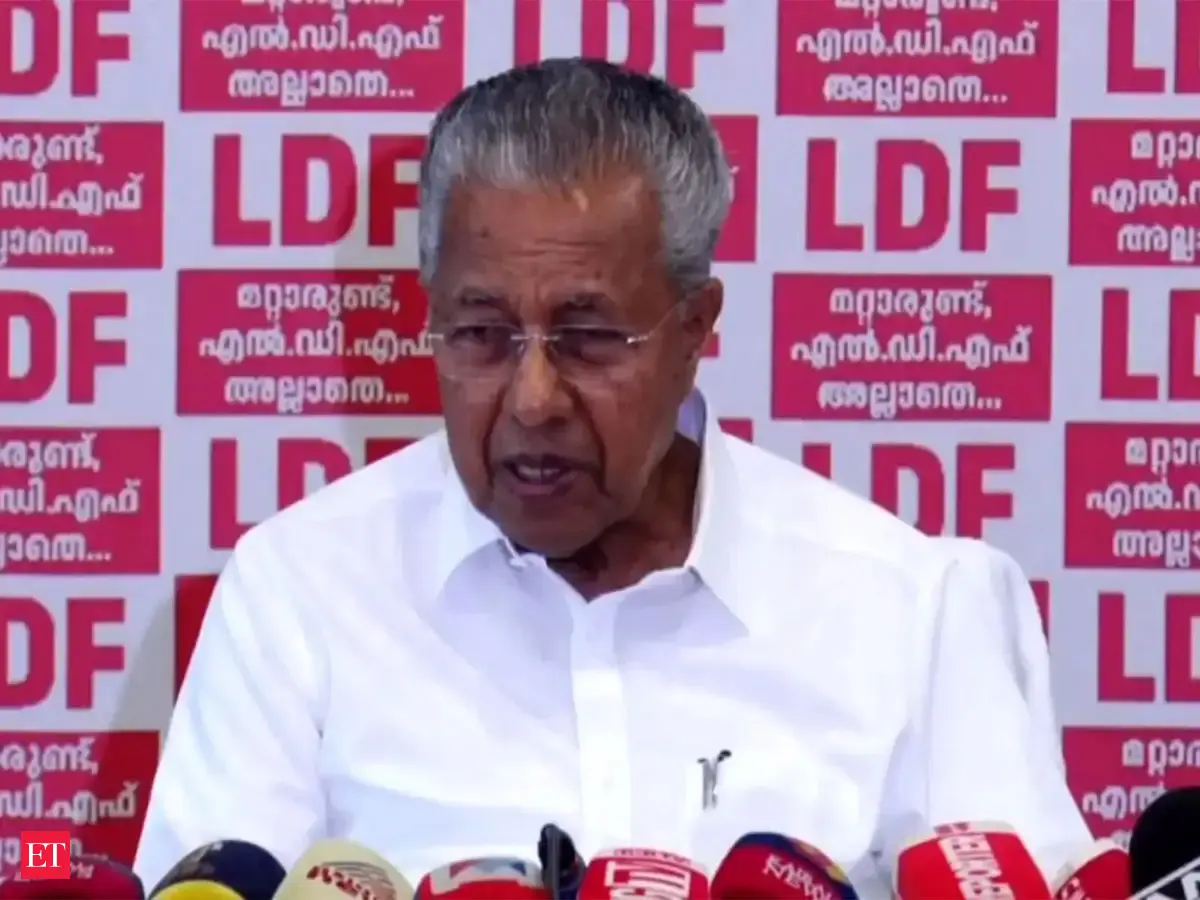
As Kerala approaches its 2026 Assembly elections, anti-incumbency sentiment against the ruling Left Democratic Front (LDF) led by Pinarayi Vijayan is evident but fragmented. Surveys indicate a close contest with the United Democratic Front (UDF) and the BJP-led NDA vying for votes, amid concerns over governance and economic issues.
- 01Kerala's historical pattern shows alternating power between the LDF and UDF every five years.
- 02Recent surveys reveal significant anti-incumbency sentiment, with 47.9% to 53% of voters seeking change.
- 03The LDF maintains advantages through welfare schemes and crisis management despite challenges.
- 04The UDF faces internal disunity and competition from the NDA, complicating its electoral prospects.
- 05The upcoming election on April 9, 2026, is projected to be closely contested with razor-thin margins.
Advertisement
In-Article Ad
The 2026 Kerala Assembly elections are shaping up to be a closely contested affair, with significant anti-incumbency sentiment against the ruling Left Democratic Front (LDF) led by Pinarayi Vijayan. Historical trends show that Kerala alternates between the LDF and the United Democratic Front (UDF) every five years, leading to assumptions about the vulnerability of the ruling party. Current surveys indicate that 47.9% to 53% of voters express a desire for change, reflecting a degree of voter fatigue after the LDF's two consecutive terms from 2016 to 2026. Despite this sentiment, the LDF retains key advantages, including robust welfare schemes and effective crisis management during events like floods and the COVID-19 pandemic. However, criticisms regarding centralized decision-making and governance lapses create challenges for the ruling party. The UDF, while maintaining a strong organizational structure and recent local body victories, struggles with internal disputes and perceptions of being anti-development. The presence of the BJP-led National Democratic Alliance (NDA) adds further complexity to the electoral landscape as it seeks to capture anti-LDF votes. Key voter concerns include economic distress, high youth unemployment exceeding 15%, and governance issues such as corruption scandals. The election is scheduled for April 9, 2026, with vote counting on May 4, 2026. While anti-incumbency sentiment exists, it may not translate into a sweeping defeat for the LDF, suggesting a tight race ahead.
Advertisement
In-Article Ad
The election outcome could significantly influence governance and economic policies in Kerala, affecting welfare schemes and public services.
Advertisement
In-Article Ad
More about Left Democratic Front
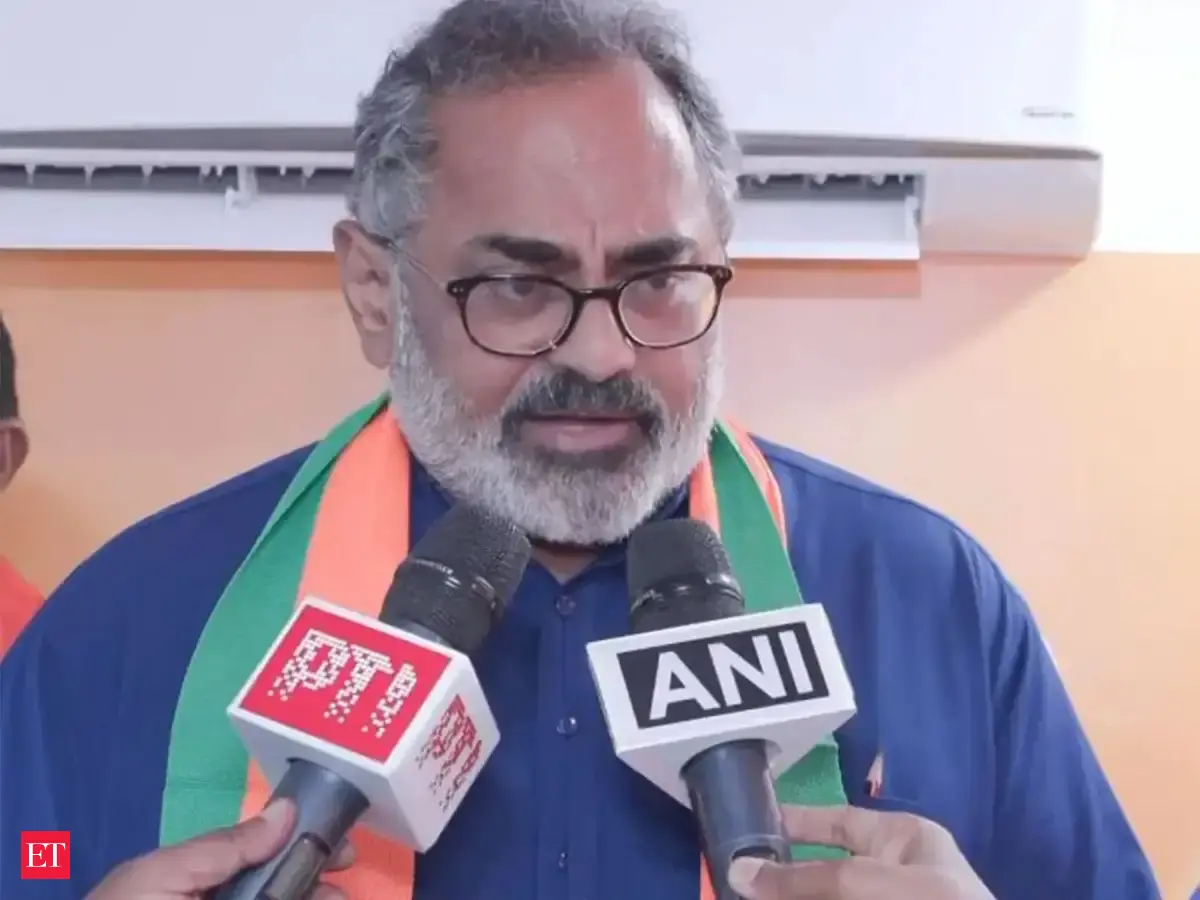
BJP's Rajeev Chandrasekhar Critiques UDF Manifesto Ahead of Kerala Elections
The Economic Times • Apr 2, 2026
Kerala's LDF Promises Enhanced Welfare and Job Opportunities in Election Manifesto
The Economic Times • Apr 2, 2026

Keralam's 2026 Elections: The Crucial Role of Minority Votes
News 18 • Apr 1, 2026
Read the original article
Visit the source for the complete story.