


Failed Iran-US Talks Highlight Pakistan's Diplomatic Challenges
Opinion: Opinion | Failed Iran-US Talks Show Limits Of Pakistan's Peace Push
 Ndtv
Ndtv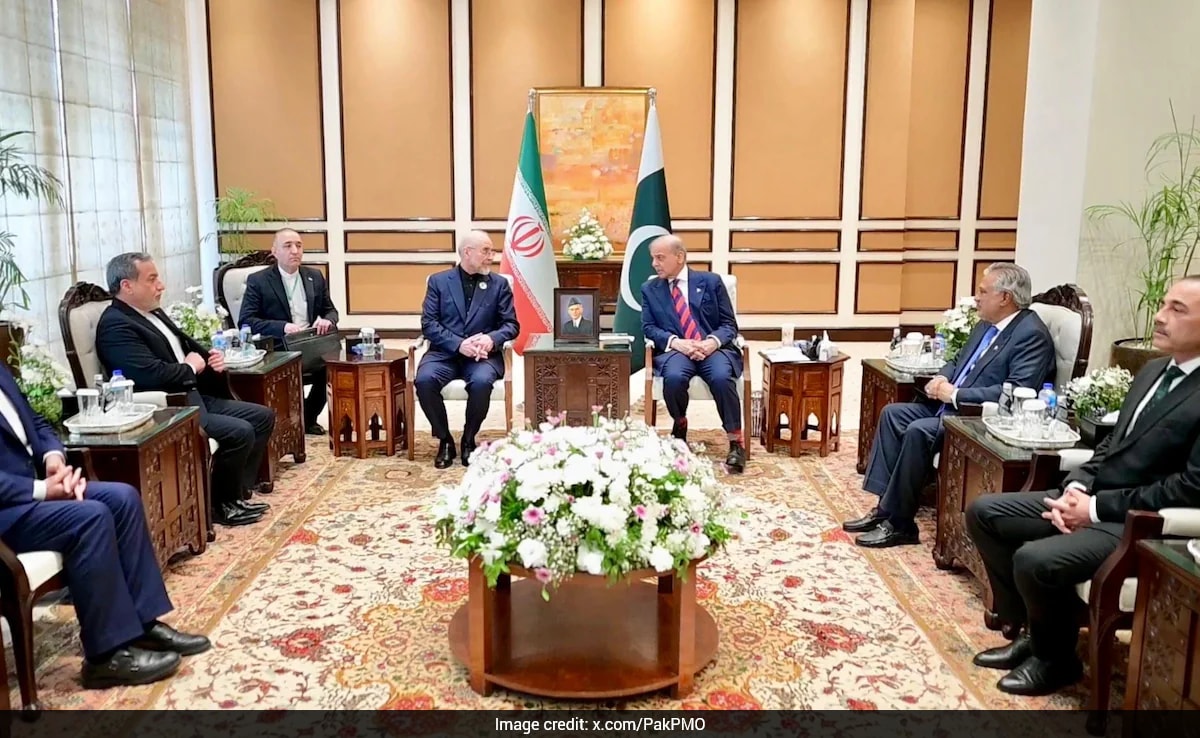
Image: Ndtv
Context
The recent peace talks in Islamabad aimed to resolve tensions between the US and Iran, focusing on issues like Iran's nuclear program and the Strait of Hormuz. Pakistan, supported by an unusual coalition of nations, facilitated these discussions but ultimately could not secure a lasting agreement.
What The Author Says
The author argues that the failed peace talks between the US and Iran illustrate the challenges faced by middle powers like Pakistan in navigating great-power rivalries.
Key Arguments
📗 Facts
- The US and Iran held peace talks in Islamabad that lasted 21 hours but ended without an agreement.
- President Donald Trump ordered a full naval blockade of the Strait of Hormuz, starting Monday morning New York time.
- Pakistan shares a 900-kilometer (560-mile) border with Iran, increasing its vulnerability to regional instability.
📕 Opinions
- The author interprets the failure of the talks as a reflection of American arrogance in diplomacy.
- The author suggests that the coalition of nations involved, despite their differences, demonstrates a willingness to take diplomatic risks.
Counterpoints
Middle powers can still play a crucial role in diplomacy.
Despite the failure, the efforts to convene talks may lay the groundwork for future negotiations and demonstrate the potential for middle powers to facilitate dialogue.
Great powers often dictate the terms of negotiations.
The dynamics of international relations often favor larger nations, which can undermine the efforts of smaller states, regardless of their diplomatic initiatives.
Trust can develop over time among coalition members.
While the current coalition may lack trust, ongoing collaboration could foster relationships that enhance future diplomatic efforts.
Bias Assessment
The author emphasizes the challenges faced by Pakistan and middle powers, potentially overlooking the complexities of US and Iranian positions.
Why This Matters
The failure of these talks is significant as tensions in the Middle East continue to escalate, particularly with the US imposing a naval blockade in the Strait of Hormuz, a crucial energy passage.
🤔 Think About
- •What alternative strategies could middle powers employ to mediate effectively?
- •How do great power dynamics impact the agency of smaller nations in international diplomacy?
- •What lessons can be learned from this failed negotiation for future diplomatic efforts?
- •Could increased cooperation among regional players lead to more stable outcomes in the Middle East?
Opens original article on Ndtv
Advertisement
In-Article Ad
Reader Poll
Do you believe middle powers can effectively mediate between great powers?
Connecting to poll...