Revisiting Ambedkar's Insights on Hindu-Muslim Relations and Congress Politics
Right Word | How Ambedkar Examined Pakistan, Hindu-Muslim Unity, And Congress Politics
 News 18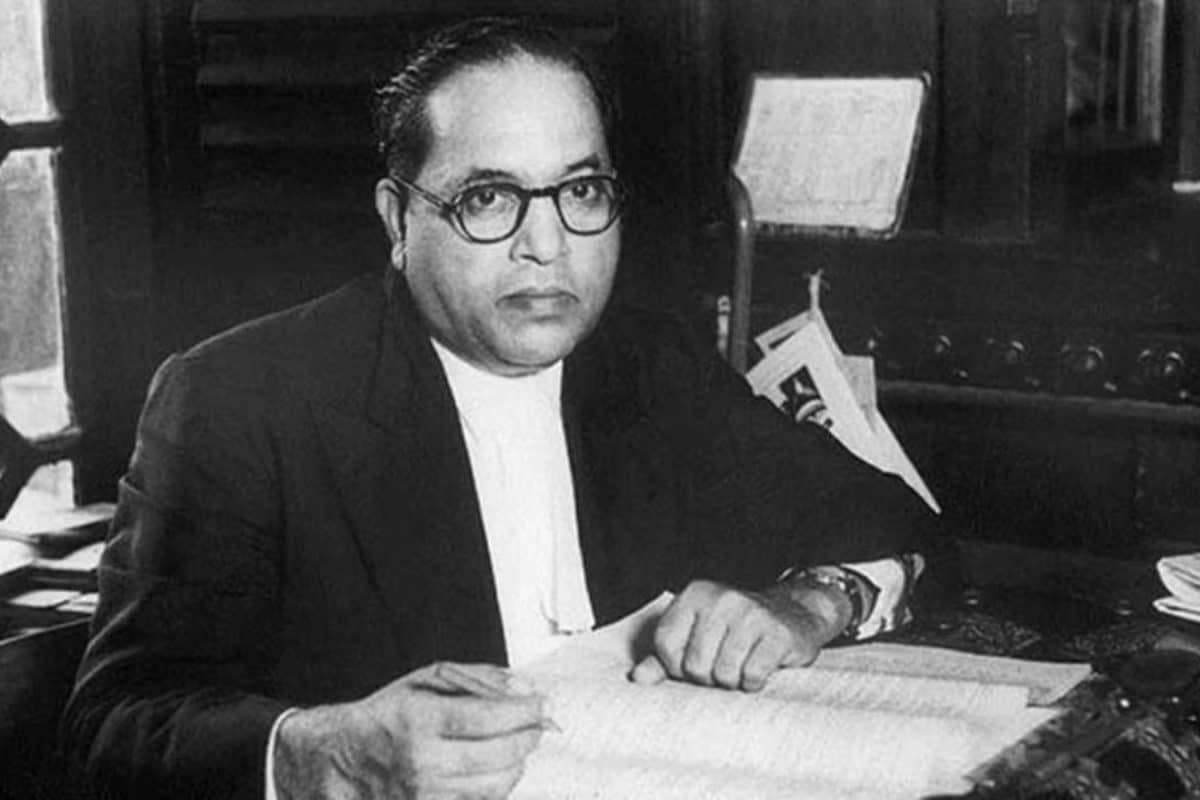
Image: News 18
Context
Dr. Bhimrao Ramji Ambedkar was a prominent Indian social reformer and the chief architect of the Indian Constitution. His writings and speeches addressed critical issues of his time, including the relationship between Hindus and Muslims and the political dynamics of the Indian National Congress.
What The Author Says
The author argues that Ambedkar's insights into Hindu-Muslim relations and Congress politics reveal uncomfortable truths about communal tensions in India.
Key Arguments
📗 Facts
- The Communal Award was announced on August 16, 1932, following the Second Round Table Conference in December 1931.
- Ambedkar noted that prominent Hindus were murdered by Muslims due to religious tensions, including Swami Shradhanand in 1926 and Rajpal in 1929.
- Ambedkar published 'Pakistan or the Partition of India' in 1940, addressing the implications of the Muslim League's demands for a separate nation.
📕 Opinions
- Ambedkar believed that the Congress's neutral stance was a misguided attempt to maintain harmony.
- He argued that historical animosities between Hindus and Muslims are more significant than any superficial commonalities.
Counterpoints
The Congress aimed for unity and compromise.
Some may argue that the Congress's neutrality was a strategic choice to promote peace and avoid further conflict.
Shared cultural heritage exists between Hindus and Muslims.
Critics of Ambedkar's view might contend that there are significant cultural and historical ties that can foster unity.
Violence is not representative of the entire community.
Opponents may argue that the actions of a few individuals do not reflect the broader Muslim community's views or behaviors.
Bias Assessment
The author presents Ambedkar's critiques with a focus on their relevance today, potentially overlooking more positive aspects of Congress's role.
Why This Matters
Ambedkar's perspectives are particularly relevant today as India grapples with ongoing communal tensions and debates about national identity.
🤔 Think About
- •What are the implications of Ambedkar's views for contemporary Hindu-Muslim relations?
- •Can historical grievances be reconciled to foster unity in modern India?
- •How should political parties address communal tensions while striving for national unity?
- •What role does historical memory play in shaping current communal dynamics?
Opens original article on News 18
Advertisement
In-Article Ad
Reader Poll
Do you agree with Ambedkar's assessment of Hindu-Muslim unity?
Connecting to poll...