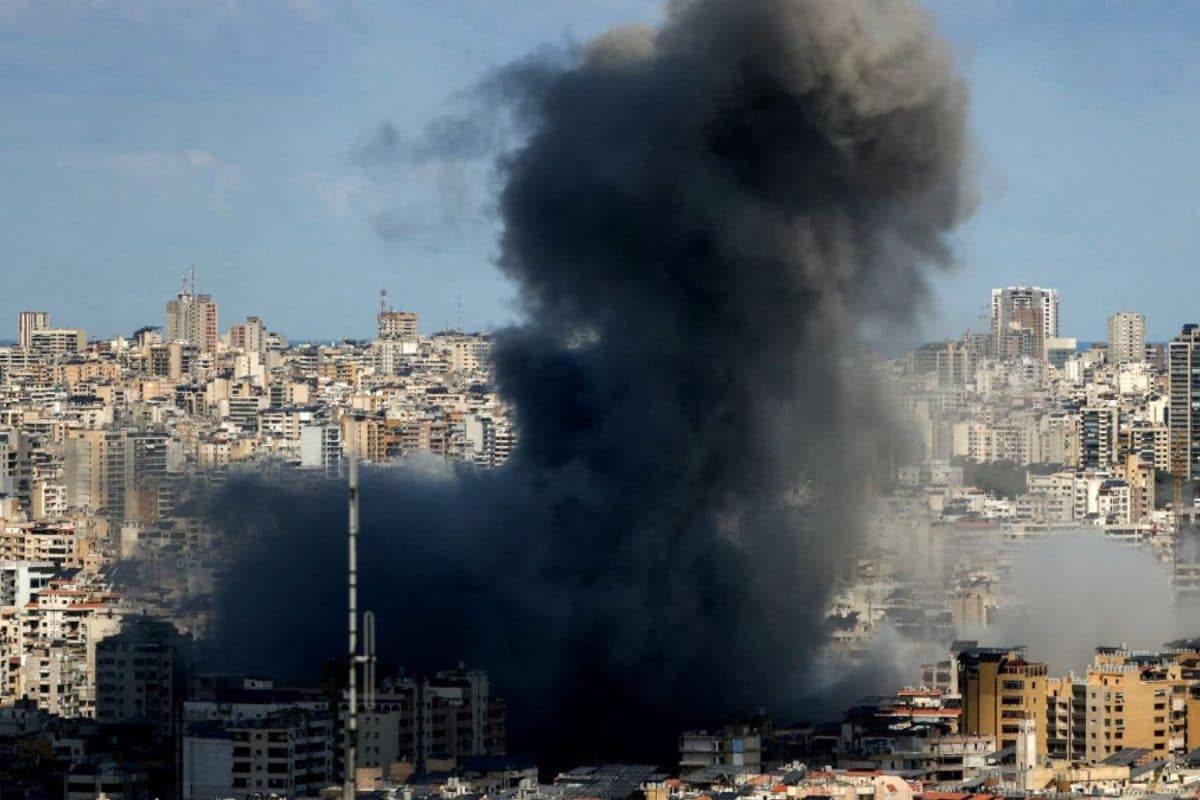


Iran's Mojtaba Khamenei Signals Defiance Ahead of Peace Talks with the US
Iran Enters Peace Talks ‘Defiant’ As Mojtaba Khamenei Calls Ceasefire ‘Not End Of War’ | Exclusive
 News 18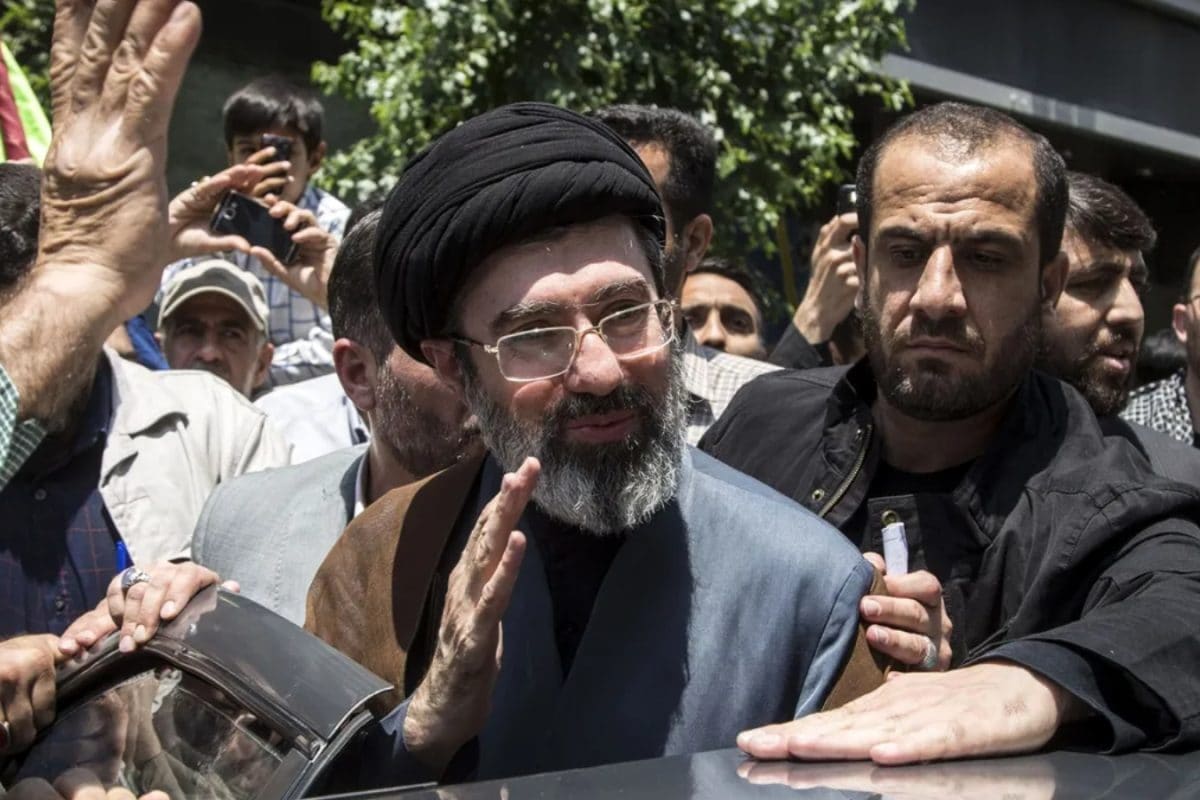
Image: News 18
Iranian Supreme Leader Mojtaba Khamenei has indicated a defiant stance ahead of peace talks with the US in Islamabad, framing the current ceasefire as a tactical pause rather than an end to conflict. He emphasized Iran's resolve to pursue its demands, including sanctions relief and security guarantees, while signaling potential resumption of hostilities if conditions are unmet.
- 01Mojtaba Khamenei asserts the ceasefire is a temporary tactical halt, not an end to conflict.
- 02Iran demands sanctions relief and security guarantees in negotiations.
- 03The talks are set to occur in Islamabad with a fragile truce in place.
- 04Khamenei's statements aim to bolster domestic morale and assert Iran's negotiating power.
- 05Pakistan has interests in ensuring energy flow and potential economic opportunities from a broader agreement.
Advertisement
In-Article Ad
Iranian Supreme Leader Mojtaba Khamenei has adopted a defiant approach ahead of peace talks with the United States, scheduled to take place in Islamabad. In a recent speech, Khamenei characterized the ongoing ceasefire as a tactical pause rather than a resolution to the conflict, asserting Iran's intention to seek revenge for the death of his father, Ayatollah Ali Khamenei, due to US-Israeli strikes. He emphasized that while Iran does not desire war, it will not compromise on its rights. Khamenei's statements signal that the current pause in hostilities is conditional, with the potential to reverse if Iran's demands—such as sanctions relief and security guarantees—are not met. The upcoming talks are expected to occur under a fragile truce, with Khamenei aiming to project resilience to both domestic audiences and the US delegation. Pakistan, hosting the discussions, has its own stakes in the outcome, including ensuring uninterrupted oil and gas flows through the Strait of Hormuz and positioning itself for potential economic benefits from reconstruction contracts in a broader agreement. Despite the diplomatic engagement, the tone of Khamenei's messaging suggests a focus on long-term strategic gains rather than immediate de-escalation.
Advertisement
In-Article Ad
The outcome of these talks could significantly influence regional stability and energy security, particularly for countries relying on oil and gas from the Strait of Hormuz.
Advertisement
In-Article Ad
Reader Poll
Do you believe the peace talks between Iran and the US will lead to a lasting resolution?
Connecting to poll...
Read the original article
Visit the source for the complete story.