


IMF Warns of Long-Term Economic Fallout from Middle East Conflict
Global Market | IMF warns of lasting economic impact from war-triggered supply disruptions
 The Economic Times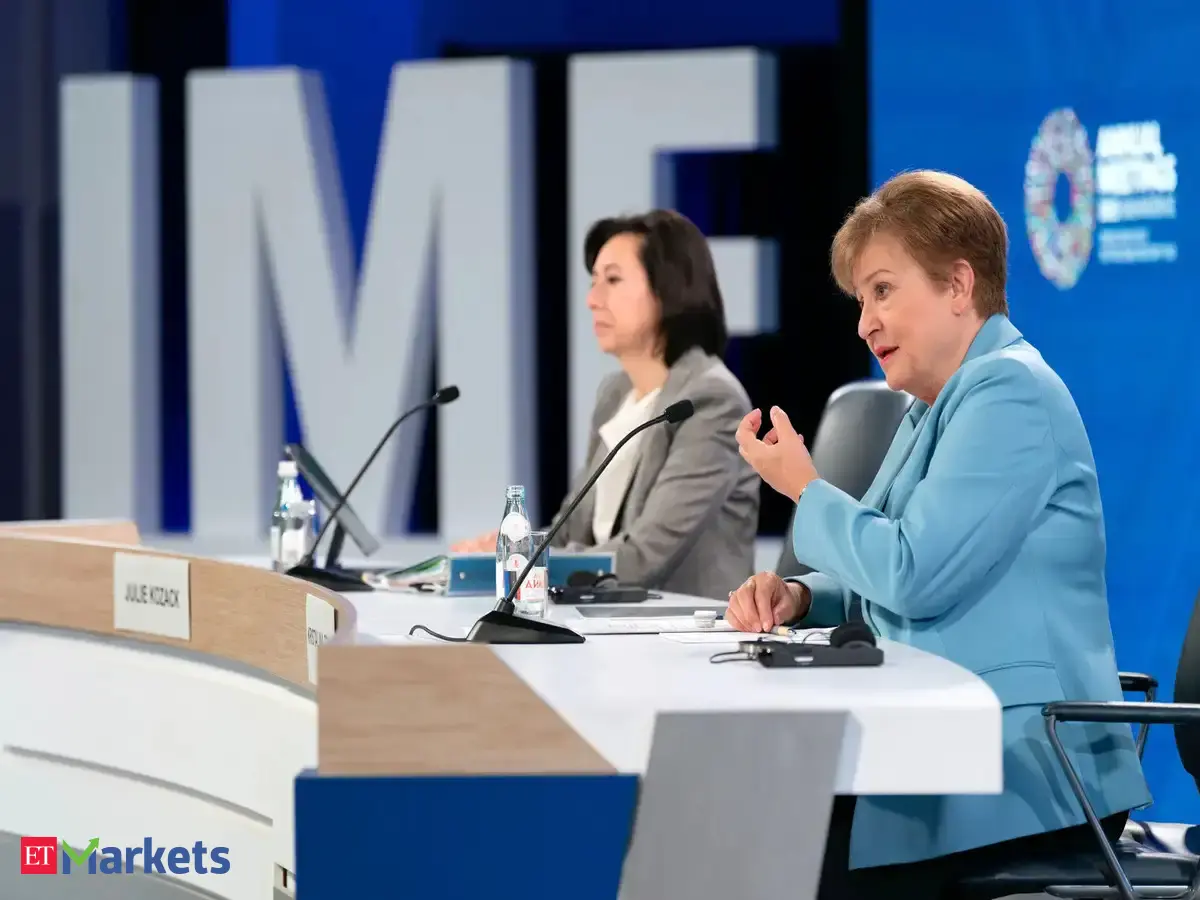
Image: The Economic Times
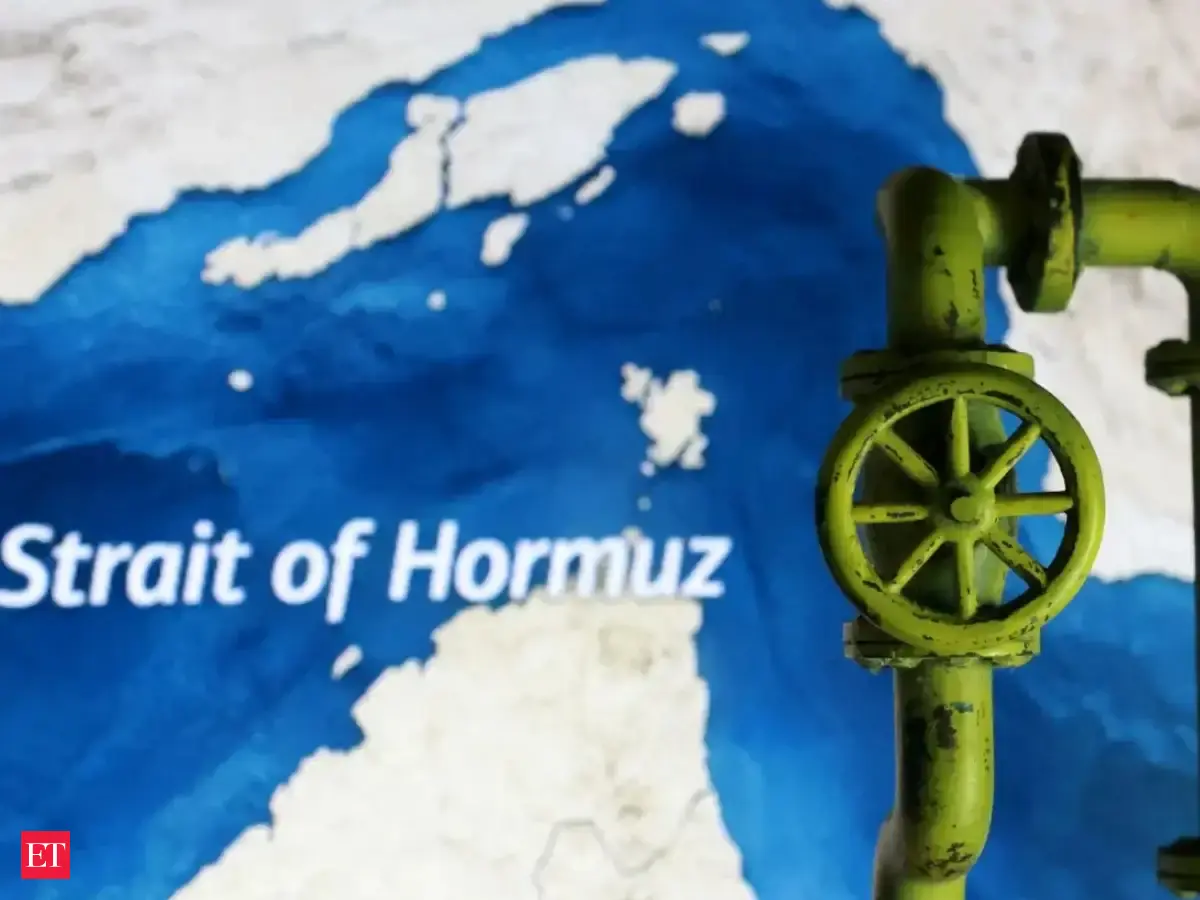
The International Monetary Fund (IMF) warns that the ongoing conflict in the Middle East will significantly impact the global economy, increasing inflation and slowing growth. Disruptions in oil supply, particularly due to Iran blocking the Strait of Hormuz, have already reduced global oil availability by 13%, affecting energy markets and economies worldwide.
- 01The IMF anticipates a downgrade in global growth projections and an increase in inflation due to the ongoing conflict.
- 02Oil supply disruptions have decreased global availability by 13%, impacting energy-importing nations the hardest.
- 03Low-income countries are particularly vulnerable due to limited fiscal capacity to manage rising fuel costs.
- 04The IMF is exploring ways to expand lending programs to assist nations affected by the crisis.
- 05Concerns over food security are rising due to increased energy costs and potential disruptions to fertilizer supplies.
Advertisement
In-Article Ad
The International Monetary Fund (IMF) has issued a warning regarding the ongoing conflict in the Middle East, predicting significant repercussions for the global economy. The conflict has caused unprecedented disruptions in energy supplies, particularly after Iran blocked the Strait of Hormuz, a vital route for oil and gas shipments. As a result, global oil availability has decreased by 13%, leading to increased inflation and slowed economic growth. IMF Managing Director Kristalina Georgieva indicated that even if the conflict resolves quickly, the IMF will likely downgrade its growth projections and raise its inflation outlook. The IMF previously anticipated a modest global growth of 3.3% in 2026 and 3.2% in 2027, but these forecasts are now under review. The economic impact is expected to vary, with energy-importing nations—nearly 85% of IMF member countries—facing the most significant challenges due to rising fuel costs. Low-income countries are at heightened risk of social and economic instability due to their limited ability to absorb these shocks. Some nations have already sought financial assistance from the IMF, which is looking to expand its lending programs. Additionally, the conflict raises concerns about food security, as rising energy costs could disrupt fertilizer supplies. Oil prices have surged, with Brent crude nearing $110 per barrel, reflecting the ongoing geopolitical risks. The IMF emphasizes that lasting damage to global growth and price stability is expected, highlighting the extensive consequences of the conflict.
Advertisement
In-Article Ad
The conflict is expected to lead to higher fuel costs and inflation, particularly affecting energy-importing nations and low-income countries. This could result in economic instability and increased social unrest in vulnerable regions.
Advertisement
In-Article Ad
Reader Poll
How should countries respond to rising energy costs due to geopolitical conflicts?
Connecting to poll...
More about International Monetary Fund

IMF Revises Global Growth Projections Amid Iran Conflict and Rising Inflation
Ndtv • Apr 7, 2026
UAE's Refusal to Extend $3 Billion Debt Rollover Highlights Economic Challenges in Pakistan
News 18 • Apr 6, 2026

Pakistan Faces Economic Strain as UAE Calls In $3 Billion Loan
Business Standard • Apr 6, 2026
Read the original article
Visit the source for the complete story.