




UAE's Refusal to Extend $3 Billion Debt Rollover Highlights Economic Challenges in Pakistan
UAE’s $3 Billion Debt Rollover Refusal Signals Eroding Trust In Pakistan’s Economy
 News 18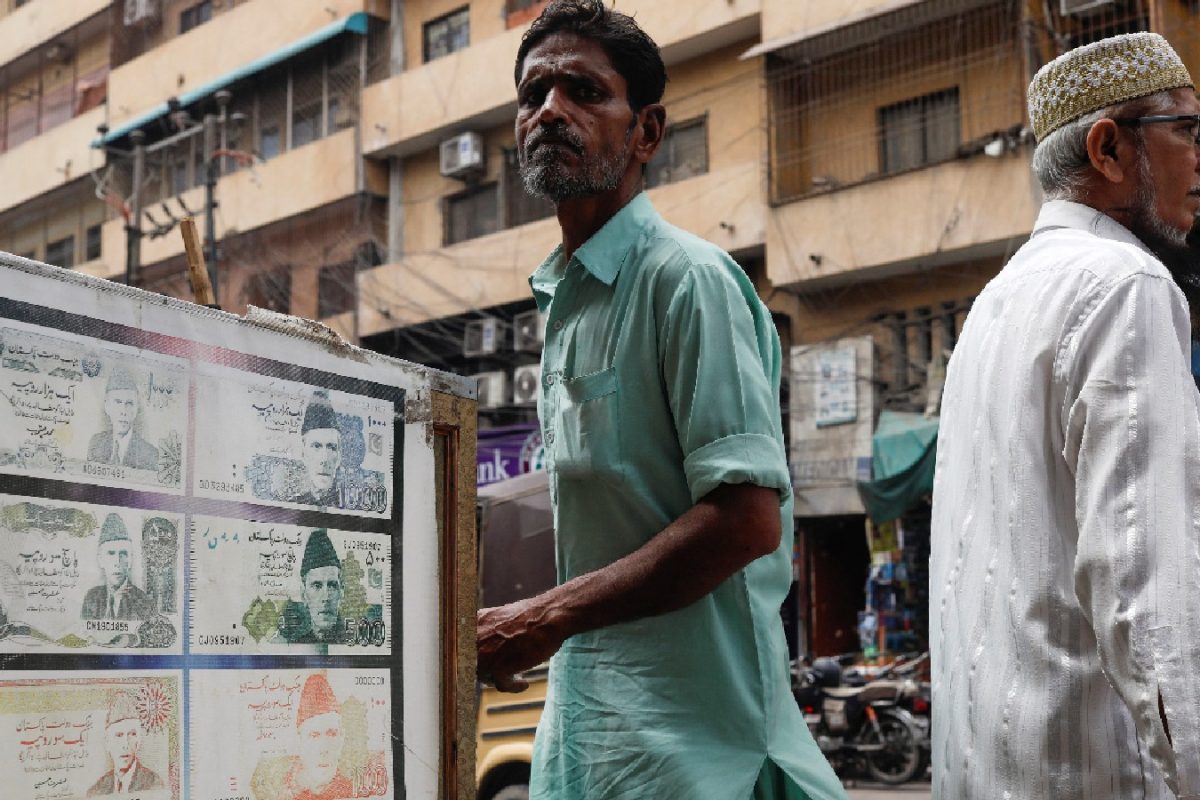
Image: News 18
The United Arab Emirates has declined to roll over $3 billion in debt to Pakistan, exposing weaknesses in the country's economic management and reliance on external bailouts. This refusal, representing nearly 18% of Pakistan's foreign exchange reserves, signals growing fatigue among traditional financial backers amid rising economic pressures.
- 01UAE's refusal to roll over $3 billion in debt signals eroding trust in Pakistan's economy.
- 02The repayment represents nearly 18% of Pakistan's foreign exchange reserves, which are at $16.4 billion.
- 03Pakistan's economy is heavily reliant on foreign loans and bailouts, lacking structural reforms.
- 04The KSE-100 Index has dropped by about 15%, indicating declining investor confidence.
- 05Immediate external obligations include $1.3 billion in international bonds due this month.
Advertisement
In-Article Ad
The United Arab Emirates has refused to roll over $3 billion in debt to Pakistan, a move that highlights the country's fragile economic structure and growing dependence on external support. This repayment accounts for nearly 18% of Pakistan's foreign exchange reserves, which stood at $16.4 billion as of late March, barely enough to cover three months of imports. The refusal marks a significant shift after years of financial assistance from the UAE, China, and Saudi Arabia, indicating a potential decline in trust among Pakistan's traditional financial backers. Pakistan's economy has long relied on a cycle of foreign loans and bailouts instead of implementing necessary structural reforms, leading to recurring economic crises. The KSE-100 Index has fallen by approximately 15%, reflecting declining investor confidence. The situation is compounded by the need to repay $1.3 billion in international bonds this month, alongside awaiting a $1.2 billion loan tranche from the International Monetary Fund (IMF). Analysts warn that without timely financial support, the country could face increased volatility in its currency market and further economic challenges.
Advertisement
In-Article Ad
The refusal to extend the debt rollover could lead to tighter financial conditions in Pakistan, potentially resulting in higher interest rates and reduced economic activity.
Advertisement
In-Article Ad
Reader Poll
Do you believe Pakistan can stabilize its economy without external aid?
Connecting to poll...
More about International Monetary Fund
Read the original article
Visit the source for the complete story.