
Reflecting on 30 Years of Super League: Evolution of Media Coverage
Super League at 30: how media coverage has changed since 1996
 The Guardian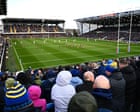
Image: The Guardian
Super League celebrated its 30th anniversary with a match between Leeds and Warrington at Headingley, showcasing the evolution of media coverage since its inception in 1996. From limited televised games to extensive coverage across platforms, the sport has seen significant changes in how fans engage with rugby league.
- 01Super League's launch in 1996 had only three televised games; now, all matches are broadcast live.
- 02Sky Sports paid £87 million for the initial rights, while they now pay £21.5 million for the current season.
- 03The number of full-time rugby league journalists has drastically declined, with only a handful remaining.
- 04Radio coverage has expanded, allowing fans to listen to almost every game live.
- 05The accessibility of rugby league remains a significant advantage for media coverage.
Advertisement
In-Article Ad
Super League marked its 30th anniversary with a match between Leeds and Warrington at Headingley, reflecting on how media coverage has transformed since its inception in 1996. Initially, only three games were televised, despite Sky Sports investing £87 million in the competition. Today, all matches are broadcast live, yet Sky's current rights payment of £21.5 million highlights a shift in financial dynamics. The landscape of journalism has changed dramatically; in 1996, every national newspaper had a dedicated rugby league correspondent, while now, only a few full-time journalists remain. Coverage has shifted to digital platforms, with young writers focusing on rugby league websites rather than traditional newspapers. Radio coverage has also grown, offering live commentary for nearly every game. Despite these changes, the sport's openness and accessibility continue to foster strong relationships between journalists and players, enhancing the media experience.
Advertisement
In-Article Ad
The evolution of media coverage has made rugby league more accessible to fans, increasing engagement and viewership.
Advertisement
In-Article Ad
Read the original article
Visit the source for the complete story.