





FMCG Sector Shows Resilience in Q4 Amid Geopolitical Challenges
FMCG firms report steady growth in Q4 despite geopolitical headwinds
 Business Standard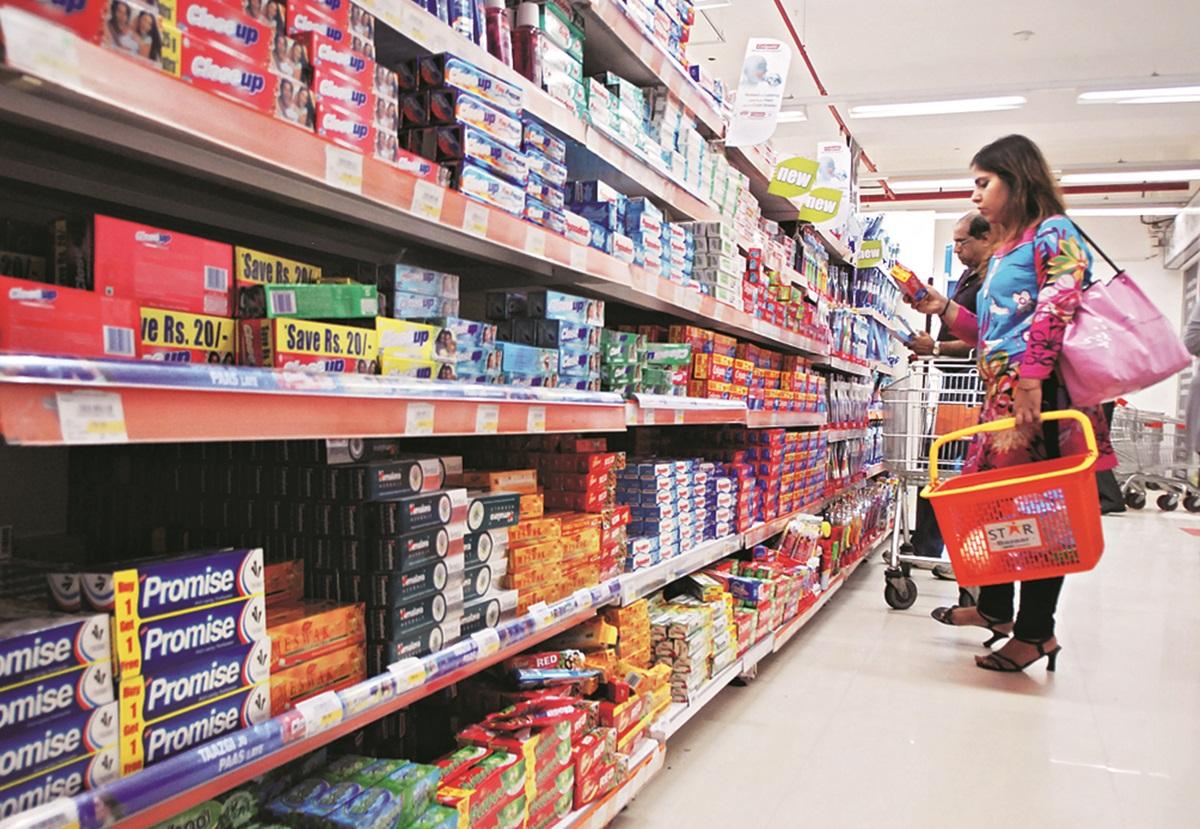
Image: Business Standard
Leading fast-moving consumer goods (FMCG) companies, including Marico and Dabur, reported steady growth in the March quarter of FY26, driven by strong domestic demand and pricing strategies. Despite geopolitical tensions affecting international markets, these firms remain cautiously optimistic about future growth as inflation eases.
- 01Marico's consolidated revenue grew in the low twenties year-on-year, driven by strong domestic and international performance.
- 02Dabur projected mid-single digit revenue growth, benefiting from a recovery in domestic demand.
- 03AWL Agri Business reported a 43% year-on-year growth in alternate retail channels, including e-commerce.
- 04Easing input costs, particularly in key commodities, are expected to support margin expansion.
- 05Geopolitical tensions in West Asia remain a concern for FMCG companies, impacting demand and supply chains.
Advertisement
In-Article Ad
In the March quarter of FY26, leading FMCG companies reported resilient growth despite geopolitical tensions in West Asia. Marico, known for its brands like Parachute and Saffola, experienced a consolidated revenue growth in the low twenties year-on-year, driven by strong domestic consumption and pricing strategies. The company noted a high-single-digit volume growth in India and high-teens growth in international markets, although the Gulf region faced challenges due to geopolitical issues. Similarly, Dabur projected a more moderate revenue growth in the mid-single digits, benefiting from a recovery in domestic demand. AWL Agri Business reported impressive growth in its alternate retail channels, with a 43% year-on-year increase, highlighting the importance of e-commerce and quick commerce in its strategy. Both Marico and Dabur anticipate that easing input costs will support margin improvements in the coming quarters, although they remain vigilant regarding the impact of geopolitical developments on demand and supply chains.
Advertisement
In-Article Ad
The steady growth in the FMCG sector suggests that consumers can expect stable product availability and potentially lower prices as companies manage input costs effectively.
Advertisement
In-Article Ad
Reader Poll
How do you perceive the impact of geopolitical tensions on consumer goods prices?
Connecting to poll...
Read the original article
Visit the source for the complete story.