




Understanding End-Stage Heart Disease and the Role of Heart Transplants
End-Stage Heart Disease: When Heart Transplant Becomes The Only Lifeline
 Ndtv
Ndtv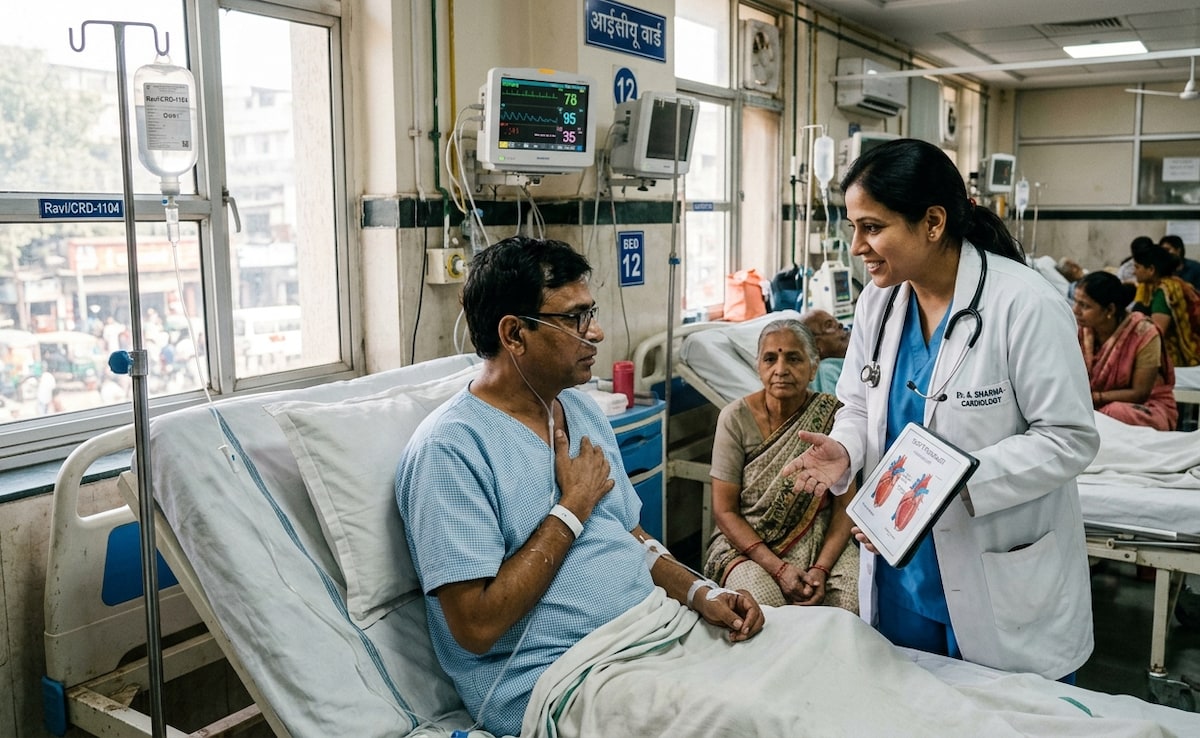
Image: Ndtv
End-stage heart disease, often resulting from dilated cardiomyopathy, severely impacts patients' quality of life and may necessitate heart transplantation when conventional treatments fail. Timely diagnosis and intervention are crucial for improving outcomes, as demonstrated by successful cases in India, where specialized care is essential.
- 01End-stage heart disease is the final phase of heart failure, often caused by dilated cardiomyopathy.
- 02Cardiovascular diseases are the leading cause of death globally, with significant increases in advanced heart failure cases in India.
- 03Heart transplantation is considered the gold standard for eligible patients who do not respond to medical therapy.
- 04Timely diagnosis and intervention can significantly improve survival rates and quality of life for patients.
- 05Support systems, including financial assistance, are vital for patients undergoing heart transplant procedures.
Advertisement
In-Article Ad
End-stage heart disease represents the most severe phase of heart failure, where the heart can no longer pump enough blood to meet the body's needs. Dilated cardiomyopathy is a leading cause of this condition, contributing to the 17.9 million cardiovascular disease-related deaths annually, according to the World Health Organization (WHO). In India, the incidence of advanced heart failure is rising, necessitating complex interventions like heart transplants. Patients often experience debilitating symptoms such as breathlessness, extreme fatigue, and swelling, which significantly affect their quality of life. While medications are the first line of treatment, they may not suffice in advanced cases, making heart transplantation a life-saving option. The transplant process involves careful evaluation and post-surgery care, with survival rates improving significantly. A recent successful heart transplant case at Manipal Hospital in Vijayawada exemplifies the potential for recovery through timely intervention. Experts emphasize the importance of early diagnosis, prompt referral, and robust support systems to enhance patient outcomes.
Advertisement
In-Article Ad
Timely intervention and access to heart transplantation can save lives and improve the quality of life for patients suffering from end-stage heart disease.
Advertisement
In-Article Ad
Reader Poll
How important is timely intervention for patients with heart disease?
Connecting to poll...
More about World Health Organization
Read the original article
Visit the source for the complete story.