




Potential Consequences of an Attack on Iran's Bushehr Nuclear Plant
Attack On Iran’s Bushehr Nuclear Plant Could Be Disastrous For The Gulf Region: 4 Reasons Why
 News 18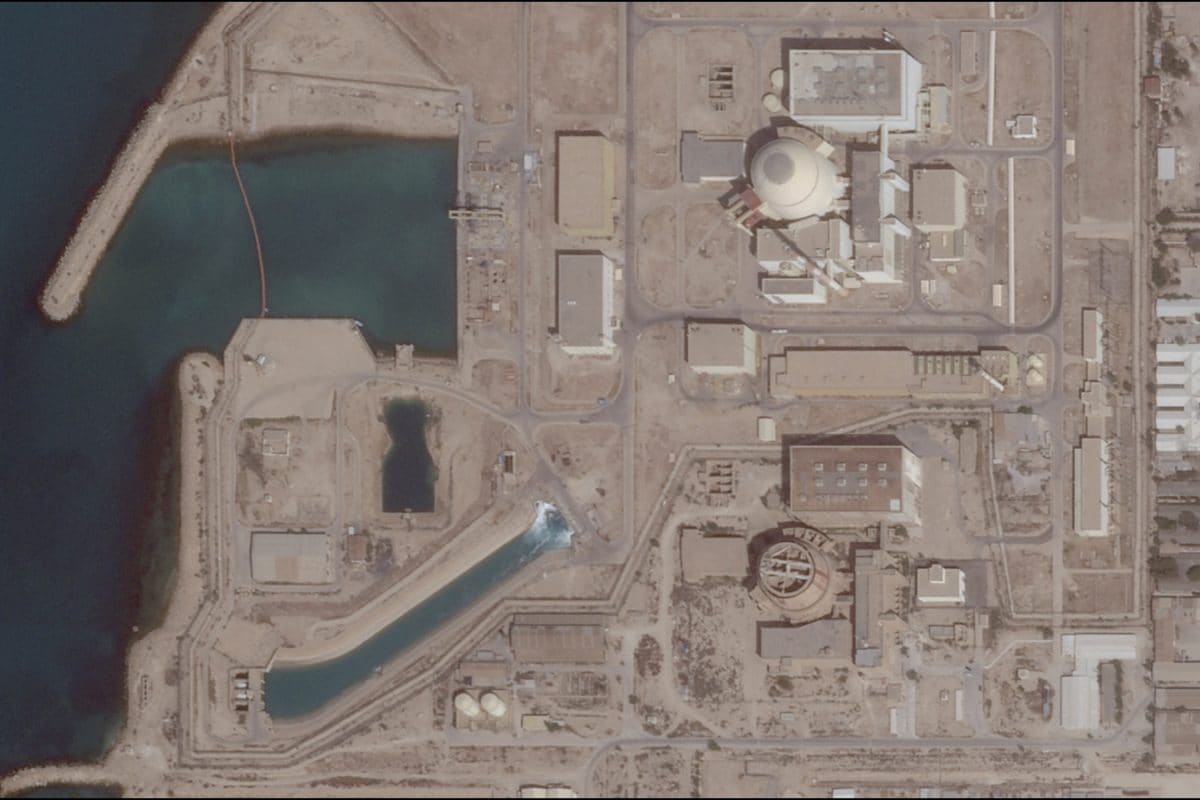
Image: News 18
An attack on Iran's Bushehr Nuclear Power Plant poses severe risks to the Gulf region, including potential contamination of water supplies, immediate radiological threats, and systemic regional instability. The geographical and meteorological conditions could exacerbate the impact on neighboring countries, particularly those reliant on desalination for drinking water.
- 01An attack could lead to severe contamination of the Gulf's water supply.
- 02Prevailing winds and currents could spread radioactive fallout to neighboring countries.
- 03A direct strike could result in immediate radiological threats and health risks.
- 04Regional economic and security stability would be severely compromised.
- 05The Gulf region's reliance on desalination makes it particularly vulnerable.
Advertisement
In-Article Ad
An attack on Iran's Bushehr Nuclear Power Plant, the country's only operational nuclear facility, could have catastrophic consequences for the Gulf region. The plant's coastal location raises the risk of severe radiological and environmental hazards that could affect neighboring countries more than Iran itself. Experts warn that contamination of the Persian Gulf, which serves as a primary source of drinking water for many Gulf Cooperation Council (GCC) nations, could lead to dire shortages. For instance, countries like Qatar, which relies on desalination for 99% of its water, could face critical shortages within days if the water supply is contaminated with radioactive isotopes such as Caesium-137. Additionally, prevailing winds could carry radioactive fallout toward GCC capitals, exacerbating the health risks associated with exposure to radiation. A direct strike on the reactor could cause a massive release of radioactivity, necessitating evacuations across several countries. Beyond immediate health concerns, such an incident could destabilize the region's economy and security, threatening vital trade routes and local ecosystems.
Advertisement
In-Article Ad
The potential contamination of the Gulf's water supply could lead to severe drinking water shortages in countries like Qatar, Kuwait, and Bahrain, affecting millions of residents.
Advertisement
In-Article Ad
Reader Poll
What should be the international response to threats against nuclear facilities?
Connecting to poll...
More about International Atomic Energy Agency
IAEA Confirms Iran's Bushehr Nuclear Plant Remains Intact Amid Military Strikes
Ndtv • Apr 6, 2026

Risks of Nuclear Fallout in West Asia Following Strikes on Iran's Bushehr Plant
Hindustan Times • Apr 5, 2026

WHO Chief Warns of Nuclear Disaster Risk Amid Escalating Tensions in Iran
The Economic Times • Apr 5, 2026
Read the original article
Visit the source for the complete story.