



Tamil Nadu CM Critiques CBSE Curriculum as Linguistic Imposition
CBSE’s recent curriculum not academic reform but calculated attempt at linguistic imposition: Stalin
 The Hindu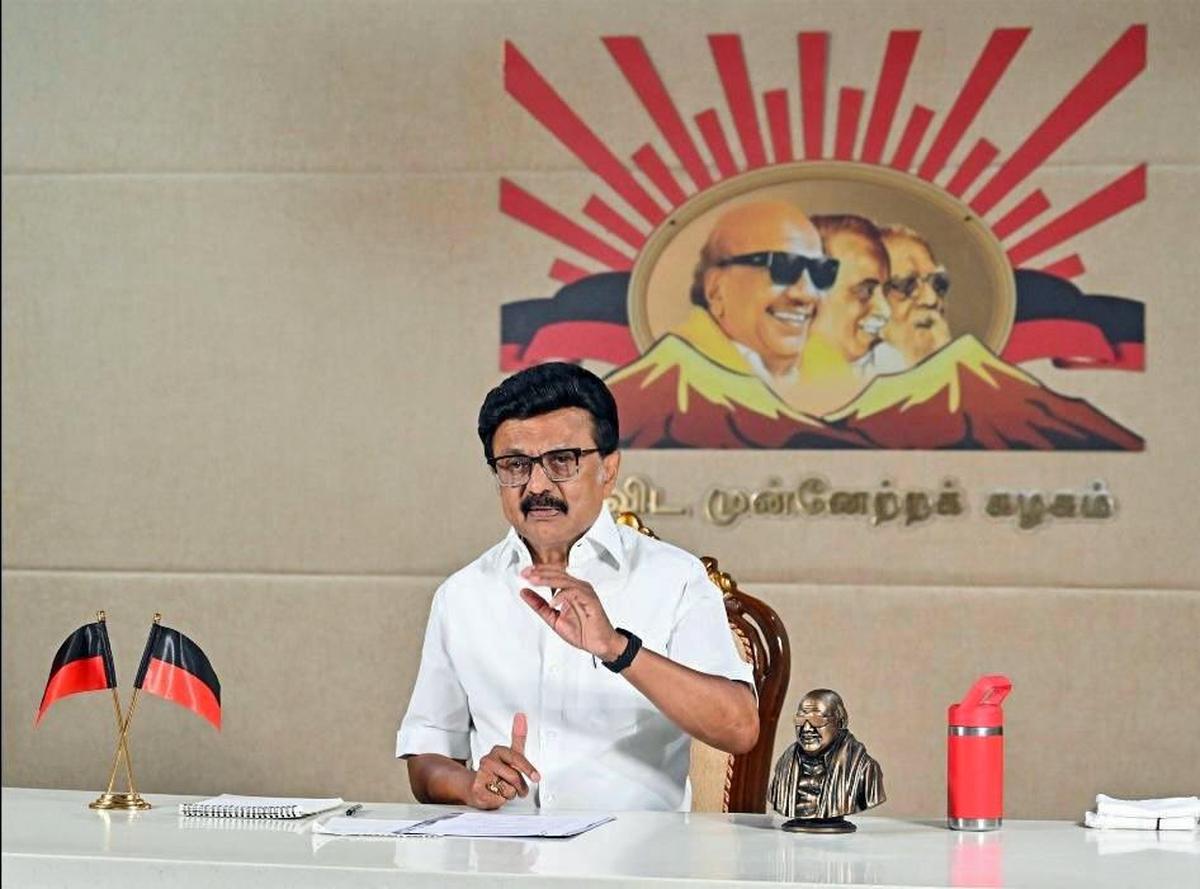
Image: The Hindu
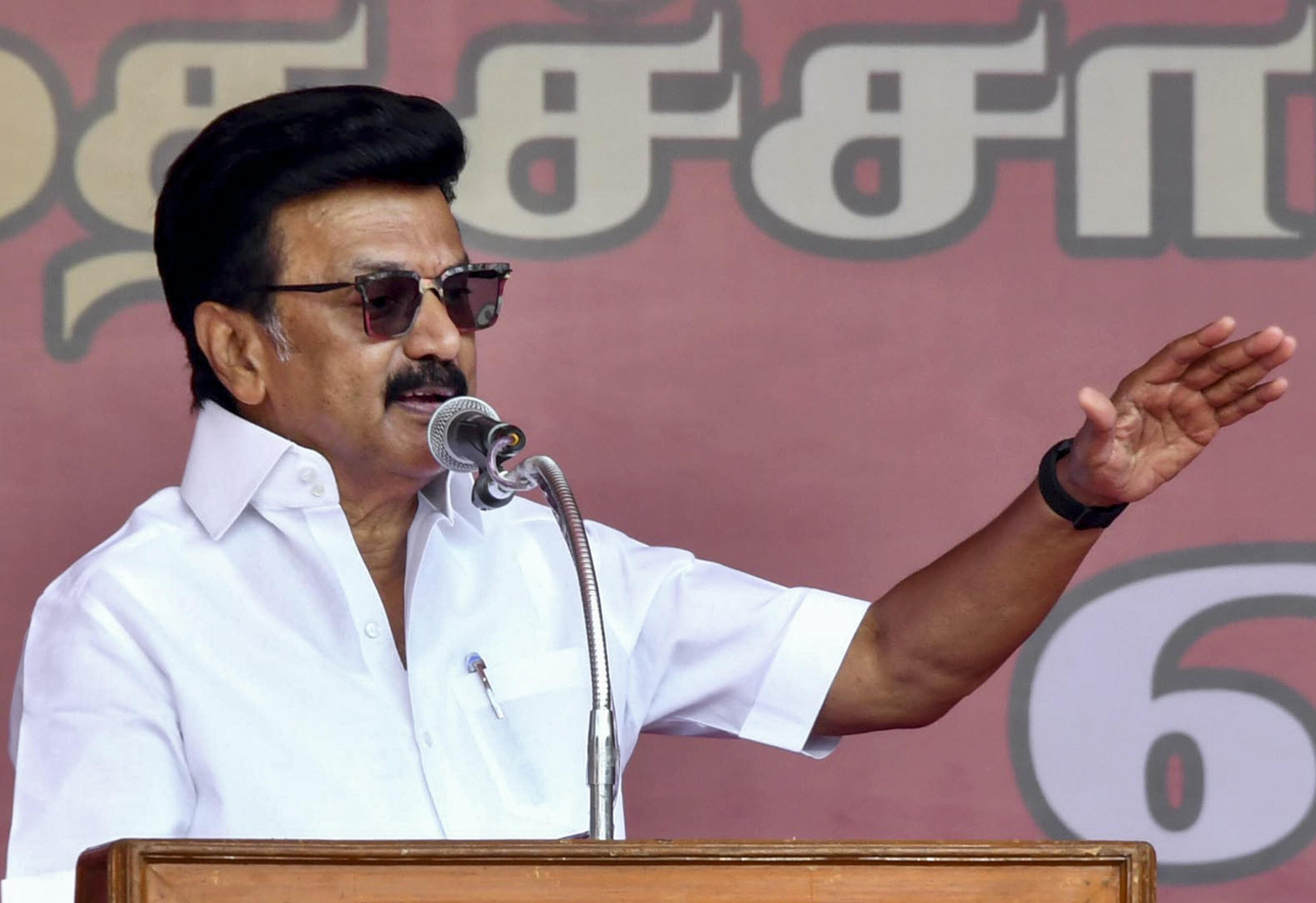
M.K. Stalin, Chief Minister of Tamil Nadu, criticized the Central Board of Secondary Education's new curriculum, claiming it is a calculated attempt at imposing Hindi over regional languages. He argues that the policy undermines India's linguistic diversity and raises concerns about fairness and federalism.
- 01Stalin argues the new CBSE curriculum prioritizes Hindi at the expense of regional languages.
- 02He questions the lack of reciprocity in language requirements for students across India.
- 03Stalin highlights the absence of qualified teachers and funding for the curriculum's implementation.
- 04He warns that this policy could exacerbate regional disparities in education and employment.
- 05Stalin calls for a focus on equipping students with skills for emerging sectors instead of imposing a rigid language framework.
Advertisement
In-Article Ad
M.K. Stalin (Chief Minister of Tamil Nadu) has condemned the recently introduced curriculum framework by the Central Board of Secondary Education (CBSE), which aligns with the National Education Policy 2020, as a strategic move to impose Hindi on non-Hindi speaking states. He argues that this initiative, disguised as a promotion of Indian languages, undermines the rich linguistic diversity of India by favoring Hindi. Stalin points out that while southern states are compelled to teach Hindi, there is no requirement for students in Hindi-speaking states to learn regional languages like Tamil or Telugu, highlighting the policy's discriminatory nature. He questions the Union government's commitment to promoting Indian languages, citing its failure to make Tamil mandatory in schools and the lack of qualified teachers and resources for implementation. Stalin warns that this policy could deepen regional inequalities in education and employment opportunities, urging a shift towards preparing students for future skills in sectors like artificial intelligence and gaming. He emphasizes that India's strength lies in its diversity, and any attempt to enforce uniformity threatens the nation's pluralistic foundation.
Advertisement
In-Article Ad
The imposition of Hindi in the curriculum could disadvantage Tamil Nadu students in higher education and job markets, widening existing regional disparities.
Advertisement
In-Article Ad
Reader Poll
Do you support the three-language formula proposed by the CBSE?
Connecting to poll...
More about Central Board of Secondary Education
DMK Criticizes CBSE's Three-Language Policy as Linguistic Imposition
Asianet Newsable • Apr 4, 2026
Debate Intensifies Over National Education Policy as Tamil Nadu Elections Approach
News 18 • Apr 4, 2026
Tamil Nadu's Chief Minister Critiques Central Government's Language Policy
Business Standard • Apr 4, 2026
Read the original article
Visit the source for the complete story.