


DMK Criticizes CBSE's Three-Language Policy as Linguistic Imposition
DMK Slams CBSE's Three-Language Formula as 'Linguistic Imposition'
 Asianet Newsable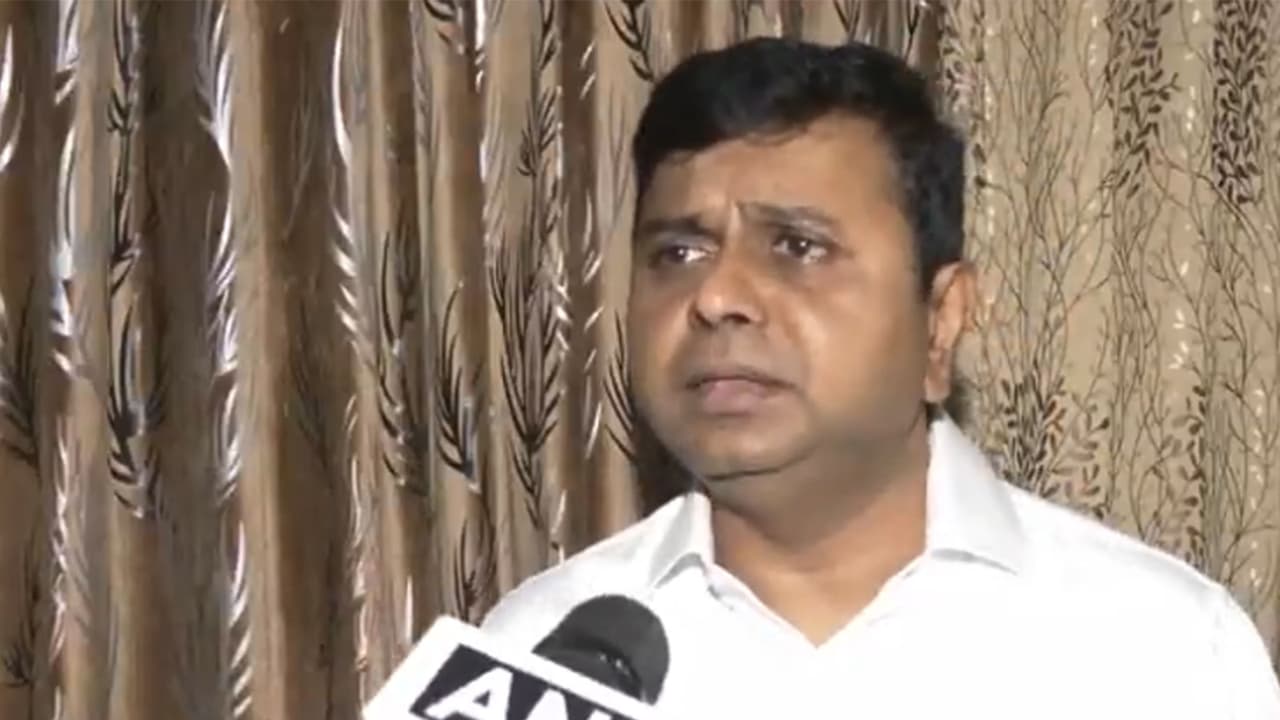
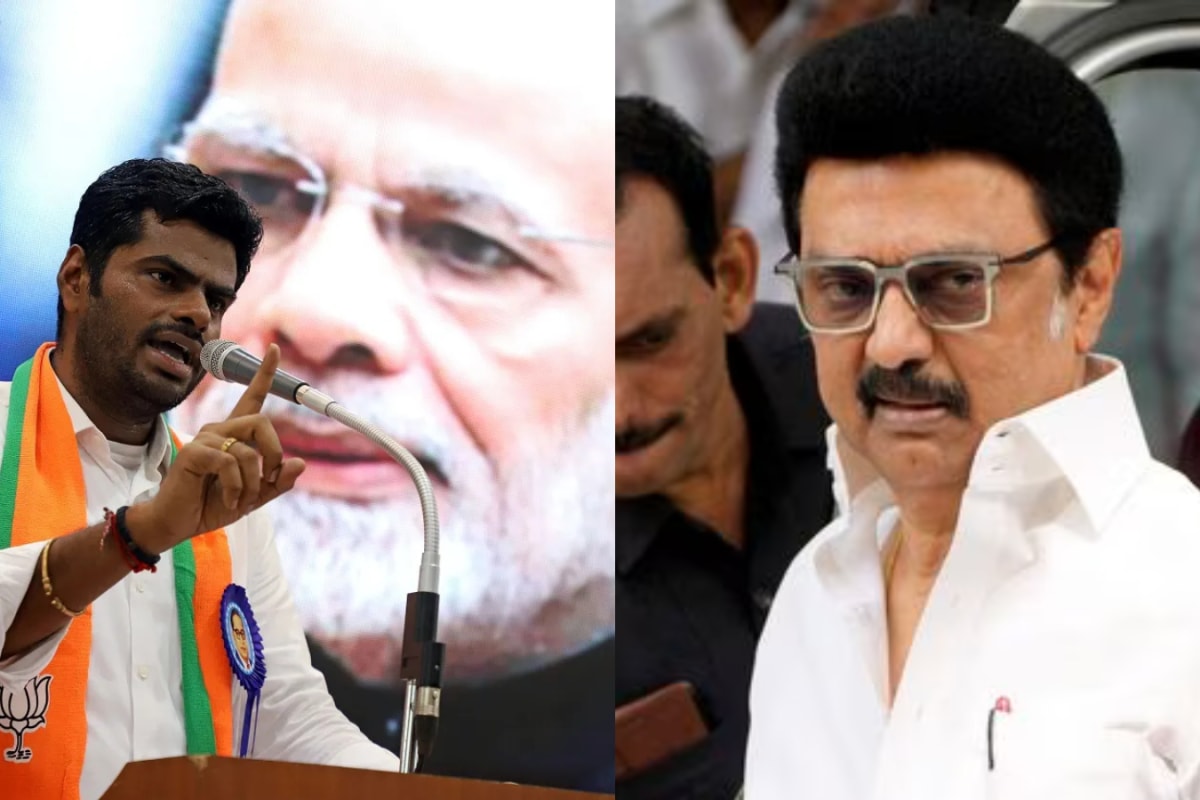
Image: Asianet Newsable
The Dravida Munnetra Kazhagam (DMK) party has condemned the Central Board of Secondary Education's (CBSE) new three-language formula, labeling it an act of 'linguistic imposition' that prioritizes Hindi over regional languages. Tamil Nadu Chief Minister MK Stalin argues that the policy undermines federalism and marginalizes non-Hindi-speaking states, urging respect for India's linguistic diversity.
- 01DMK spokesperson Saravanan Annadurai criticizes the CBSE's three-language formula as a 'linguistic imposition'.
- 02Chief Minister MK Stalin calls the policy a 'calculated attempt' to prioritize Hindi over regional languages.
- 03The new curriculum framework is set to be implemented from the 2026-27 academic year.
- 04Stalin warns that the policy threatens India's linguistic diversity and undermines federalism.
- 05The DMK emphasizes the need for reciprocity in language education across states.
Advertisement
In-Article Ad
The Dravida Munnetra Kazhagam (DMK) party has expressed strong opposition to the Central Board of Secondary Education's (CBSE) recently announced three-language formula, which is part of a new curriculum aligned with the National Education Policy (NEP). DMK spokesperson Saravanan Annadurai described the initiative as a 'linguistic imposition', arguing that it fails to accommodate the needs of Southern states where regional languages are predominant. Chief Minister MK Stalin echoed these sentiments, labeling the policy a 'calculated attempt' to elevate Hindi at the expense of regional languages, thereby undermining the principles of federalism and marginalizing non-Hindi-speaking states. The phased implementation of this policy is scheduled to begin in the 2026-27 academic year, starting with Class 6, requiring students to learn an additional language, with at least two being Indian languages. Stalin criticized the framework for structurally favoring Hindi-speaking students and called for a defense of linguistic diversity in India, urging political allies to advocate for students' rights and regional identities.
Advertisement
In-Article Ad
The new policy could significantly affect students in Tamil Nadu and other non-Hindi-speaking states by imposing additional language requirements that may not align with their regional linguistic needs.
Advertisement
In-Article Ad
Reader Poll
Do you support the three-language formula introduced by CBSE?
Connecting to poll...
More about Central Board of Secondary Education

CBSE Introduces Two-Level Exam System for Science and Mathematics in Class 9
The Times Of India • Apr 4, 2026
CBSE Class 12 Sociology Exam 2026: Answer Key and Resources Available
Jagran Josh • Apr 4, 2026
Debate Intensifies Over National Education Policy as Tamil Nadu Elections Approach
News 18 • Apr 4, 2026
Read the original article
Visit the source for the complete story.