

Supreme Court Rules on Mediated Settlements in Matrimonial Disputes
Can’t accept settlement benefits then initiate fresh legal proceedings: Supreme Court
 Hindustan Times
Image: Hindustan Times
The Supreme Court of India ruled that parties in matrimonial disputes cannot withdraw from a mediated settlement after accepting its benefits without valid grounds like fraud or coercion. The court granted divorce in a case where the wife attempted to back out of a settlement, emphasizing the need to uphold the integrity of mediation.
- 01Parties cannot withdraw from mediated settlements without valid reasons.
- 02The Supreme Court emphasized the importance of maintaining the integrity of the mediation process.
- 03The ruling highlights the consequences of frivolous claims in matrimonial disputes.
- 04The court granted divorce based on the irretrievable breakdown of marriage.
- 05Emotional disputes should not escalate into criminal litigation.
Advertisement
In-Article Ad
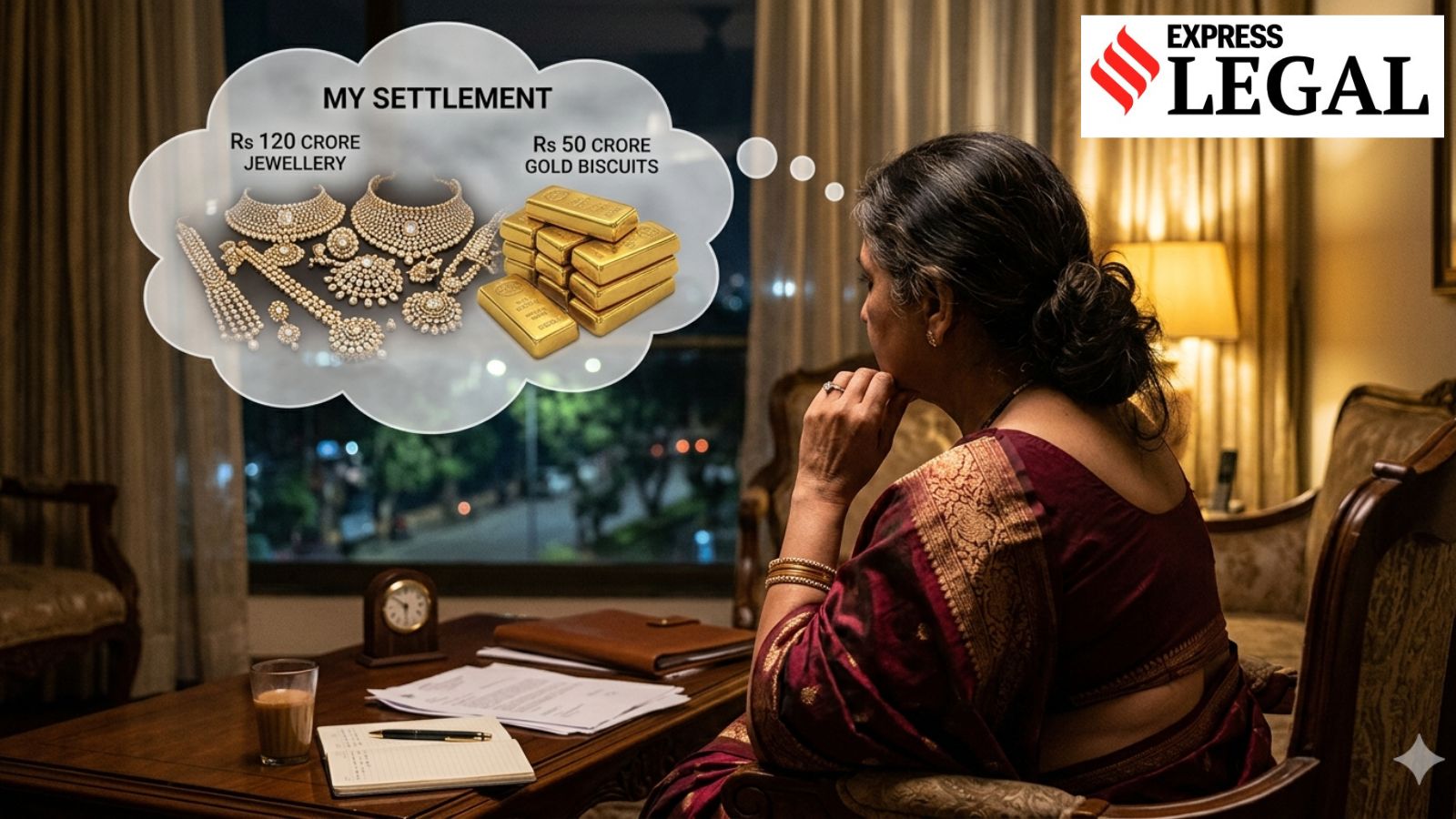
The Supreme Court of India ruled on Monday that parties involved in matrimonial disputes cannot casually withdraw from a mediated settlement after accepting its benefits. The bench, comprising Justices Rajesh Bindal and Vijay Bishnoi, stated that valid grounds such as force, fraud, or undue influence must be established for any withdrawal. In the case at hand, the husband and wife had reached a mediated settlement where the husband agreed to pay ₹1.5 crore and return jewelry. However, the wife later retracted her consent and initiated domestic violence proceedings against her husband and mother-in-law. The Supreme Court disapproved of her claims regarding the settlement and emphasized that emotional disputes should not lead to criminal litigation. Ultimately, the court invoked its powers under Article 142(1) and granted divorce, declaring the marriage had irretrievably broken down, while quashing the lower court's order allowing the domestic violence case to proceed.
Advertisement
In-Article Ad
This ruling reinforces the importance of adhering to mediated settlements in matrimonial disputes, potentially affecting how future cases are handled in family courts.
Advertisement
In-Article Ad
Reader Poll
Do you think mediated settlements should be binding in all legal disputes?
Connecting to poll...
Read the original article
Visit the source for the complete story.