





Oil Prices Surge to Nearly $120, Triggering Global Market Turmoil
Oil price today: Markets shaken as oil hits $100 — stocks tumble, bonds fall: key signals for investors
 The Economic Times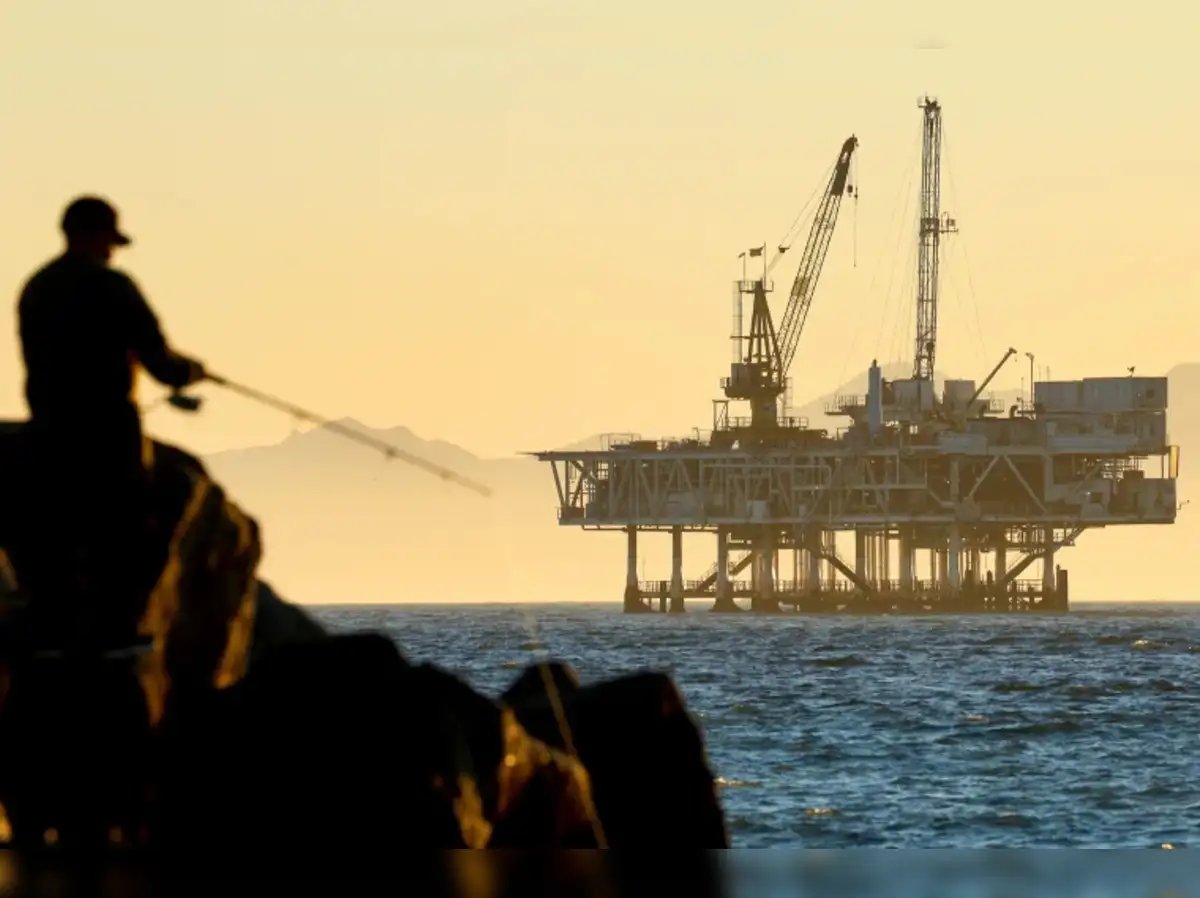
Image: The Economic Times
On March 9, 2023, oil prices surged nearly 28% to almost $120 per barrel, causing a significant selloff in global bond markets. The spike, driven by escalating tensions in the U.S.–Israel–Iran conflict, has led investors to reassess expectations for central bank interest rates amid fears of prolonged inflation and economic disruption.
- 01Oil prices surged nearly 28% to nearly $120 per barrel, triggering a selloff in global bond markets.
- 02The spike in oil prices is attributed to escalating geopolitical tensions in the U.S.–Israel–Iran conflict.
- 03European bond yields rose sharply, reflecting increased inflation fears and a potential shift in central bank policies.
- 04The Strait of Hormuz, a critical oil shipping route, is central to market volatility due to fears of disruptions.
- 05Governments, including the G7, are considering releasing strategic petroleum reserves to stabilize oil markets.
Advertisement
In-Article Ad
On March 9, 2023, oil prices experienced a dramatic surge, climbing nearly 28% to approach $120 per barrel, marking the sharpest increase since 2022. This spike was primarily driven by escalating tensions in the U.S.–Israel–Iran conflict, raising concerns over potential disruptions to oil shipments through the Strait of Hormuz, which carries about 20% of the world's oil supply. The sudden rise in crude prices triggered a significant selloff in global bond markets, as investors adjusted their expectations for inflation and central bank interest rates. In Europe, bond yields surged sharply, with the UK seeing its two-year government bond yield jump nearly 40 basis points, the largest daily increase since the financial turmoil of 2022. Analysts suggest that if oil prices remain elevated, inflation could persist, forcing central banks like the European Central Bank and the Federal Reserve to reconsider their interest rate strategies. As geopolitical tensions continue, the G7 is contemplating the release of strategic petroleum reserves to mitigate the impact on oil markets, although such measures typically provide only temporary relief.
Advertisement
In-Article Ad
The surge in oil prices is likely to lead to higher transportation and manufacturing costs, which could increase consumer prices and affect economic growth.
Advertisement
In-Article Ad
More about European Central Bank
Read the original article
Visit the source for the complete story.