




Balancing Carbon Removal and Biodiversity: New Study Highlights Environmental Trade-offs
Planting trees to remove carbon can harm the environment – or protect it: study highlights trade-offs
 The Conversation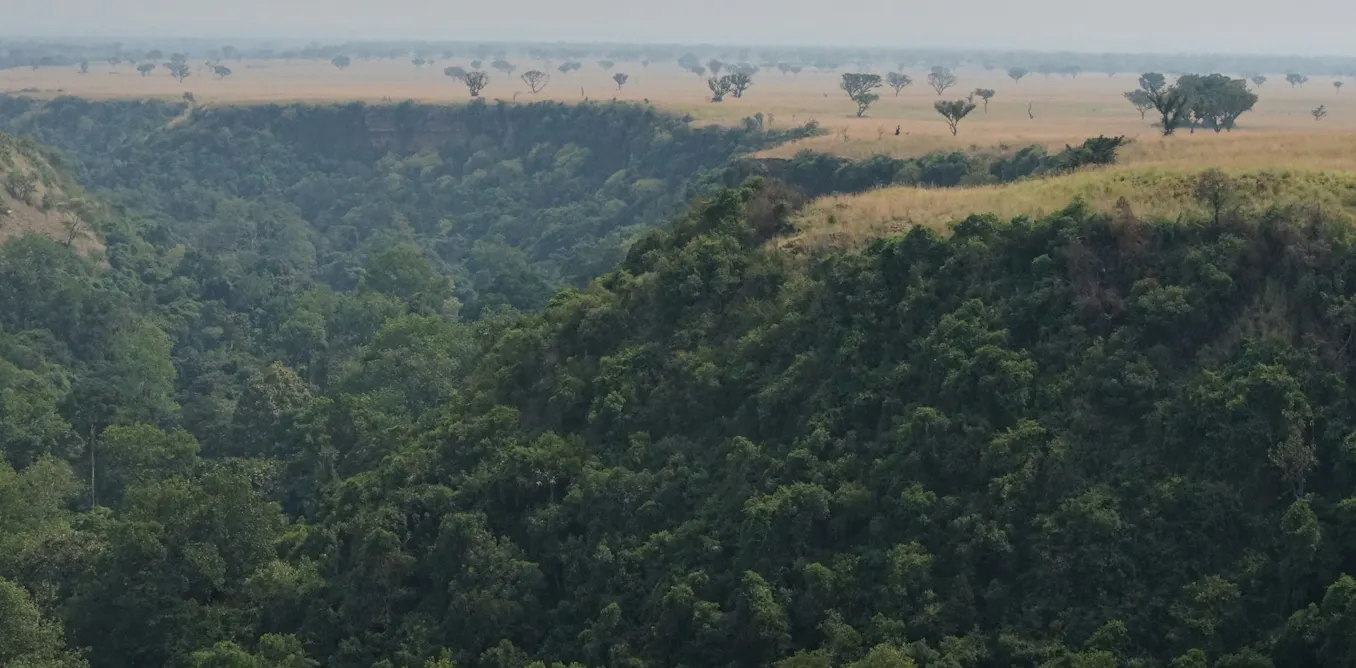
Image: The Conversation
A recent study reveals that large-scale carbon removal strategies, such as tree planting, can conflict with biodiversity conservation. While these strategies are essential to meet climate goals, careful planning is necessary to avoid harming critical ecosystems, particularly in biodiversity hotspots and climate refugia areas.
- 01Carbon removal strategies can conflict with biodiversity conservation efforts.
- 02Tree planting and energy crop production may harm pristine ecosystems.
- 03Careful site selection for carbon removal can yield benefits for biodiversity.
- 04The study highlights the importance of biodiversity hotspots and climate refugia.
- 05Strict enforcement of biodiversity protection may limit land availability for carbon removal.
Advertisement
In-Article Ad
The urgency to combat climate change necessitates significant carbon dioxide emission reductions and the implementation of large-scale carbon removal strategies. A recent study examined the relationship between these strategies and biodiversity conservation, revealing potential conflicts. For instance, planting trees in ecosystems like savannas can disrupt habitats. However, with careful planning, carbon removal efforts can also benefit biodiversity, such as through forest restoration in degraded areas. The study emphasizes the importance of biodiversity hotspots and climate refugia, which are crucial for preserving species as climate change progresses. It found that up to 13% of global climate refugia might be affected by land-intensive carbon removal methods. Moreover, enforcing biodiversity protection could render over 50% of designated carbon removal land unavailable, necessitating alternative approaches. Ultimately, the research advocates for tailored carbon removal strategies that consider local ecosystems to balance climate action and biodiversity preservation.
Advertisement
In-Article Ad
The findings underscore the need for careful planning in carbon removal initiatives to safeguard biodiversity, which is critical for food production and ecosystem health.
Advertisement
In-Article Ad
Reader Poll
How should we prioritize carbon removal versus biodiversity conservation?
Connecting to poll...
Read the original article
Visit the source for the complete story.