The Pioneers of India’s Nuclear Program: Key Figures Behind the Legacy
Meet The ‘Rocket Boys’: Scientists Who Shaped India’s Nuclear Legacy
 News 18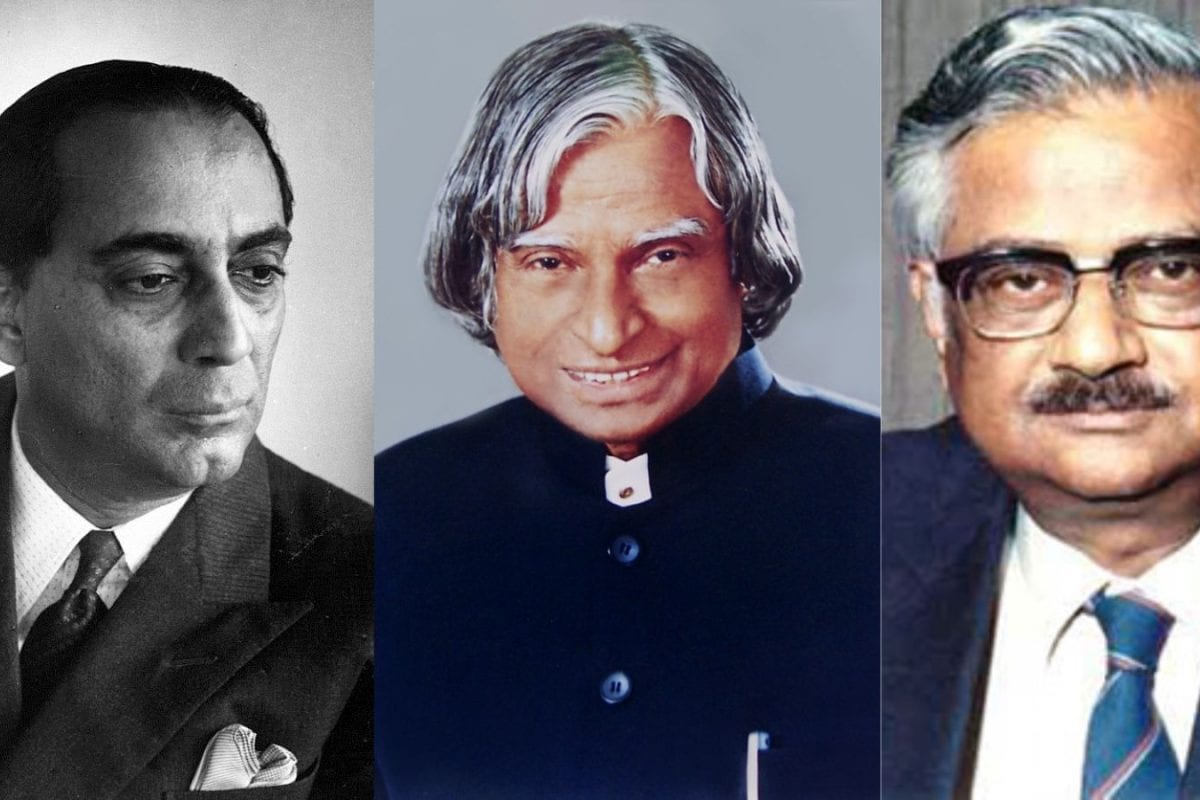
Image: News 18
This article highlights the contributions of pivotal scientists in shaping India's nuclear legacy, including Homi J. Bhabha, Homi N. Sethna, and Dr. APJ Abdul Kalam. Their leadership and innovations led to significant milestones such as the establishment of India's first nuclear reactor and successful nuclear tests, marking India's emergence as a nuclear power.
- 01Homi J. Bhabha founded the Tata Institute of Fundamental Research and was instrumental in establishing India's nuclear program.
- 02The 1974 'Smiling Buddha' test marked India's first successful nuclear test, largely due to the efforts of Homi N. Sethna.
- 03Raja Ramanna led the Pokhran-I test and contributed to India's defense science for decades.
- 04Dr. APJ Abdul Kalam, known as the 'Missile Man of India,' played a crucial role in the 1998 Pokhran-II nuclear tests.
- 05The collective efforts of these scientists have significantly shaped India's nuclear capabilities and national security.
Advertisement
In-Article Ad
The article delves into the contributions of several eminent scientists who played crucial roles in establishing and advancing India's nuclear program. Homi J. Bhabha, who founded the Tata Institute of Fundamental Research (TIFR) in 1945, became the first chairman of the Atomic Energy Commission (AEC) in 1948 and oversaw the operation of APSARA, Asia's first nuclear reactor, by 1956. Homi N. Sethna's leadership during the 1974 'Smiling Buddha' test laid the groundwork for India's nuclear ambitions. Raja Ramanna, who led the Pokhran-I test, continued to influence defense science for decades. Rajagopala Chidambaram was instrumental in both the Smiling Buddha and the 1998 Pokhran-II tests, contributing to national security through his scientific expertise. Dr. P. K. Iyengar, former Director of the Bhabha Atomic Research Centre (BARC), also played a significant role in India's first nuclear test. MR Srinivasan, another former AEC chairman, was pivotal in developing pressurized heavy water reactors, transforming nuclear power into a reliable energy source. Additionally, Dr. VS Arunachalam contributed to classified nuclear and missile programs, while Krishnamurthy Santhanam was a key figure in Pokhran-II, advocating for scientific transparency. Finally, Dr. APJ Abdul Kalam, known for his work with the Defence Research and Development Organisation (DRDO), was a major architect of India's nuclear and defense capabilities, particularly during the 1998 tests.
Advertisement
In-Article Ad
The contributions of these scientists have fortified India's national security and established the country as a significant player in global nuclear policy.
Advertisement
In-Article Ad
Reader Poll
Do you support increased funding for nuclear research in India?
Connecting to poll...
Read the original article
Visit the source for the complete story.