







Concerns Raised Over Voluntary Nature of APAAR Implementation by Raichur MP
APAAR implementation must remain voluntary, inclusive: Kumar Naik
 The Hindu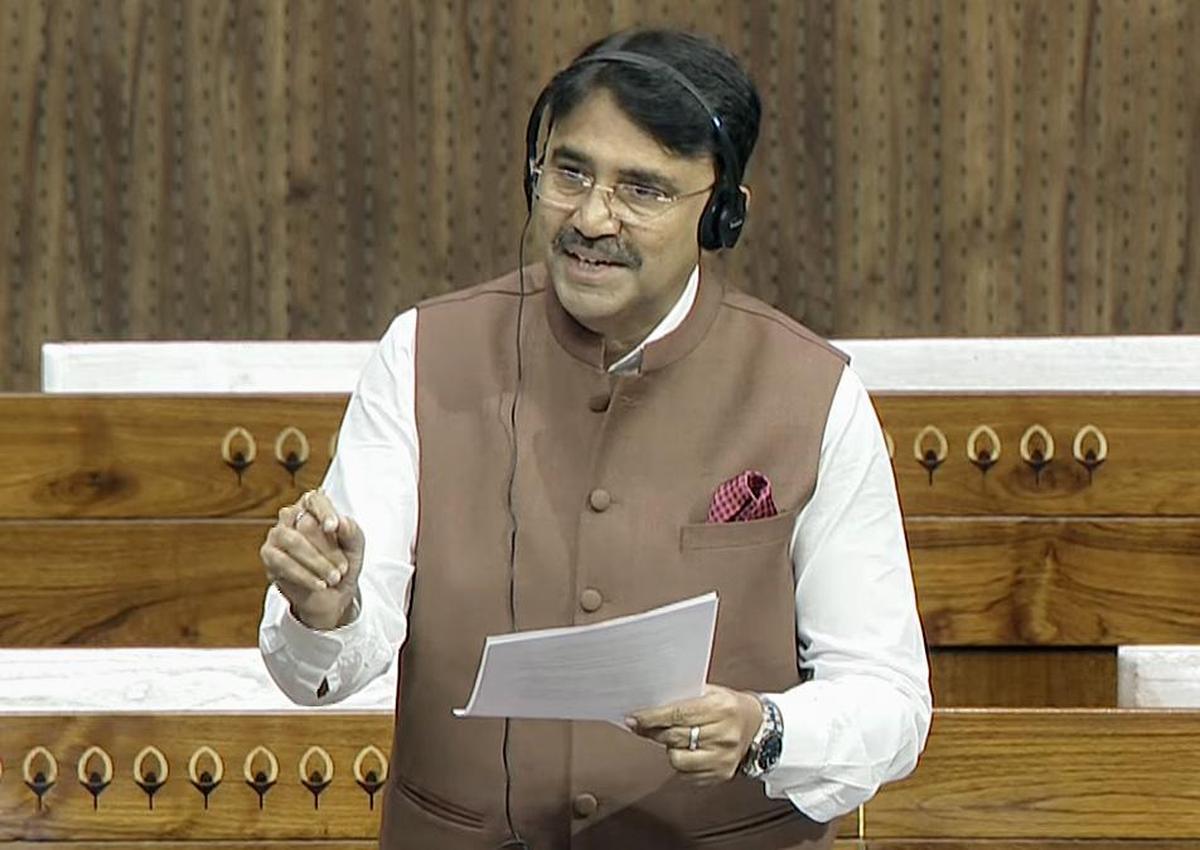
Image: The Hindu
G. Kumar Naik, Member of Parliament from Raichur, has expressed concerns regarding the implementation of the Automated Permanent Academic Account Registry (APAAR) system, emphasizing the need for it to remain voluntary and inclusive. He highlighted that many students are not enrolled and that the Central Board of Secondary Education's new directives may inadvertently disadvantage them.
- 01G. Kumar Naik stresses the importance of voluntary participation in the APAAR system.
- 0240% of students, over 4.5 crore, are currently not enrolled in the APAAR system.
- 03The Central Board of Secondary Education plans to make APAAR IDs mandatory for Classes 9 and 11 from the 2026-27 academic year.
- 04Technical issues have hindered some students from obtaining APAAR IDs, causing potential exclusion.
- 05Naik calls for better communication and safeguards to protect student data and resolve issues promptly.
Advertisement
In-Article Ad
G. Kumar Naik (Member of Parliament for Raichur) has raised significant concerns about the implementation of the Automated Permanent Academic Account Registry (APAAR) system, which is intended to create a lifelong academic identity for students. While the Union government clarified that participation is voluntary and requires informed consent, Naik pointed out a gap between policy intentions and actual preparedness on the ground. He noted that nearly 40% of students, amounting to over 4.5 crore, have not yet enrolled in the system, with many schools leading the enrollment process without adequate awareness among parents. The Central Board of Secondary Education (CBSE) plans to make the APAAR ID mandatory for registration in Classes 9 and 11 starting in the 2026-27 academic year, raising concerns about potential disadvantages for students who are not enrolled. Naik emphasized the need for transparency, better communication with parents, and stronger data protection safeguards to prevent unintended exclusion and administrative burdens on families. The Ministry of Education acknowledged existing technical issues that have prevented some students from obtaining their APAAR IDs and advised states and schools to facilitate necessary corrections. Naik urged the Union government to address these implementation gaps before expanding the system's scope.
Advertisement
In-Article Ad
The concerns raised by Naik could affect students' ability to register for board examinations and their overall academic progress if they are not enrolled in the APAAR system.
Advertisement
In-Article Ad
Reader Poll
Do you support making APAAR IDs mandatory for students?
Connecting to poll...
More about Central Board of Secondary Education
Read the original article
Visit the source for the complete story.