





Artemis II Mission Achieves Historic Milestone During Communications Blackout
Artemis II blackout: What happens when the moon blocks Earth?
 The Indian Express
Image: The Indian Express
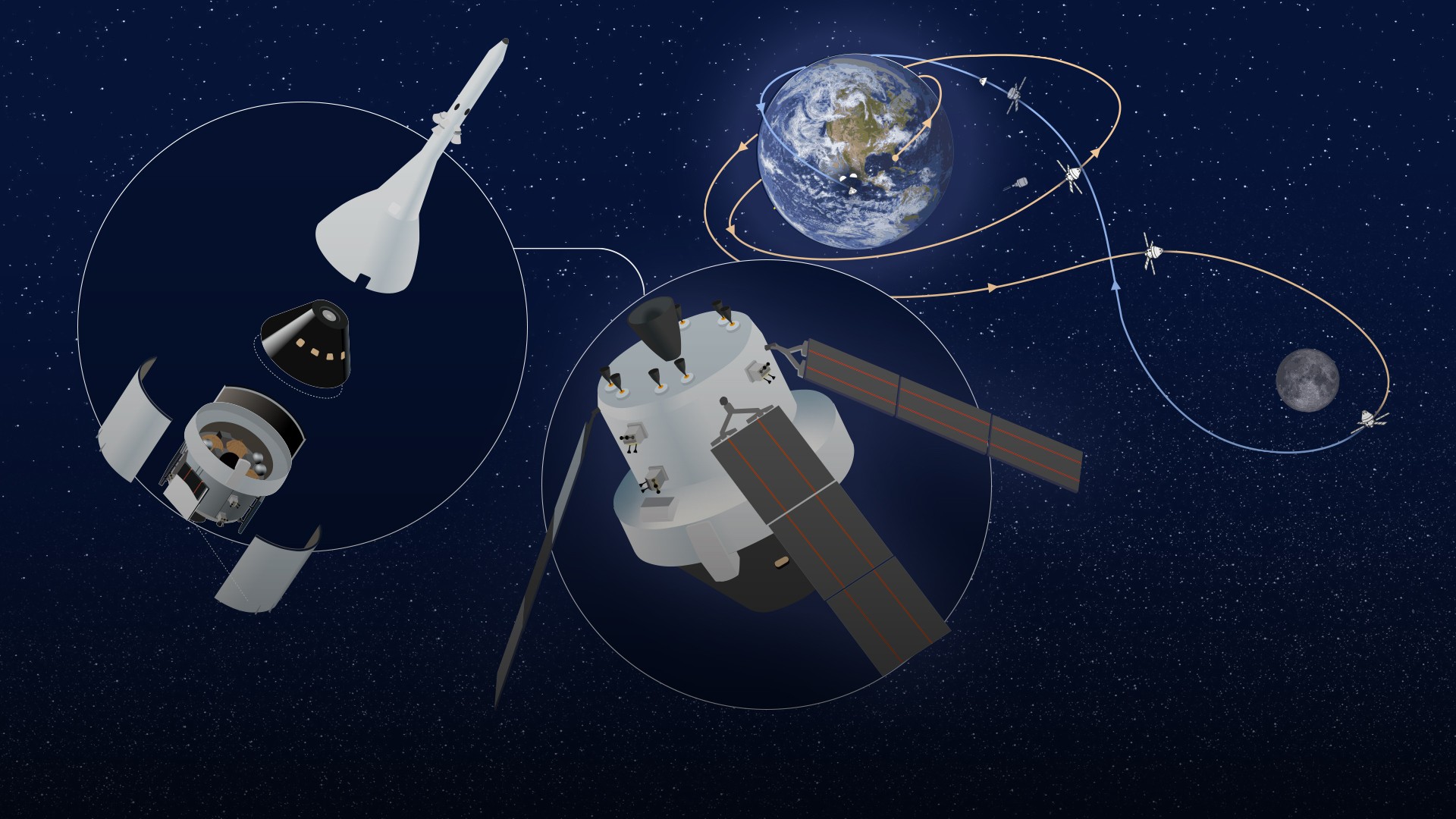
The Artemis II mission experienced a communications blackout on its return journey to Earth, lasting approximately 40 minutes as the spacecraft passed behind the Moon. During this period, the crew reached a record distance of 252,760 miles from Earth, surpassing the previous record set by Apollo 13 in 1970.
- 01Artemis II crew experienced a 40-minute communications blackout as they passed behind the Moon.
- 02The mission set a new record by reaching 252,760 miles from Earth.
- 03During the blackout, astronauts conducted scientific observations and tracked Apollo landing sites.
- 04NASA is developing a satellite network to maintain communication during future lunar missions.
- 05The crew observed a solar eclipse and analyzed the solar corona during the blackout.
Advertisement
In-Article Ad
The Artemis II mission, which involves astronauts Reid Wiseman, Victor Glover, Christina Koch, and Jeremy Hansen, encountered a 40-minute communications blackout on its return journey to Earth as it passed behind the far side of the Moon. This event marked one of the most isolated moments in human space exploration. During the blackout, the crew reached a record distance of 252,760 miles from Earth, surpassing the previous record set by Apollo 13 in 1970 by approximately 4,105 miles. Despite the communication gap, astronauts continued their planned operations, including scientific observations and tracking historic Apollo landing sites. They also had the unique opportunity to observe a solar eclipse from their vantage point. NASA is working on a satellite network to ensure continuous communication for future missions, enhancing the safety and efficiency of lunar exploration.
Advertisement
In-Article Ad
Advertisement
In-Article Ad
Reader Poll
Do you support increased funding for future lunar missions like Artemis II?
Connecting to poll...
More about NASA
Read the original article
Visit the source for the complete story.