




India Prioritizes Domestic LPG Supply Amid Rising Global Oil Prices
Centre prioritizes domestic LPG supply as oil price surge raises supply risks
 Mint
Mint
Image: Mint
In response to escalating global oil prices and supply risks from West Asia, the Indian government has prioritized domestic liquefied petroleum gas (LPG) consumption by implementing a 25-day lock-in period for cylinder bookings. This decision may impact industrial users while aiming to curb hoarding and ensure availability for households.
- 01India has implemented a 25-day lock-in period for domestic LPG bookings to prioritize household consumption.
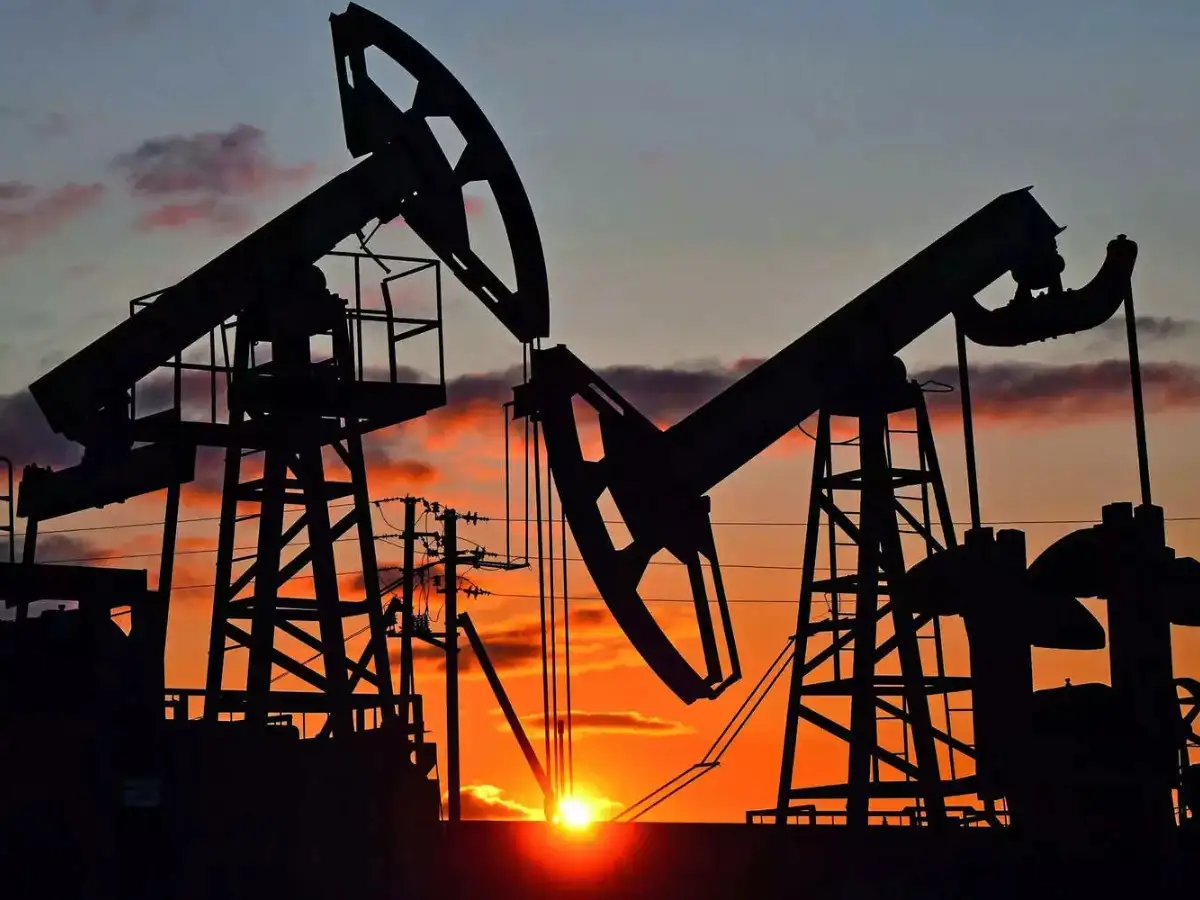
- 02Global Brent crude prices surged over 25%, crossing $100 per barrel for the first time in four years.
- 03The government's measures may lead to supply constraints for industrial users like hotels and ceramics manufacturers.
- 04India is heavily reliant on LPG imports from West Asia, which could tighten due to regional conflicts.
- 05The finance minister indicated that while inflation remains stable, rising energy prices could impact retail inflation if petrol and diesel prices increase.
Advertisement
In-Article Ad
India is tightening access to domestic liquefied petroleum gas (LPG) as global oil prices surge due to escalating conflicts in West Asia. The government has prioritized household LPG consumption by introducing a 25-day lock-in period for cylinder bookings, up from the previous 21 days. This measure aims to prevent hoarding and ensure that domestic consumers have access to cooking gas. However, it may create supply constraints for industrial users, such as hotels and ceramics manufacturers. Brent crude prices recently surged over 25%, reaching $100 per barrel for the first time in four years, prompting the Indian Ministry of Petroleum to direct refiners to maximize LPG production by diverting resources from non-essential products. India, which imports nearly 90% of its oil, is particularly vulnerable to disruptions in West Asian supplies, which account for a significant portion of its LPG imports. The finance minister acknowledged that while inflation is currently stable, rising energy prices could eventually impact retail inflation if fuel prices increase. As the conflict in West Asia escalates, the Indian government remains focused on meeting domestic energy demands.
Advertisement
In-Article Ad
The prioritization of domestic LPG supply may ensure that households have access to cooking gas, but it could lead to higher costs and reduced availability for industrial users, potentially affecting prices in sectors reliant on LPG.
Advertisement
In-Article Ad
More about Ministry of Petroleum
Read the original article
Visit the source for the complete story.